
USIndiaRelations – Richard Verma Flags Emerging Strains in India-US Partnership
USIndiaRelations – The relationship between India and the United States is entering a more challenging period despite decades of growing strategic cooperation, according to former US Ambassador to India Richard Verma. Speaking during the Council on Foreign Relations’ 2026 International Affairs Fellowship keynote event, Verma pointed to rising tariffs, a decline in student visa approvals, and weaker clean energy engagement as signs of mounting pressure between the two countries.
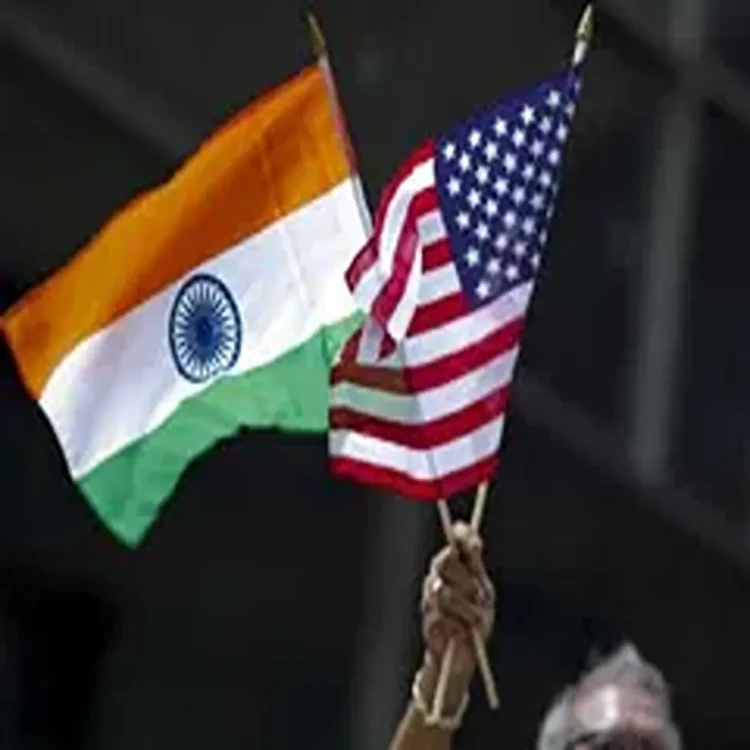
Partnership Built Over Decades Faces New Challenges
Verma said the India-US relationship had transformed significantly over the past 25 years and remained one of Washington’s most important global partnerships. Referring to remarks previously made by former US President Barack Obama, he described India as America’s defining strategic partner for the century.
He noted that bilateral ties strengthened rapidly after former President Bill Clinton’s landmark India visit in 2000. Defence cooperation, trade, technology partnerships, and people-to-people connections expanded steadily during this period.
According to Verma, defence trade between the two nations rose from almost nothing in 2000 to nearly $20 billion in recent years. Bilateral trade also climbed dramatically, crossing the $200 billion mark compared to roughly $20 billion two decades ago.
Student Visa Decline Raises Concerns
Despite these gains, Verma acknowledged that recent policy developments have created uncertainty, especially for Indian students and skilled professionals seeking opportunities in the United States.
He stated that student visa approvals for Indian applicants had seen a major decline, estimating that F-1 visa issuance rates had dropped by nearly 60 to 70 percent. The issue has become a growing concern among students planning higher education abroad and technology workers dependent on US immigration pathways.
Verma warned that several countries, including Australia, Canada, Germany, Japan, and the United Kingdom, are increasingly competing to attract international students. He stressed that these nations recognise the economic and social contributions international students can make to their societies.
Tariffs and Reduced Cooperation Add Pressure
Another issue highlighted by Verma was the rise in tariffs affecting India and Brazil. He questioned the logic behind imposing such high tariff rates, describing the move as difficult to explain from a strategic standpoint.
He also pointed to reduced collaboration in clean energy initiatives, suggesting that cooperation in the sector had either weakened significantly or nearly disappeared. Energy partnerships had previously been considered an important pillar of the broader India-US strategic framework.
The comments come at a time when immigration policies under the Trump administration’s second term have drawn attention from students, businesses, and technology professionals across several countries, including India.
India Expected to Play Larger Global Role
While discussing future geopolitical trends, Verma said India’s global influence is likely to expand rapidly by the end of the decade. He predicted that by 2030, India could have the world’s largest middle class, the highest number of college graduates, and one of the largest internet-connected populations.
He argued that these demographic and economic developments would make India a central force in shaping global economic and political balances in the coming years.
Verma also revisited statements made by earlier American leaders to underline the long-term strategic value of the relationship. He recalled former President Dwight Eisenhower’s view that closer cooperation between India and the United States would contribute to a safer world. He also referenced former President John F. Kennedy’s belief that India would play a decisive role in Asia’s future.
Calls for Reform in Global Institutions
During the discussion, Verma addressed India’s long-standing demand for permanent membership in the United Nations Security Council. He said major global institutions require urgent reforms to reflect current geopolitical realities.
According to him, the Security Council in its current form often struggles to deliver effective outcomes on major international issues. He argued that reforms are necessary to improve both representation and decision-making capacity within global governance structures.
Focus on Technology and Innovation Continues
Even as some areas face difficulties, Verma highlighted growing collaboration in advanced technologies such as artificial intelligence, semiconductor manufacturing, critical minerals, medicine, and space research.
He said partnerships between Indian and American scientists, researchers, and innovators could play an important role in driving future breakthroughs across multiple industries. Verma suggested that continued cooperation in these sectors may help sustain the broader strategic relationship despite current challenges.