
CBSE Results – Digital Evaluation System Triggers Student Concerns Nationwide
CBSE Results – Students from several parts of India have raised serious questions over the accuracy of this year’s Class 12 board examination results after the Central Board of Secondary Education implemented its new digital assessment method.
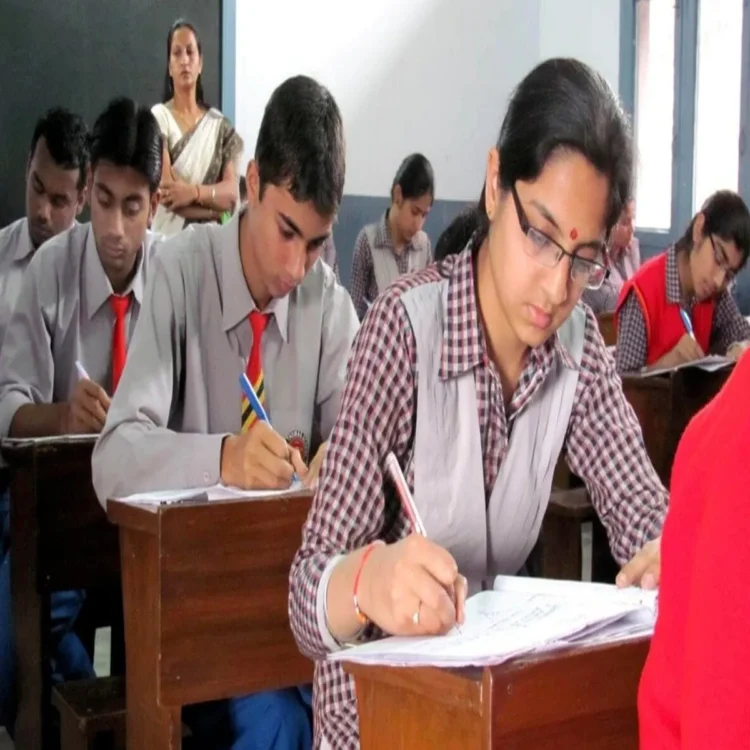
Students Voice Frustration Over Unexpected Scores
A wave of disappointment spread among students soon after the CBSE Class 12 results were announced on Wednesday. Many candidates claimed their marks were significantly lower than anticipated despite months of preparation and consistently strong academic records.
Social media platforms quickly filled with reactions from students sharing scorecards, personal experiences and concerns regarding the evaluation process. Several posts reflected confusion and emotional distress, with students questioning whether the newly introduced marking method affected their final results.
Samriddhi, a student from Army Public School, said she was expecting marks close to 95 percent but received around 80 percent instead. She explained that she had devoted extensive time to preparation and felt the outcome did not accurately represent her performance in the examinations.
Similarly, Sparsh Tanwar, a science student from The Maurya School, stated that his overall score was nearly 10 percent lower than what he and his teachers had predicted. According to him, many students in his academic circle experienced similar results this year.
Introduction of On-Screen Marking System
This examination cycle marked the large-scale introduction of the On-Screen Marking (OSM) system by Central Board of Secondary Education for the evaluation of Class 12 answer sheets. Under this process, answer books were assessed digitally instead of through the traditional manual checking system.
The board stated that nearly 98 lakh answer sheets were evaluated through the digital platform. Officials said the shift was intended to modernize the assessment process, improve consistency and reduce the possibility of human errors during marking.
Education authorities also highlighted that digital evaluation could speed up the overall checking process while maintaining better transparency in assessment standards.
Drop in Pass Percentage Raises Questions
The release of this year’s results also showed a decline in the overall Class 12 pass percentage. According to official figures, the success rate dropped to 85.20 percent compared to 88.39 percent recorded in the previous academic year.
At the same time, reports indicated an increase in the number of compartment cases, adding to concerns among students and parents. Many candidates argued that the decline in scores appeared unusually widespread and called for greater clarity regarding the evaluation method used.
Education experts believe that any major transition in examination systems often requires time for smooth implementation. However, they also emphasized the importance of maintaining confidence among students during such changes.
Allegations of Technical Problems During Evaluation
An examiner associated with the assessment process, who chose not to be identified publicly, alleged that technical difficulties may have impacted the digital marking process. According to the examiner, there were instances where marks entered into the system were reportedly not reflected properly during evaluation.
These claims further intensified discussions online, with students demanding a detailed review mechanism and clearer communication from authorities regarding the functioning of the OSM platform.
CBSE Defends the New Evaluation Method
Responding to the criticism, Central Board of Secondary Education defended the On-Screen Marking system and maintained that the process was introduced to ensure fair and objective evaluation practices. The board stated that digital assessment helps reduce manual inconsistencies and strengthens transparency in result preparation.
Officials also reiterated that the evaluation framework was designed to improve efficiency while maintaining academic standards across examination centres nationwide.
Meanwhile, students and parents continue to seek reassurance regarding the accuracy of the results, with many hoping for further clarification or review opportunities in the coming weeks.