
BRICS – India Pushes Collective Response to Rising Global Economic Risks
BRICS – India urged BRICS nations to work together on practical solutions to tackle the growing impact of global conflicts, economic uncertainty, and disruptions affecting international trade during a major diplomatic gathering in New Delhi on Thursday.
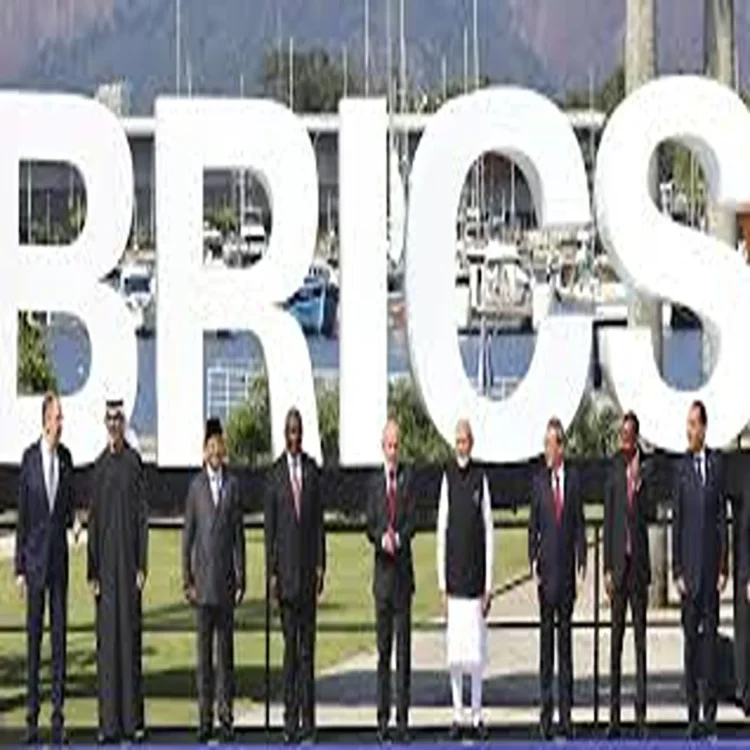
India’s External Affairs Minister S. Jaishankar addressed delegates at the opening session of the two-day BRICS foreign ministers’ meeting, saying the international community is facing a period of rapid geopolitical change and increasing economic pressure. Representatives from countries including Russia, Brazil, and Iran attended the discussions alongside other member nations.
Concerns Over Global Instability
Speaking during the televised inaugural session, Jaishankar said the present international environment is being shaped by prolonged conflicts, economic challenges, climate concerns, and disruptions linked to technology and trade networks. According to him, these developments are creating uncertainty across several regions and affecting both developed and emerging economies.
The minister highlighted that many nations are continuing to struggle with issues tied to energy supplies, food availability, healthcare access, and rising fertiliser costs. He noted that financial limitations are also making recovery more difficult for developing countries already facing economic stress.
The meeting took place against the backdrop of growing international concern over the economic consequences of tensions in West Asia. Recent instability in the region, including the ongoing confrontation involving the United States, Israel, and Iran, has triggered fears over energy supply interruptions and volatility in global markets.
BRICS Expected to Play Larger Role
Jaishankar said emerging economies increasingly expect BRICS to contribute more actively in maintaining stability during periods of global disruption. He stated that the grouping has the capacity to support countries facing development-related pressures and should strengthen cooperation in areas where common challenges exist.
According to the minister, the gathering offered member nations an opportunity to exchange views on current international developments while identifying realistic approaches to improve coordination among BRICS countries. He stressed that stronger cooperation could help nations respond more effectively to crises that extend beyond national borders.
BRICS, which originally included Brazil, Russia, India, China, and South Africa, has expanded its global influence in recent years as member states seek greater representation in international decision-making processes.
Focus on Supply Chains and Markets
During his remarks, Jaishankar also emphasized the importance of building stronger economic resilience. He pointed out that dependable supply chains and diversified markets are essential for protecting economies from sudden disruptions caused by geopolitical tensions or trade restrictions.
He said countries should work collectively to reduce vulnerabilities in critical sectors and ensure smoother movement of goods, resources, and essential commodities. Reliable trade systems, he added, are becoming increasingly important as global markets continue to face uncertainty.
The minister’s comments reflected broader concerns among developing economies regarding inflation, commodity prices, and disruptions affecting international commerce in recent years.
Diplomacy and Security Remain Key Priorities
On global security matters, Jaishankar said dialogue and diplomacy remain central to resolving conflicts and preserving international stability. He noted that recent geopolitical crises have reinforced the importance of sustained diplomatic engagement between nations.
He also underlined the need for stronger international cooperation against terrorism, describing it as a shared priority among countries participating in the BRICS framework.
The two-day meeting in New Delhi is expected to focus on regional security, economic cooperation, development priorities, and strengthening collaboration among member nations at a time when the global economy continues to face multiple challenges.