
Migration Policy – Trump Administration Rejects UN Framework on Global Migration
Migration Policy – The United States has formally rejected a new United Nations migration declaration, with Secretary of State Marco Rubio arguing that large-scale migration policies have weakened social stability and placed growing pressure on American communities.
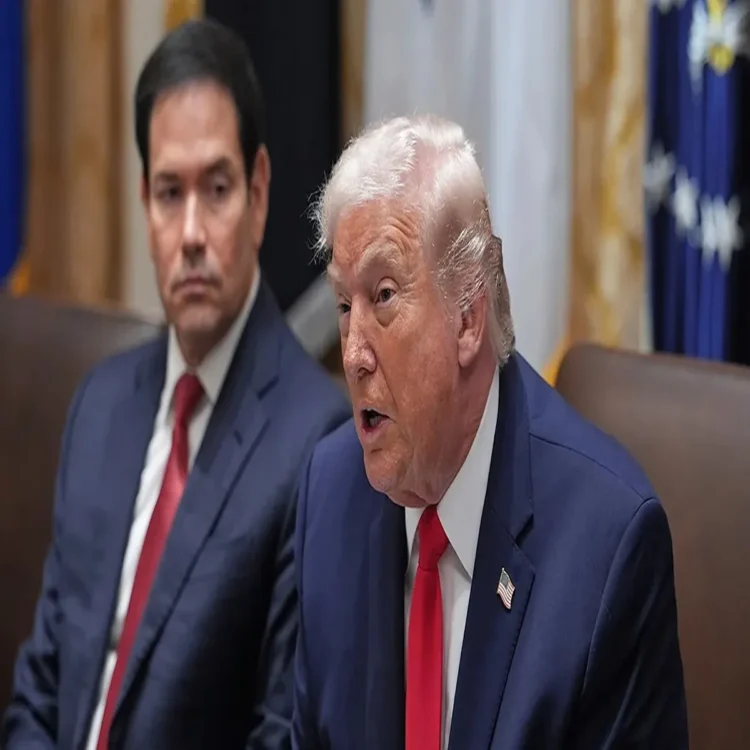
The statement, released by the US State Department on Monday, confirmed that Washington did not participate in the latest International Migration Review Forum and would not endorse the declaration adopted on May 8. The administration maintained that its position reflects long-standing concerns over international migration frameworks promoted by the United Nations.
US Reaffirms Opposition to UN Migration Frameworks
According to the administration, the US government has repeatedly resisted global agreements related to migration management, arguing that such initiatives risk interfering with national immigration decisions. Officials stated that the country remains committed to maintaining full authority over border and migration policies without external influence.
The statement also referenced President Donald Trump’s earlier decision in 2017 to withdraw support from the Global Compact for Migration before its adoption the following year. Administration officials said developments over recent years had strengthened their belief that the decision was necessary.
Marco Rubio described unrestricted migration policies as a serious policy error that could affect national unity and long-term social cohesion. His remarks reflected the administration’s broader focus on tightening immigration enforcement and prioritizing domestic concerns.
Concerns Raised Over Border and Economic Pressure
The administration argued that rising migration levels had contributed to operational and financial challenges inside the United States. Officials cited pressure on housing, public services, and employment opportunities, while also pointing to increased spending connected to migrant support programs.
The statement claimed that American taxpayers had carried a significant financial burden through expenditures linked to temporary accommodation, transportation assistance, and social welfare support for migrants. It further alleged that some international agencies had indirectly encouraged migration flows into the country.
US officials also criticized the UN’s approach to migration management, rejecting descriptions that framed recent migration trends as “safe” or “orderly.” According to the administration, border communities and working-class Americans have experienced the greatest impact from the surge in migration over recent years.
Sovereignty Remains Central to US Position
A major focus of the statement was the issue of national sovereignty. The Trump administration stressed that it would not support international agreements that could potentially shape or limit US immigration policy decisions.
Officials said immigration laws should remain under the control of elected American institutions rather than multinational organizations or global policy bodies. The administration added that its primary responsibility is to protect the interests of US citizens and preserve democratic control over border enforcement.
The statement also introduced a tougher rhetorical stance on migration policy by emphasizing “remigration” rather than long-term migration management strategies. While the administration did not provide detailed policy measures linked to that approach, the language signaled support for stricter immigration controls and expanded enforcement priorities.
Debate Over Global Migration Compact Continues
The International Migration Review Forum is tied to the UN Global Compact for Safe, Orderly and Regular Migration, a non-binding agreement adopted in 2018. The compact was designed to encourage international cooperation on migration challenges, including humanitarian protection, labor mobility, and border coordination.
Although the agreement does not legally bind participating countries, it has faced criticism from several conservative governments that argue global migration frameworks may weaken national control over immigration systems.
Supporters of the compact have maintained that international cooperation is necessary to manage cross-border migration effectively and reduce humanitarian risks. Critics, however, continue to argue that migration policy should remain entirely under the authority of sovereign governments.
The latest US rejection highlights continuing divisions between global institutions and national governments over how migration should be addressed in the coming years.