
TravelNews – Kailash Pilgrimage Costs Rise as Uttarakhand Expands Access
TravelNews – The annual Kailash Mansarovar Yatra will become more expensive for Indian pilgrims this year, even as authorities expand the number of participants and improve travel arrangements across Uttarakhand. Alongside the pilgrimage developments, the state government is also highlighting achievements in sports infrastructure and digital connectivity in remote border regions.
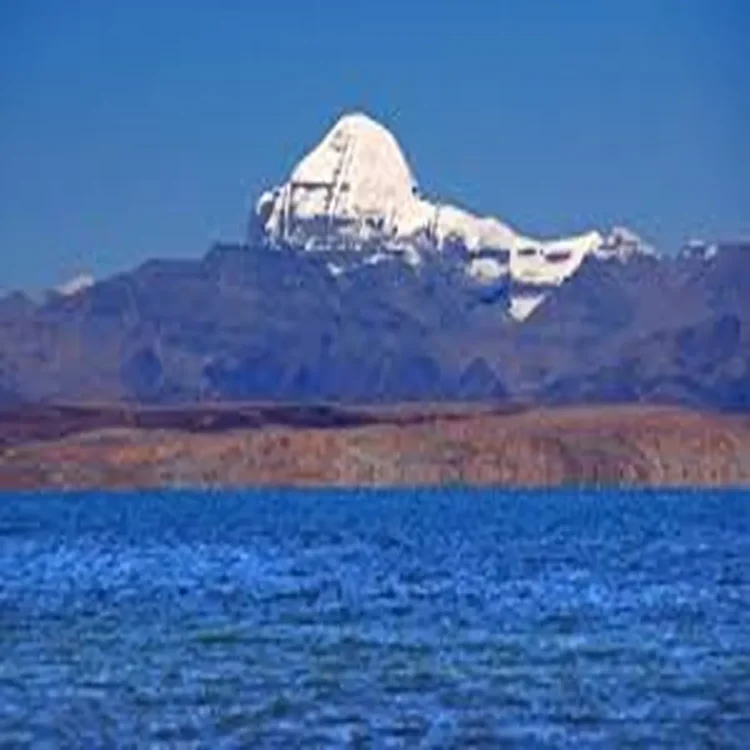
Kailash Mansarovar Yatra Sees Higher Expenses
Pilgrims planning to undertake the Kailash Mansarovar Yatra through the Lipulekh Pass route will need to prepare for increased travel expenses in 2026. Officials have confirmed that the total estimated cost per traveller has climbed to Rs 2.09 lakh, reflecting a rise of nearly Rs 35,000 compared to the previous season.
The increase has largely been linked to fluctuations in international currency exchange rates, particularly the US dollar. In addition, Kumaon Mandal Vikas Nigam (KMVN), which manages accommodation and transport arrangements on the Indian side of the route, has revised its service charges upward from Rs 57,000 to Rs 65,000.
According to KMVN General Manager Vijay Nath Shukla, pilgrims must also separately pay the mandatory fee of 1,400 US dollars required by the Ministry of External Affairs. Despite the higher expenses, authorities believe interest in the pilgrimage will remain strong after the yatra resumed following a long interruption.
At the same time, the administration has expanded the annual pilgrimage capacity to 500 travellers, nearly double the earlier intake, in an effort to accommodate growing demand for the spiritually significant journey to Mount Kailash and Mansarovar Lake.
Dehradun Ice Rink Completes One Year After Major Upgrade
In Dehradun, the Himadri Ice Rink located at Maharana Pratap Sports College has marked one year since its large-scale modernization project was completed. The facility, considered India’s only international-standard ice sports arena, has witnessed renewed activity after undergoing redevelopment worth Rs 8.5 crore.
Chief Minister Pushkar Singh Dhami attended the anniversary event and described the rink as an important sporting asset for Uttarakhand. The upgraded complex now operates with support from a one-megawatt solar power plant, helping reduce energy consumption while maintaining international standards for ice sports competitions.
Over the past year, the arena has hosted several national-level skating events and regional tournaments, drawing athletes from across the country. The state government is also working to strengthen Uttarakhand’s position in competitive sports after its strong performance at the 38th National Games, where the state secured 103 medals.
Officials have announced plans to establish 23 additional sports academies in different districts to encourage professional training and identify emerging talent in multiple disciplines.
Remote Niti Valley Receives 4G Mobile Connectivity
A major digital infrastructure milestone has been achieved in Uttarakhand’s Chamoli district, where villages in the remote Niti Valley have now received high-speed 4G mobile services for the first time.
The valley, located close to the India-China border, has remained isolated from reliable communication networks for decades because of difficult terrain and limited infrastructure. Under the Central government’s Vibrant Village programme, Bharat Sanchar Nigam Limited (BSNL) successfully completed network expansion work in the region.
Following trial operations conducted on April 27, new mobile towers have become operational in the villages of Niti, Kunglung, and Bamlas. Residents are expected to benefit from improved access to digital services, online education platforms, emergency healthcare support, and communication facilities.
Local authorities believe the connectivity project will also strengthen administrative coordination and improve the quality of life for people living in one of Uttarakhand’s most strategically important border regions. The development is being viewed as a significant step toward reducing the digital gap between remote Himalayan settlements and urban centres.