
Leadership – Uddhav Steps Back as Aditya Emerges Stronger in Party
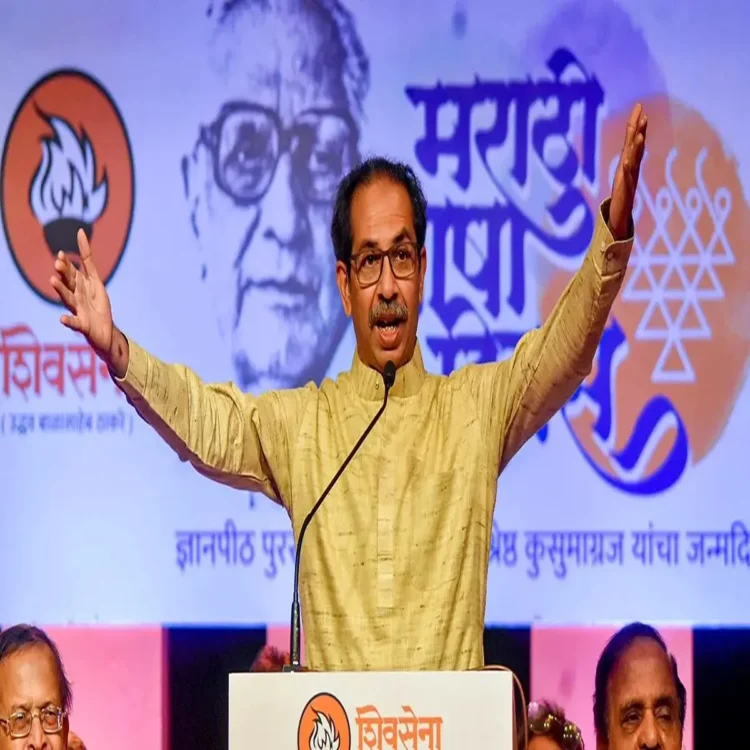
Leadership – Uddhav Thackeray’s decision to stay out of the upcoming legislative council election has triggered fresh discussions within political circles, with many viewing it as a calculated move to pave the way for the next generation of leadership in Shiv Sena (UBT). According to party insiders, this development reflects a gradual transfer of responsibility toward Aditya Thackeray, signaling a potential shift in the party’s future direction.
A Strategic Move in Party Leadership
When Uddhav Thackeray assumed the role of Maharashtra chief minister in 2019, he entered the legislative council while his son Aditya secured a seat in the legislative assembly. This ensured the party had representation in both Houses. Aditya continues to represent the Worli constituency, maintaining his position as an active legislator.
The current decision to avoid contesting the council election is being interpreted as more than a personal choice. Observers suggest it reflects a broader strategy aimed at nurturing new leadership and preparing the party for future political challenges.
Aditya Thackeray’s Growing Influence
The Shiv Sena (UBT) has nominated Ambadas Danave for the legislative council election, a move that has further strengthened Aditya Thackeray’s standing within the party. With limited opportunities available for the alliance to secure seats, this nomination is seen as a deliberate effort to elevate state-level leadership while simultaneously reinforcing Aditya’s influence.
Political analysts note that Aditya’s role in internal decision-making has increased noticeably over time. While this shift has not been entirely welcomed by some senior leaders, it highlights a generational change that the party leadership appears willing to embrace.
Internal Dynamics and Key Decisions
Recent decisions within the party reflect this evolving power structure. For instance, differences reportedly surfaced over candidate selections for parliamentary representation. Aditya is believed to have supported the continuation of existing leadership in certain roles, while other announcements were made independently by senior figures.
The decision to back Ambadas Danave instead of pushing for other prominent leaders has also been viewed as a signal that the party is focusing more on strengthening its grassroots base. This approach may influence future electoral strategies and candidate selections.
Preparing for Future Elections
Sources indicate that Aditya Thackeray is actively working on building a team of younger leaders across Maharashtra. This effort is expected to reshape the party’s organizational framework ahead of upcoming Lok Sabha and state assembly elections.
Observers believe that these changes are part of a long-term plan to consolidate leadership and ensure continuity. By bringing in new faces and ideas, the party may attempt to appeal to a broader section of voters while maintaining its traditional support base.
Wider Impact on Maharashtra Politics
The developments within Shiv Sena (UBT) come at a time when the political landscape in Maharashtra is undergoing significant changes, particularly within the INDIA bloc. Recent statements from leaders in allied parties suggest shifting equations that could influence future alliances and electoral outcomes.
For instance, remarks from senior leaders in the Nationalist Congress Party (SP) about electoral contests within family circles have drawn attention to evolving relationships within political groups. Such developments may have implications for alliance strategies and seat-sharing arrangements in the future.
Changing Equations in Alliances
The emerging cooperation between key political families and the restructuring within Shiv Sena (UBT) indicate that Maharashtra politics is entering a phase of transition. These shifts could redefine alliances, leadership roles, and campaign strategies ahead of major elections.
While it remains to be seen how these changes will play out, the current developments suggest that political parties are actively preparing for a competitive electoral environment. The focus on leadership renewal and strategic positioning may become a defining factor in the state’s political narrative in the coming years.