
Population – Andhra Pradesh Reviews Policy Shift Toward Family Growth Strategy
Population – Andhra Pradesh has begun rethinking its approach to population trends, with the State Cabinet holding detailed discussions on encouraging balanced population growth and strengthening long-term demographic stability.
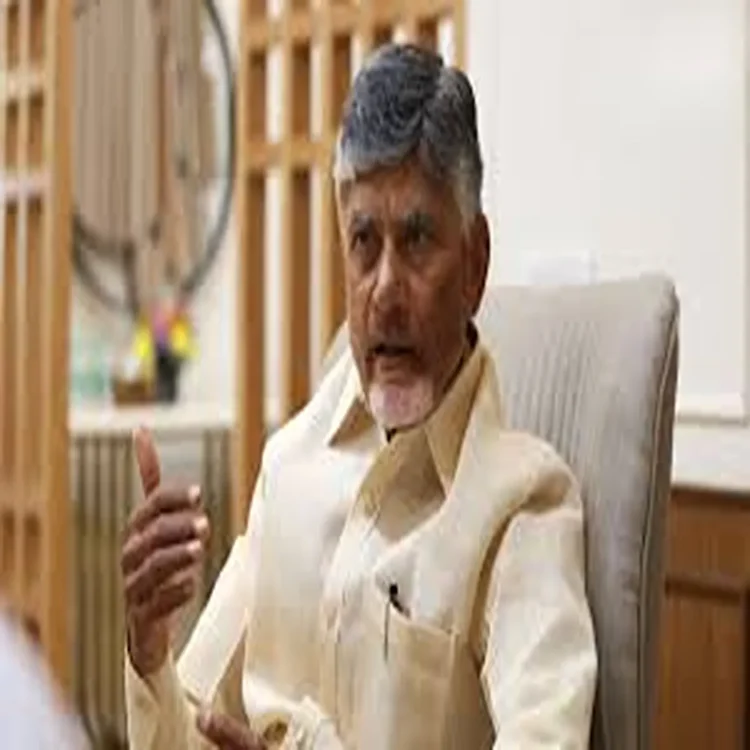
The meeting, led by Chief Minister N. Chandrababu Naidu, placed strong emphasis on viewing children as valuable contributors to the State’s future under a framework that promotes family well-being and growth. The discussion reflects a broader policy shift from traditional population control measures to a more supportive and sustainability-focused approach.
Concerns Over Declining Fertility Rates
Officials highlighted that Andhra Pradesh is currently experiencing a steady decline in its Total Fertility Rate, which has fallen to 1.5—well below the replacement level of 2.1. This trend raises concerns about the State’s future workforce and economic productivity.
At the same time, projections indicate a sharp increase in the elderly population. The proportion of older residents is expected to rise significantly, from 17.6 percent at present to nearly 28 percent by 2047. This shift could place additional pressure on healthcare systems and social support structures.
Risk of Demographic Imbalance
Data presented during the meeting pointed to a gradual reduction in the working-age population. Currently accounting for nearly 63 percent of the population, this segment is expected to decline to around 57 percent in the coming decades.
Such changes may result in the State moving away from the benefits of a demographic dividend toward a scenario often described as demographic strain. District-level data also shows variation in fertility rates, with some regions already approaching replacement levels while others remain significantly lower.
Policy Direction and Strategic Framework
The Cabinet discussions built upon earlier reviews, where the Chief Minister had expressed concerns about the State potentially facing challenges similar to ageing economies in parts of East Asia. In response, officials have been asked to design policies that support family growth while maintaining overall social and economic balance.
A structured framework has now been introduced, focusing on a life-cycle approach to population management. This model aims to address key aspects of health, social welfare, and workforce readiness through multiple coordinated initiatives.
Five-Pillar Model for Population Management
The proposed framework is based on five major pillars. The first focuses on maternal and reproductive health, ensuring safe pregnancies, access to fertility care, and awareness among young individuals.
The second pillar aims to strengthen digital healthcare systems through a unified platform that supports teleconsultation and maintains digital health records for citizens.
The third pillar emphasizes women’s empowerment, including measures to increase participation in the workforce and promote shared parenting responsibilities.
Another component addresses elderly care, viewing ageing as an opportunity by promoting active engagement and improving healthcare support for senior citizens.
The final pillar concentrates on skill development, preparing individuals for emerging sectors, including the care economy, and linking employment opportunities with family welfare programs.
Monitoring and Local Participation
A key feature of the policy is the introduction of a Population Management Index, designed to track demographic indicators and overall well-being in real time. Based on performance, regions will be categorized to help authorities prioritize interventions.
Local governance will also play a central role. Monthly community meetings are expected to review demographic data, identify challenges such as migration or declining fertility, and develop tailored solutions with the involvement of grassroots workers and local representatives.
Proposed Incentives to Support Families
The Cabinet also reviewed a set of proposed incentives aimed at encouraging families to have more children. These include financial assistance for childbirth, additional housing support for larger families, and expanded benefits under existing welfare schemes.
Nutritional support and access to essential resources are also part of the proposal, ensuring that families receive adequate assistance as they grow. Importantly, educational benefits for children will continue regardless of family size.
Implementation and Governance Structure
To oversee the execution of these initiatives, the State plans to establish a dedicated mission on population management, supported by a high-level committee and a specialized task force. This structure is intended to ensure coordination across departments and effective implementation of policies.
The initial financial allocation for the program has been estimated at nearly Rs 1,000 crore for the first year, reflecting the government’s commitment to addressing demographic challenges proactively.