
Geopolitics – Trump Defends Military Strike on Iran Amid Market Concerns
Geopolitics – Former US President Donald Trump has said that the decision to carry out military action against Iran was taken despite concerns about potential economic disruption, stressing that stopping Tehran from developing nuclear weapons was a priority that outweighed risks to global markets.
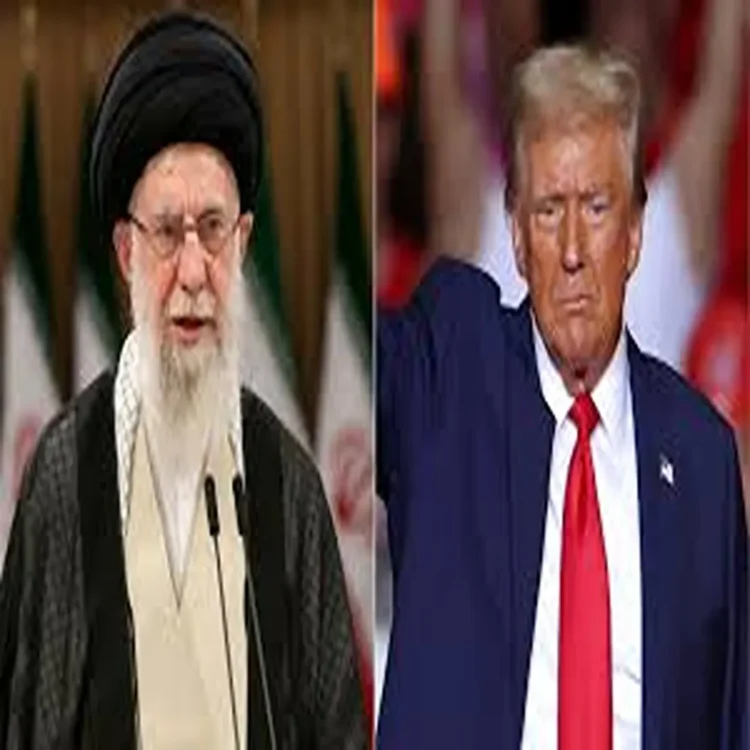
Speaking at a public event in Florida attended by senior citizens, Trump acknowledged that he had anticipated a strong negative reaction from financial markets ahead of the operation. He noted that his expectation was for a significant fall in stock values and a sharp rise in oil prices following the strike. However, he expressed surprise that the immediate economic impact had been less severe than predicted.
Concerns Over Economic Fallout
Trump said he had cautioned his advisors about possible financial instability before approving the military move. According to him, there were fears that investor confidence could weaken rapidly and energy prices could spike due to geopolitical uncertainty. Despite these concerns, he maintained that the risks were necessary given the broader security implications.
He pointed out that while markets have historically reacted sharply to such developments, recent trends have shown resilience. Trump highlighted that oil prices did not surge as dramatically as expected and suggested that global supply dynamics may have helped stabilize the situation in the short term.
Military Operation and Strategic Objectives
During his remarks, Trump stated that advanced US military assets, including B-2 bombers, were deployed in the operation. He claimed that the strike significantly weakened Iran’s military infrastructure, asserting that its naval and air capabilities had been heavily reduced.
He argued that failing to act could have allowed Iran to move closer to acquiring nuclear weapons, which he described as a major threat not only to the Middle East but also to global security. According to Trump, such a scenario could have led to widespread instability affecting multiple regions.
Regional Impact and Security Concerns
Trump suggested that the consequences of inaction could have been severe, particularly for countries in West Asia. He warned that escalating tensions could have resulted in large-scale conflict, potentially impacting key allies and disrupting regional stability.
He also emphasized that the situation remains fluid, noting that ongoing operations make it difficult to draw final conclusions at this stage. He indicated a preference for withholding detailed commentary until all aspects of the mission are completed.
Oil Supply and Strait of Hormuz Significance
A key element in Trump’s remarks was the importance of the Strait of Hormuz, a crucial passage for global oil shipments. He highlighted that a significant portion of the world’s oil supply moves through this narrow route, making it a sensitive point in any conflict involving Iran.
Trump suggested that once supply flows normalize, fuel prices could decline further. However, analysts continue to monitor the region closely, as any disruption in this corridor can quickly influence global energy markets, including those of major import-dependent countries.
Economic Strength and Policy Approach
Trump linked the military decision to what he described as strong domestic economic performance during his tenure. He stated that a stable and growing economy provided the foundation for taking decisive security actions when necessary.
He framed the move as part of a broader strategy that combines economic resilience with assertive foreign policy measures. According to him, maintaining both economic strength and national security is essential in addressing global threats.
Remarks on International Support
The former president also commented on the role of international alliances, saying that the United States did not receive support from NATO in this instance. Despite this, he emphasized that the operation was carried out independently and did not rely on external assistance.
Ongoing Tensions and Global Implications
The situation underscores the continuing volatility in relations between the United States and Iran, particularly over Tehran’s nuclear ambitions. The Strait of Hormuz remains a focal point in these tensions, given its strategic importance to global energy supply.
Experts note that developments in the region can have far-reaching consequences, affecting oil prices, trade flows, and geopolitical stability. Countries with high energy import needs, including India, are particularly sensitive to such shifts.
The latest developments highlight the delicate balance between military action and economic stability, with global markets closely watching how the situation evolves in the coming weeks.