
WaterConservation – Awareness Drive Launched to Strengthen Rural Water Systems
WaterConservation – District officials on Sunday conducted a detailed awareness and training session at the Collectorate’s PGRS Hall to support the implementation of the state-wide “Jala Dhara–Jala Harati” programme. The initiative is focused on conserving water resources and improving access to both drinking water and irrigation facilities across rural areas.
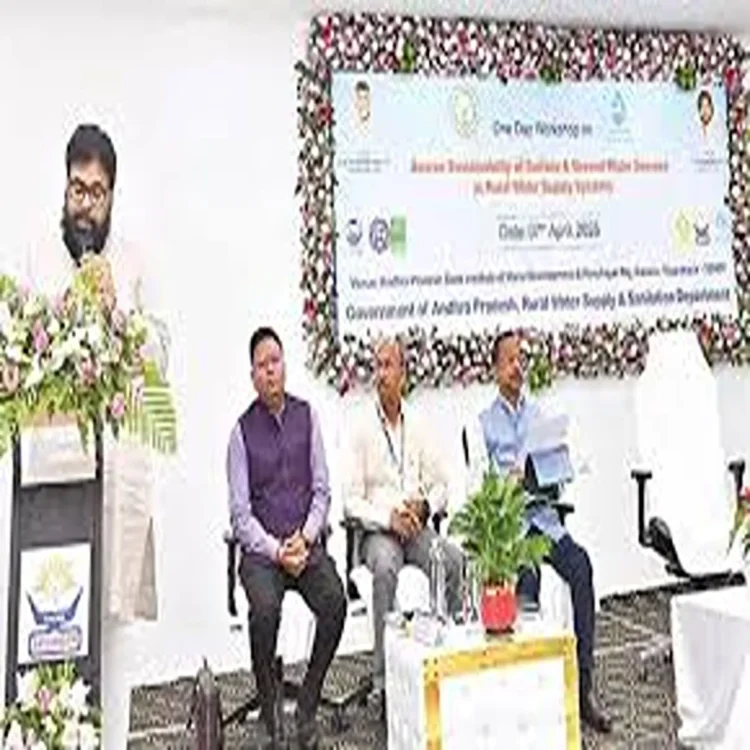
Officials Gather for Capacity Building Session
The programme brought together a wide range of administrative and field-level staff, including Assistant Project Directors, Mandal Parishad Development Officers, Assistant Programme Officers, Engineering Consultants, technical assistants, and other personnel from Prakasam and Markapuram districts. The session aimed to ensure that all stakeholders clearly understand their roles in executing the ambitious plan over the coming months.
Keynote Highlights 100-Day Action Plan
M Siva Prasad, Additional Commissioner from the Panchayat Raj and Rural Development department based in Tadepalli, attended the session as the chief guest. Addressing the participants, he outlined a structured 100-day action plan designed to strengthen water infrastructure at the village level. He emphasized that the initiative is not only about restoring existing resources but also about creating a sustainable system for long-term water security.
According to officials, the plan focuses on reviving traditional water bodies while integrating them into a more efficient network. This includes linking tanks and improving water flow between them to ensure better distribution, especially during periods of low rainfall.
Restoration Targets Set for Two Districts
As part of the programme, authorities have identified a significant number of minor irrigation tanks for restoration. In Markapuram district, 544 tanks have been selected, while Prakasam district will see work carried out on 395 such water bodies. These tanks play a crucial role in supporting agriculture and maintaining groundwater levels in rural regions.
The restoration work will prioritize improving the capacity and functionality of these tanks, many of which have been affected by years of neglect, silt accumulation, and structural damage.
Range of Development Activities Planned
Officials detailed a wide array of activities to be undertaken under the initiative. These include desilting operations to increase water storage capacity, strengthening embankments to prevent breaches, and repairing check dams that regulate water flow. Additionally, feeder channels and surplus weirs will be restored to ensure smooth movement of water between connected tanks.
The plan also includes constructing new water harvesting structures to capture rainwater more effectively. Clearing vegetation and debris from tank areas, repairing sluices, and ensuring proper redistribution of water between interconnected ponds are other critical components of the project.
Emphasis on Long-Term Water Sustainability
Speakers at the session highlighted the importance of community involvement and consistent monitoring to ensure the success of the programme. They noted that improving water systems at the grassroots level would not only benefit agriculture but also contribute to overall rural development.
Prakasam District Water Management Agency Project Director Joseph Kumar and several other officials were also present during the training programme. They reiterated the need for coordinated efforts across departments to meet the targets within the stipulated timeline.
The initiative reflects a broader push by the state government to address water scarcity challenges through structured planning and local-level execution. By combining restoration with modern management practices, authorities aim to build a resilient water network capable of supporting both current and future needs.