
Diplomacy – Oman and Iran Intensify Talks Over Strait Crisis
Diplomacy – Oman has stepped up efforts to ease growing tensions around the Strait of Hormuz, holding detailed discussions with Iran as concerns mount over the security of one of the world’s most vital shipping routes. On Monday, Omani Foreign Minister Badr bin Hamad Al Busaidi met his Iranian counterpart Abbas Araghchi in Muscat, focusing on ways to stabilise the situation and address broader regional risks.
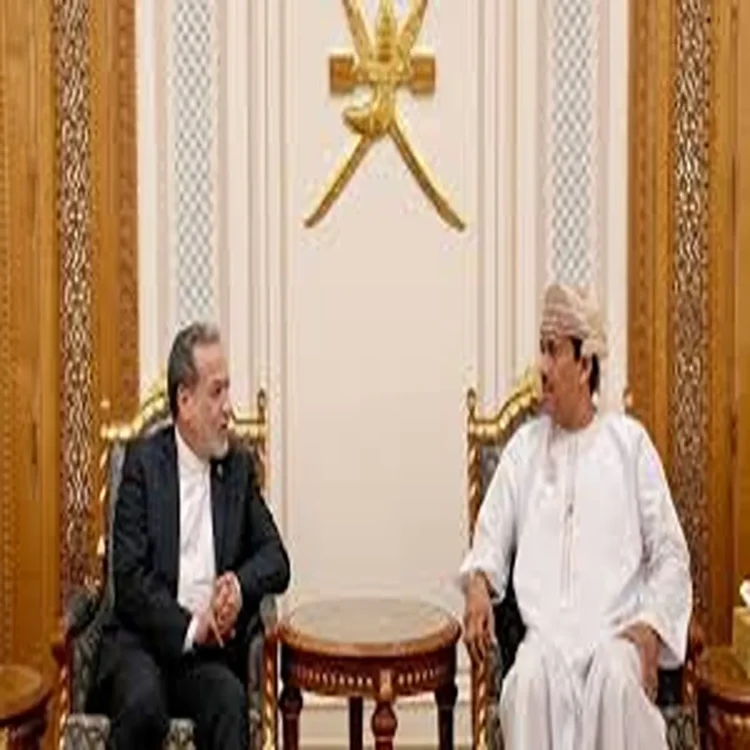
Regional Cooperation Emphasised in Talks
Following the meeting, Al Busaidi highlighted the importance of cooperation among countries bordering the strait. He noted that nations in the region share a collective duty to ensure safe passage for international shipping and to respond to humanitarian concerns, including the release of detained seafarers. His remarks underlined Oman’s continued role as a mediator in sensitive regional disputes.
Iran Proposes New Framework Through Intermediaries
At the same time, diplomatic channels have remained active beyond the Oman talks. Reports indicate that Iran has sent a fresh proposal to the United States through Pakistani intermediaries. The suggested plan prioritises reopening the Strait of Hormuz and easing maritime restrictions, while postponing more complex nuclear negotiations to a later stage.
The proposal reportedly aims to create immediate stability by addressing shipping disruptions and reducing military pressure in the region. However, its reception in Washington remains uncertain.
US Signals Firm Position Amid Diplomatic Pause
The United States has maintained a cautious approach. President Donald Trump recently reiterated that Iran must not develop nuclear weapons and suggested that Tehran should take the initiative if it seeks dialogue. Planned diplomatic engagements also appear to have slowed, with the cancellation of a visit by senior US envoys to Islamabad signalling dissatisfaction with earlier Iranian proposals.
Key Disagreements Continue to Stall Progress
Despite ongoing communication, major differences persist between the two sides. The US continues to demand that Iran halt uranium enrichment for an extended period and move its nuclear materials خارج the country. Iranian officials, however, have indicated that there is no unified stance within their leadership on these conditions.
As a result, Iran’s latest proposal focuses on a phased approach. The initial stage would address the maritime crisis, potentially leading to a ceasefire extension or a longer-term end to hostilities. Nuclear discussions would only begin once shipping routes are fully restored and restrictions on Iranian ports are lifted.
Diplomatic Outreach Expands to Global Partners
Araghchi has been actively engaging in shuttle diplomacy, travelling between regional partners to build support for the proposal. He is also expected to hold discussions in Russia with President Vladimir Putin, reflecting the broader international dimension of the crisis.
Meanwhile, the US administration has shown reluctance to pursue extended in-person negotiations. President Trump recently expressed a preference for remote discussions, stating that lengthy overseas trips for talks may not be necessary under current conditions.
Strategic Importance of the Strait Remains Central
The Strait of Hormuz continues to be at the heart of the dispute. Handling a significant share of the world’s oil shipments, the waterway is critical to global energy markets. Ongoing tensions, including naval blockades and restricted access to ports, have already contributed to price fluctuations and economic uncertainty.
Iran has used its position in the strait as leverage, while also calling for the removal of US naval restrictions as a precondition for meaningful negotiations. Tehran has additionally raised demands related to compensation, legal frameworks governing the waterway, and guarantees against future military action.
Uncertain Path Ahead for Peace Efforts
Although large-scale fighting has subsided following earlier military strikes, a formal agreement to end the conflict remains out of reach. The gap between US and Iranian priorities—ranging from nuclear policy to regional influence—continues to complicate diplomatic progress.
With mediation efforts intensifying and new proposals under consideration, the coming weeks may prove critical in determining whether the current diplomatic push can lead to a lasting resolution or if tensions will persist.