
Diplomacy – Iran and US Move Toward Fresh Talks Amid Fragile Ceasefire
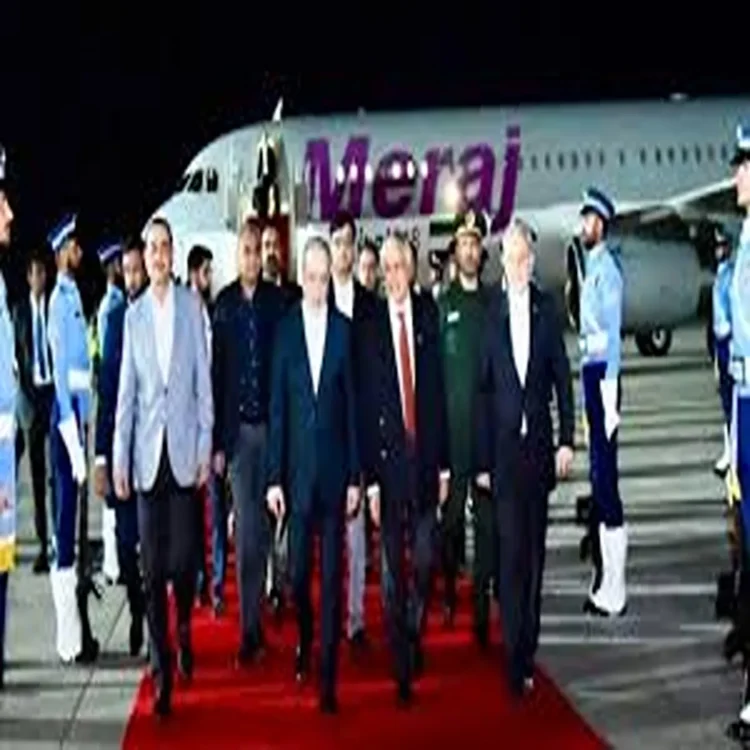
Diplomacy – Iran’s foreign minister arrived in Islamabad on Friday as diplomatic activity intensified around a possible revival of negotiations between Tehran and Washington. The visit coincides with the planned arrival of senior US representatives in Pakistan, signaling renewed attempts to ease tensions despite uncertainty over direct engagement.
Unclear Path for Direct Engagement
According to statements from Washington, US envoys Steve Witkoff and Jared Kushner are expected to hold face-to-face discussions with Iranian representatives in Islamabad. However, Iranian state media indicated that such direct meetings may not take place. Instead, Pakistan could serve as an intermediary, relaying proposals between the two sides.
Iran’s foreign minister is scheduled to hold discussions with Pakistani officials focused on regional stability. Officials in Islamabad have not explicitly confirmed whether US-Iran talks will occur on the sidelines of these meetings, leaving the format of engagement uncertain.
Ceasefire Extension Overshadowed by Continued Violence
The diplomatic push comes shortly after US President Donald Trump announced an extension of a ceasefire in Lebanon. Despite this development, violence persisted. Israeli airstrikes in southern Lebanon reportedly resulted in civilian casualties on Friday, underscoring the fragile nature of the truce.
While Washington has expressed optimism about achieving a lasting agreement in Lebanon, broader efforts to resolve tensions across the Middle East remain complex. The situation is further complicated by ongoing hostilities and competing political interests among regional players.
Strategic Importance of the Strait of Hormuz
A key issue influencing negotiations is the disruption in the Strait of Hormuz, a critical route for global oil and liquefied natural gas shipments. Iran has restricted maritime movement through the passage, allowing only limited traffic, which has unsettled global energy markets.
European leaders have emphasized the urgency of reopening the strait without restrictions. The European Council has described uninterrupted access as essential for maintaining global economic stability. Recent optimism surrounding potential talks contributed to a slight easing of oil prices, reflecting market hopes for de-escalation.
Diplomatic Efforts Face Stalemate
Previous rounds of negotiations failed to produce an agreement, largely due to disagreements over sanctions and military actions. Iran has maintained that it will not return to formal discussions while a US naval presence continues to restrict its ports.
Iranian officials have indicated that diplomatic outreach will extend beyond Pakistan, with planned visits to Oman and Russia. These efforts are part of a broader strategy to gather support and explore alternative pathways to resolve the ongoing conflict.
Military Presence Continues to Rise
Even as diplomatic channels reopen, military activity in the region has not slowed. The United States has reinforced its presence in the Middle East, deploying additional naval assets, including a third aircraft carrier. This buildup reflects ongoing concerns about regional security and the potential for escalation.
Political Divisions Within Lebanon
Within Lebanon, internal divisions complicate prospects for peace. Some political leaders have expressed reservations about direct talks with Israel, arguing that such negotiations may not reflect national consensus. Meanwhile, Israeli leadership has reiterated its intention to counter groups it considers threats, further straining the possibility of immediate resolution.
Human Impact of Ongoing Conflict
Beyond diplomatic and military developments, the human toll remains significant. In southern Lebanon, residents continue to deal with the aftermath of recent strikes. Families are returning to damaged homes, searching through debris for personal belongings and signs of normalcy.
For many, the ceasefire has brought little immediate relief. The emotional and physical impact of the conflict continues to shape daily life, highlighting the urgency of achieving a durable peace.
As international actors push for renewed dialogue, the coming days in Islamabad could prove critical. Whether indirect communication or direct engagement takes place, the outcome may influence the next phase of efforts to stabilize the region.