
Sanctions – US Targets Chinese Refinery and Tankers Over Iran Oil Trade
Sanctions – The United States has announced a fresh round of economic sanctions aimed at disrupting Iran’s oil exports, targeting a major China-based refinery along with dozens of shipping firms and oil tankers. The move reflects a broader effort by the administration of President Donald Trump to tighten financial pressure on Tehran by cutting off its primary source of income.
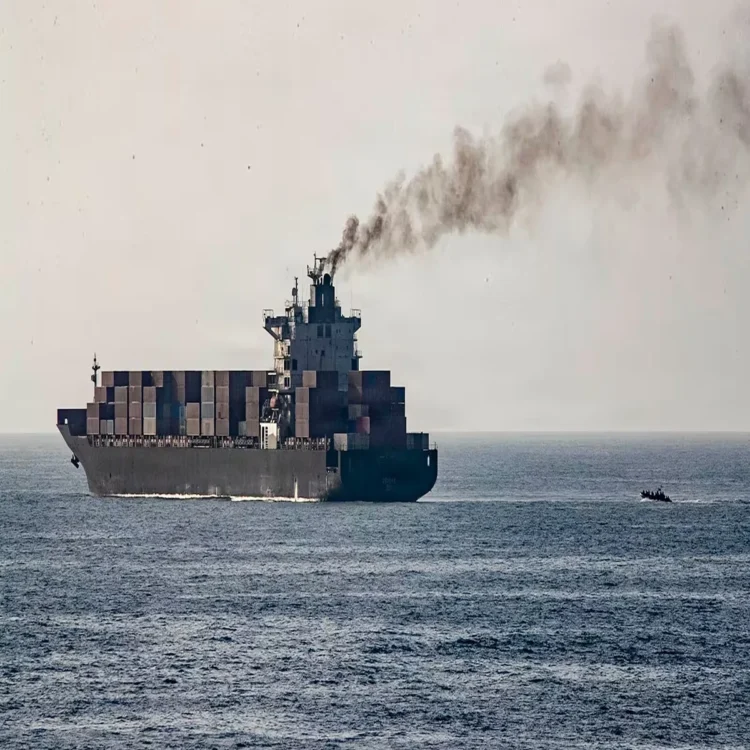
New Measures Focus on Oil Supply Network
The sanctions, unveiled on Friday, are designed to isolate entities involved in transporting and processing Iranian crude oil. Around 40 shipping companies and vessels have been named, alongside a large refinery located in Dalian, China. This facility is capable of processing nearly 400,000 barrels of crude oil daily, placing it among the country’s largest independent refining operations.
According to the U.S. Treasury Department, the refinery has been receiving Iranian oil shipments since 2023. Officials claim that these transactions have generated substantial revenue, some of which is believed to support Iran’s military activities.
Strategy to Enforce Secondary Sanctions
The latest action signals a stricter approach toward secondary sanctions, which penalize not only Iran but also third-party businesses and countries that engage with it. U.S. authorities have warned financial institutions and companies worldwide that continuing such dealings could result in restricted access to the American financial system.
Treasury Secretary Scott Bessent stated that the government intends to further limit the network of intermediaries, vessels, and buyers that facilitate Iran’s oil exports. He emphasized that any country or institution holding Iranian funds or purchasing its oil could face serious consequences.
Rising Pressure Ahead of Diplomatic Engagement
The sanctions come at a sensitive time, just weeks before a planned meeting between U.S. President Donald Trump and Chinese President Xi Jinping. While diplomatic discussions are expected to cover a range of issues, trade and energy policies are likely to be central topics.
China remains the largest importer of Iranian oil, historically accounting for up to 90 percent of Iran’s exports before recent geopolitical tensions escalated. Much of this oil is transported through a network often described as a “shadow fleet,” where shipments are rerouted or relabeled to obscure their origin.
Global Energy Market Faces Disruption
These developments are unfolding against a backdrop of instability in global energy markets. Conflict in the Persian Gulf region has already disrupted the flow of oil and natural gas, pushing prices higher and raising concerns about supply shortages.
In response to rising prices, U.S. authorities have issued temporary waivers on certain oil transactions, including limited allowances for Russian oil and previously shipped Iranian crude. These steps aim to balance market stability while maintaining pressure on Iran.
China’s Response and Ongoing Tensions
China has previously criticized U.S. sanctions, arguing that they interfere with international trade norms and harm legitimate business interests. Despite this, many Chinese companies and banks have historically complied with U.S. restrictions due to their reliance on the global financial system.
Following earlier sanctions, a spokesperson from China’s embassy in Washington stated that such actions disrupt normal economic exchanges and undermine established trade practices. The latest measures are expected to further strain relations between the two countries.
Broader Implications for Iran
Iran has consistently called for the removal of sanctions as a key condition for easing regional tensions. However, the renewed U.S. measures suggest that economic pressure will remain a central element of Washington’s strategy.
As enforcement tightens, analysts expect continued challenges for Iran’s oil sector, along with potential ripple effects across global energy markets. The situation remains fluid, with diplomatic, economic, and geopolitical factors all playing a role in shaping the outcome.