
Agriculture – Government Fixes Bt Cotton Seed Price for 2026–27 Season
Agriculture – The central government has set a ceiling on Bt cotton seed prices for the upcoming 2026–27 sowing season, aiming to keep inputs affordable while ensuring sustainable crop management.
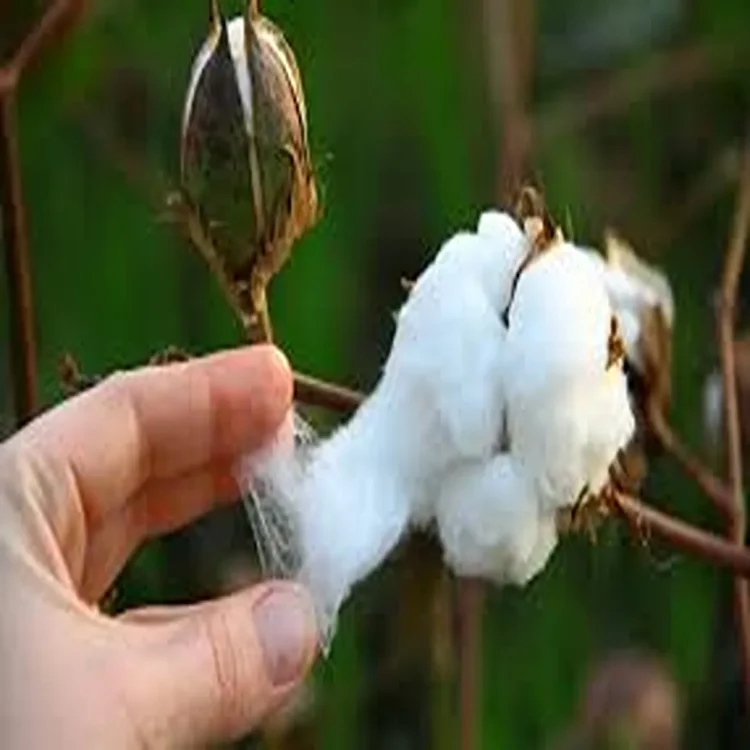
The Union government has introduced a regulated maximum selling price for Bt cotton seed packets ahead of the next planting cycle. The decision follows recommendations made by a panel of agricultural experts and is intended to maintain balance between farmer affordability and industry standards.
Price Control Measures Introduced
Authorities have enforced this pricing decision by using provisions under the Essential Commodities Act, 1955, along with the Cotton Seeds Price (Control) Order, 2015. These legal tools allow the government to intervene when necessary to prevent excessive pricing of essential agricultural inputs.
The price cap applies specifically to standard seed packets weighing 475 grams. Officials say the move is designed to prevent unreasonable cost increases and to provide clarity to farmers before the sowing season begins. By setting a uniform rate, policymakers hope to reduce uncertainty and improve access to quality seeds.
Role of Refugia in Crop Protection
Each approved Bt cotton seed packet will continue to include a small proportion—typically between 5 and 10 percent—of non-Bt seeds, commonly referred to as refugia. This component plays a crucial role in slowing down the development of pest resistance, particularly among bollworms that affect cotton crops.
Agricultural scientists have long recommended refugia as a practical strategy to extend the effectiveness of genetically modified crops. By mixing non-Bt seeds, the likelihood of pests adapting to Bt traits is reduced, thereby preserving crop productivity over time.
Balancing Technology and Accessibility
Officials maintain that the pricing regulation, combined with the continued use of refugia, reflects a broader effort to balance technological advancement with farmer welfare. Bt cotton remains widely used across India due to its ability to protect crops from certain pests, but its cost has often been a matter of concern for cultivators.
Through this policy, the government aims to ensure that biotechnology remains accessible without compromising oversight. The initiative is also expected to bring more transparency to the seed market, which includes both public and private sector players.
Farmer Leader Raises Concerns Over Seed Costs
In a related development, farmer leader Vijay Jawandhia from Maharashtra has written to Prime Minister Narendra Modi, calling for further intervention in the cotton seed sector. He has urged the government to lower seed prices and to actively promote traditional cotton varieties.
Jawandhia, associated with the Shetkari Sanghtana, highlighted that indigenous “straight line” cotton varieties allow farmers to save and reuse seeds. In contrast, hybrid and Bt cotton seeds sold by private companies must be purchased anew each season, increasing financial pressure on growers.
Call for Revival of Indigenous Cotton Varieties
In his communication, Jawandhia referred to an earlier assurance made by the Prime Minister regarding the promotion of traditional cotton strains. He noted that despite more than a decade passing since that commitment, little progress has been made on that front.
He argued that encouraging straight line varieties could reduce farmers’ dependence on commercial seed suppliers and help lower cultivation costs. This, he said, would provide long-term benefits to small and marginal farmers who often struggle with rising input expenses.
Comparison with International Practices
Jawandhia also pointed to developments in neighboring Pakistan, where private firms reportedly offer advanced three-gene cotton seeds at comparatively lower prices. In contrast, he noted that Indian companies primarily sell two-gene varieties at higher rates.
He has called for policy changes to address this gap and to prevent farmers from falling into cycles of debt. According to him, ensuring affordable and effective seed options is essential for the stability of the cotton farming sector.
Looking Ahead
The government’s decision to regulate Bt cotton seed prices marks a significant step in managing agricultural input costs. However, ongoing discussions around seed technology, pricing, and traditional alternatives suggest that broader reforms may still be under consideration.
As the new sowing season approaches, both policymakers and farmer groups are expected to continue engaging on ways to improve productivity while safeguarding farmer interests.