
WheatProcurement – Government Raises Wheat Purchase Target Amid Weather Concerns
WheatProcurement – The central government has revised its wheat procurement target upward in response to weather-related production challenges affecting key growing regions.
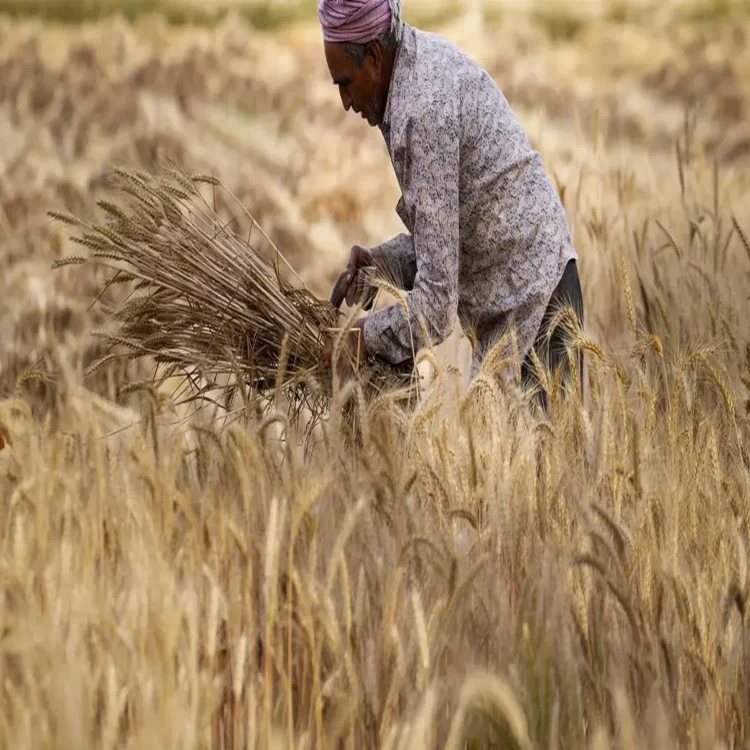
The Centre has increased its wheat procurement goal to 345 lakh metric tonnes (LMT), up from the earlier target of 300 LMT, as concerns grow over crop damage caused by rising temperatures, untimely rainfall, and hailstorms. Officials say the decision was taken after multiple states requested higher procurement limits to support farmers and maintain adequate buffer stocks.
Revised Targets Across Major States
The updated procurement plan includes significant changes in several states. Madhya Pradesh has seen its target rise sharply from 78 LMT to 100 LMT. Uttar Pradesh’s target has also been increased more than double, from 10 LMT to 25 LMT. Bihar’s procurement estimate has been expanded from 0.18 LMT to 1.8 LMT, while Rajasthan’s target has been adjusted upward from 21 LMT to 25 LMT.
Meanwhile, procurement levels in Punjab and Haryana are expected to remain consistent with last year’s figures, reflecting stable output and established procurement systems in these regions.
First Procurement in Delhi After Four Years
In a notable move, authorities have decided to resume wheat procurement operations in Delhi after a gap of four years. Alongside this, the government has relaxed certain grain quality standards, aiming to ensure that farmers affected by adverse weather conditions are not excluded from selling their produce.
Production Estimates Adjusted After Weather Impact
Officials indicated that the current situation mirrors the 2021–22 season, when an early heatwave significantly reduced yields. While the initial production target for the current cycle was set at around 1200 LMT, revised estimates now suggest output may fall between 1150 and 1160 LMT.
Independent assessments have pointed to even steeper losses. A report by a private agency highlighted that unseasonal rains and hailstorms during March and April damaged crops across a large number of wheat-growing districts. According to this estimate, production losses could reach about 50 LMT, bringing total output closer to 1106 LMT.
Procurement Trends Over Recent Years
Despite weather disruptions, procurement volumes have steadily increased in recent years. Officials cited figures showing procurement at 188 LMT in 2021–22, followed by 240 LMT and 260 LMT in subsequent years, eventually reaching 300 LMT last year. This growth has been attributed to improved planning and early preparations for the rabi marketing season.
Technology Measures to Improve Transparency
To strengthen monitoring and reduce irregularities, the government is introducing digital tracking measures in wheat procurement. For the first time, wheat bags will carry QR codes that include details such as cost sheet numbers and subsidy information provided to states.
This initiative is aimed at preventing the recycling of previously procured grain being passed off as fresh stock. A similar pilot project was carried out in 2025 in Andhra Pradesh for paddy tracking, and officials believe extending this system to wheat will improve transparency and accountability in procurement operations.
Focus on Stability and Farmer Support
The revised procurement strategy reflects a broader effort to balance supply concerns with farmer welfare. By increasing procurement targets and easing quality norms, the government aims to ensure that farmers impacted by unpredictable weather still have access to assured markets. At the same time, the move is expected to help maintain adequate food grain reserves for public distribution and price stability.