
Sanctions – US Navy Intercepts Iranian-Linked Vessel Amid Expanding Maritime Blockade
Sanctions – The United States has confirmed a fresh maritime interception as part of its ongoing efforts to enforce sanctions linked to Iran, marking a significant moment in its broader naval operations.
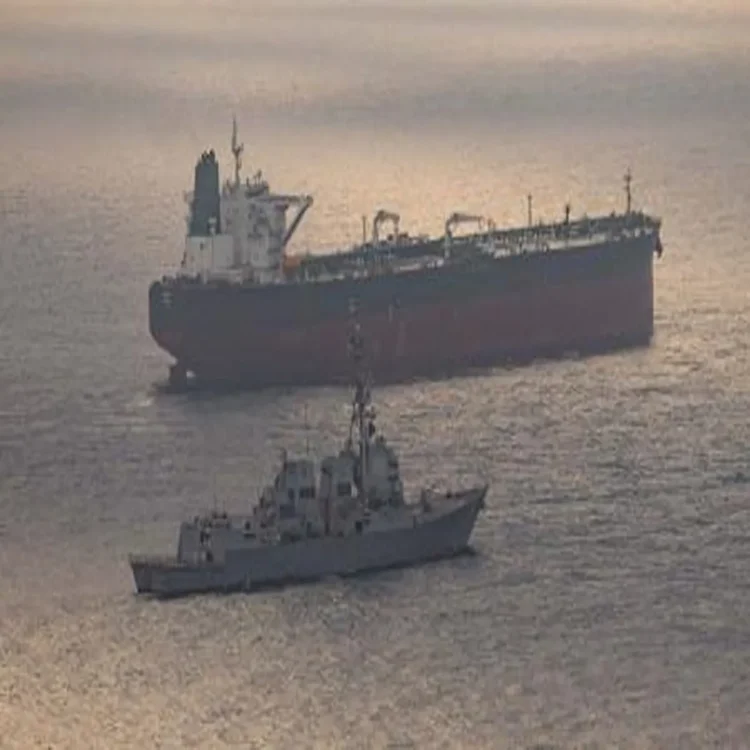
In a recent development, the United States Central Command reported that the guided-missile destroyer USS Rafael Peralta (DDG 115) intercepted a vessel sailing under the Iranian flag on April 24. According to officials, the ship was being tracked as it attempted to reach an Iranian port. The US Navy intervened before the vessel could complete its journey, leading to a boarding operation and further inspection.
Expanded Enforcement Strategy Takes Shape
The interception is part of a wider maritime enforcement campaign outlined by US authorities. Speaking at a Pentagon briefing, Chairman of the Joint Chiefs of Staff General Dan Caine said the United States remains committed to maintaining strict oversight of maritime traffic linked to Iran.
He explained that the blockade applies broadly to commercial vessels moving toward or away from Iranian ports. The policy, implemented under presidential direction, has expanded enforcement measures beyond regional waters to ensure compliance with international sanctions.
Interdiction Operations Show Early Impact
Since the launch of intensified operations on April 8, US forces have engaged multiple vessels suspected of violating sanctions. General Caine noted that dozens of ships have altered their routes after encountering US naval presence, choosing to avoid potential interception.
Among the notable cases was the seizure of the motor vessel Touska. After repeated warnings went unheeded, US Marines carried out a coordinated boarding operation using helicopter deployment techniques. The vessel was secured without reported injuries, and both ship and crew remain under US custody.
Operations Extend to Indo-Pacific Waters
The scope of the campaign is not limited to the Middle East. US forces have expanded their monitoring and interdiction activities into the Indo-Pacific region. On April 20, naval units intercepted the tanker Tiffany, a large crude carrier transporting approximately two million barrels of oil identified as sanctioned cargo.
Just two days later, another vessel known as Majestic X, also referred to as Ponix, was seized in the Indian Ocean. Officials described it as a stateless tanker operating under similar circumstances. Both vessels are currently held under US control, with their crews reported to be safe.
Continuous Monitoring and Preparedness
US military leadership emphasized that surveillance efforts remain ongoing. Authorities are closely tracking vessels linked to Iran, including those that were outside designated blockade zones when enforcement measures were first announced.
General Caine stated that naval forces are positioned to respond quickly to any movement that may violate the blockade. He stressed that enforcement applies universally, regardless of a vessel’s nationality, if it is found to be engaged in restricted trade with Iran.
Historical Context and Ongoing Commitment
During the briefing, General Caine also reflected on past events that have shaped US military operations in the region. He paid tribute to those who lost their lives in the 1983 bombing of the US Embassy in Beirut, describing it as a defining moment in the history of attacks against American personnel.
He acknowledged the continued dedication of service members involved in current operations, highlighting their role in maintaining maritime security and enforcing international measures.
As tensions remain high in strategic waterways, the United States has indicated that it will continue its maritime interdiction efforts, signaling a sustained focus on monitoring and controlling shipping activities connected to sanctioned entities.