
TerrorCase – Owaisi Questions Probe After High Court Relief in Malegaon Blast Case
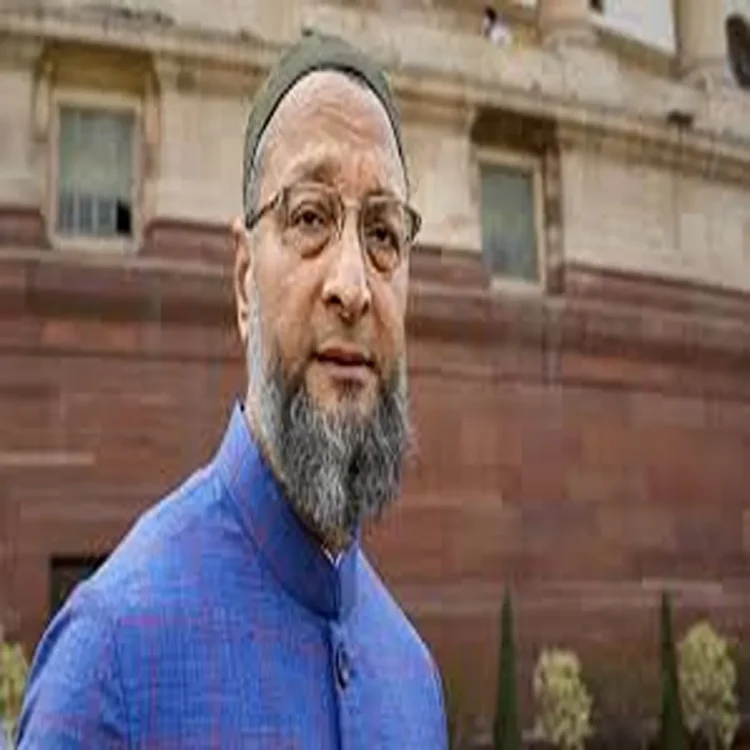
TerrorCase – A fresh political debate has emerged following a recent decision by the Bombay High Court to discharge four individuals accused in the 2006 Malegaon blast case. The ruling has drawn sharp criticism from All India Majlis-e-Ittehadul Muslimeen leader Asaduddin Owaisi, who described it as a setback for justice and raised questions about the quality of the investigation carried out by the National Investigation Agency (NIA).
Concerns Over Investigation and Accountability
Owaisi expressed concern that the probe into the blasts, which claimed 31 lives and left over 300 injured, failed to deliver accountability. According to him, the attack appeared to target members of the Muslim community, making the outcome of the case particularly sensitive. He pointed out that, in the early stages of the investigation, several Muslim individuals were detained but later acquitted, raising doubts about the initial direction of the inquiry.
He also noted that the High Court itself had flagged lapses in the investigation conducted by the NIA, adding weight to concerns about how evidence was handled and presented.
Questions on Legal Next Steps
Another key issue raised was whether the NIA would challenge the High Court’s decision in the Supreme Court. Owaisi indicated skepticism about the likelihood of an appeal, suggesting that victims and their families may be left without closure if the verdict remains uncontested.
He further linked the case to past investigations, claiming that similar patterns had been observed in earlier terror-related cases. Referring to statements made by former prosecutor Rohini Salian, he suggested there had previously been concerns about the handling of prosecutions.
Ongoing Legal Battle in 2008 Blast Case
The controversy comes alongside developments in the 2008 Malegaon blast case, where families of victims have approached the Bombay High Court challenging the acquittal of all accused. The explosion in 2008, which occurred near a mosque in Maharashtra’s Nashik district, resulted in six deaths and over 100 injuries.
Relatives of six victims filed an appeal in September 2025, arguing that the trial court’s judgment overlooked crucial aspects of the case. They have requested the High Court to review and overturn the acquittal, citing weaknesses in the investigation and prosecution.
Allegations of Flawed Investigation
In their petition, the victims’ families argued that the case relied heavily on circumstantial evidence, which they believe was not adequately considered. They also raised concerns about the conduct of the prosecution, alleging that external pressure may have influenced the pace and direction of the case.
The appeal claims that important evidence may have been mishandled or ignored, ultimately weakening the prosecution’s argument in court. Notices have been sought to be issued to all parties involved, including those who were acquitted.
Trial Findings and Court Observations
The 2008 case, which was handed over to the NIA in 2011, saw a lengthy trial lasting nearly 17 years. During this period, more than 300 prosecution witnesses and several defence witnesses were examined. Despite the extensive proceedings, the special NIA court acquitted all accused, citing insufficient evidence to establish their involvement.
The court acknowledged that a blast had taken place but stated that there was no conclusive proof linking the accused to the placement of the explosive device. It also highlighted procedural lapses, including failure to collect forensic evidence such as fingerprints and data from the site.
Additionally, the court observed discrepancies in medical records presented during the trial, noting inconsistencies in the number of injured individuals. Concerns were also raised about possible contamination of samples, which affected the reliability of forensic reports.
Broader Implications
The recent developments in both the 2006 and 2008 Malegaon cases have once again brought attention to the challenges of investigating complex terror incidents. Questions surrounding evidence collection, prosecution strategy, and judicial outcomes continue to shape public discourse.
As legal proceedings continue, the focus remains on whether further appeals will be pursued and whether the concerns raised by victims’ families and political leaders will lead to renewed scrutiny of investigative processes.