
Intelligence – CIA-linked Officials Die After Mexico Drug Lab Operation Crash
Intelligence – A deadly vehicle crash in northern Mexico has drawn renewed attention to the complex and often opaque collaboration between the United States and Mexico in tackling organized crime. Two American officials, now confirmed to have been working with the Central Intelligence Agency, lost their lives alongside two Mexican investigators after their convoy met with an accident while returning from an operation targeting illegal drug production sites.
Conflicting Accounts Raise Questions
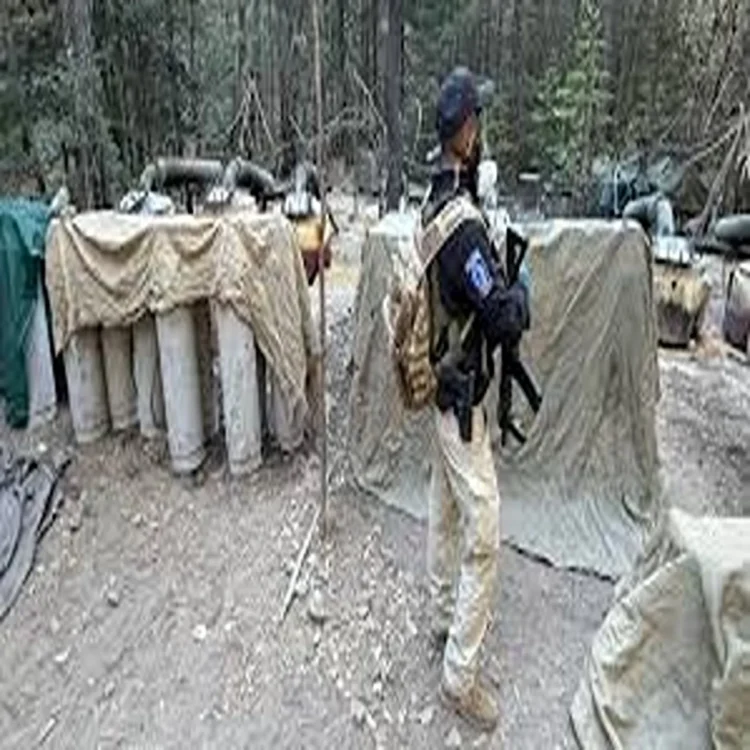
The incident occurred in Mexico’s Chihuahua region following a mission to dismantle a suspected narcotics laboratory operated by criminal groups. However, official statements from both U.S. and Mexican authorities have presented differing versions of events, creating uncertainty about the exact nature of the operation and the roles played by those involved.
While Mexican authorities initially indicated the operation involved coordination with U.S. personnel, later statements appeared to soften or retract that claim. Meanwhile, U.S. officials had first described the deceased Americans as embassy staff, without disclosing their intelligence affiliations.
CIA Role Confirmed by Sources
Subsequent confirmation from individuals familiar with the matter revealed that the two U.S. officials were indeed affiliated with the CIA. This disclosure adds a new layer of sensitivity to the incident, as intelligence operations abroad are typically handled with strict confidentiality.
The U.S. Embassy in Mexico acknowledged that the personnel were supporting local authorities in efforts against cartel activities but refrained from providing further details. Neither the State Department nor the CIA has issued additional comments regarding the specifics of the mission or the individuals involved.
Political Sensitivity Surrounding Cooperation
The situation has placed Mexican President Claudia Sheinbaum in a delicate position. She has publicly stated that she was unaware of any joint operation involving U.S. agencies in Chihuahua, though she later acknowledged that some level of cooperation between local authorities and the United States did exist.
Balancing national sovereignty with international cooperation has long been a challenge for Mexico’s leadership. The presence of foreign intelligence personnel operating within Mexican territory remains a politically sensitive issue, particularly amid growing pressure from Washington to intensify efforts against drug cartels.
Growing U.S. Involvement in Regional Security
The incident comes at a time when the United States has been increasing its involvement in security operations across Latin America. Under the current administration, there has been a more assertive approach toward combating organized crime and drug trafficking networks.
Recent actions in other countries, including military coordination and enforcement measures, have contributed to concerns about expanding U.S. influence in the region. Analysts suggest that the latest developments in Mexico highlight a broader pattern of deeper, though often discreet, collaboration.
Debate Over Transparency and Sovereignty
Experts argue that the lack of clear communication from both governments reflects the sensitive nature of such partnerships. Public acknowledgment of foreign intelligence activity can trigger political backlash, especially in countries where national sovereignty is a central concern.
Security analyst David Saucedo noted that such operations are often kept out of public view due to their controversial nature. According to him, while cooperation exists, governments may choose to limit transparency to avoid domestic criticism.
Ongoing Challenges in Anti-Cartel Efforts
Efforts to dismantle drug cartels remain a priority for both nations, but incidents like this underscore the risks and complexities involved. The tragic loss of life has intensified scrutiny over how these operations are conducted and communicated.
As investigations into the crash continue, the event is likely to influence ongoing discussions about cross-border security strategies and the extent of international involvement in domestic enforcement efforts.