
Diplomacy – US Halts Islamabad Visit Amid Iran Ceasefire Tensions
Diplomacy – The United States has postponed a planned high-level diplomatic visit to Islamabad, signaling a shift in its approach to ongoing tensions with Iran. The visit, which was to be led by Vice President JD Vance, has been put on hold indefinitely as Washington reassesses its strategy and awaits clearer signals from Tehran.
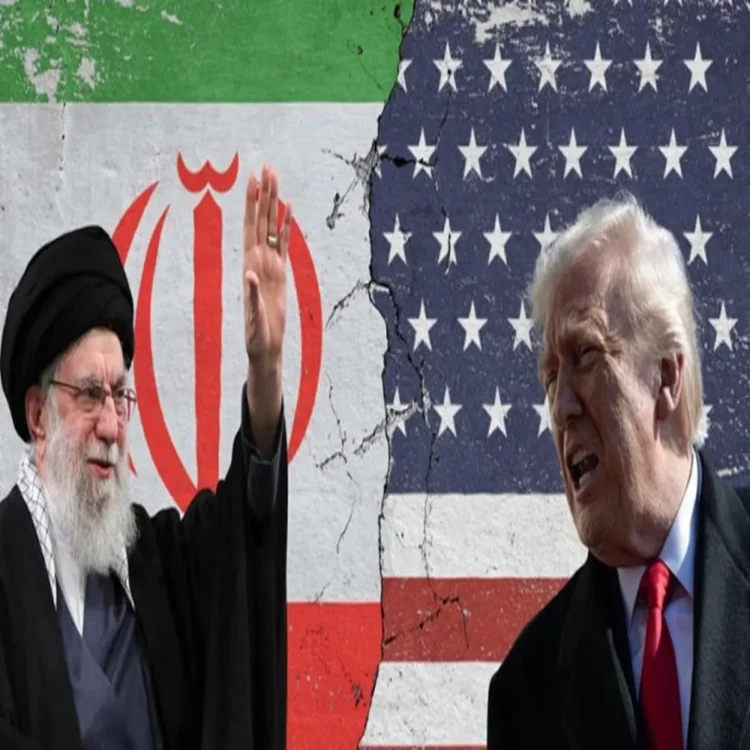
Visit Called Off Without New Timeline
According to officials familiar with the matter, the trip—originally scheduled for earlier this week—has been cancelled without any alternative dates being announced. The move reflects growing uncertainty within the US administration as it seeks a more coordinated response from Iran before resuming direct engagement.
Sources indicated that future diplomatic travel linked to these negotiations will only be confirmed once there is greater clarity on Iran’s position. The decision highlights a cautious stance by Washington, prioritising a unified framework for talks over immediate high-level meetings.
Ceasefire Extension Shapes Strategy
The postponement comes alongside President Donald Trump’s recent decision to extend a ceasefire involving Iran. The extension was announced shortly before the previous deadline expired and was described as a response to appeals from Pakistan’s leadership.
US officials confirmed that while active hostilities have been paused, existing measures—such as restrictions on Iranian ports—will remain in place. Washington has made it clear that these conditions will continue until Iran presents a consolidated proposal acceptable for negotiations.
Pressure for a Unified Proposal
The US administration has stressed the need for a single, coherent plan from Iran’s leadership before further discussions can proceed. Officials believe that internal divisions within Tehran have made it difficult to advance meaningful dialogue.
President Trump noted that military readiness would be maintained during the ceasefire period, even as direct conflict remains suspended. This approach aims to balance diplomatic engagement with strategic pressure, keeping options open while awaiting a formal response.
Pakistan’s Role in Delaying Escalation
The ceasefire extension was reportedly influenced by direct communication from Pakistan’s top leadership. Requests from both the country’s military and political leadership urged Washington to delay a planned escalation, providing additional time for diplomatic efforts.
This intervention underscores Pakistan’s role as a key intermediary in the situation, particularly given its involvement in earlier rounds of discussions between the US and Iran.
Strong Reaction from Tehran
The US decision has drawn sharp criticism from Iranian officials. A senior adviser linked to Iran’s parliament dismissed the ceasefire extension as irrelevant, arguing that it does not change the broader dynamics of the conflict.
He suggested that maintaining economic and maritime pressure is effectively equivalent to continued aggression and warned that Iran may respond more assertively. The remarks indicate deep skepticism within Tehran about Washington’s intentions.
Previous Talks Ended Without Breakthrough
The latest developments follow the collapse of earlier negotiations held in Islamabad. Those talks, which lasted over 20 hours, failed to produce a lasting agreement, leaving key issues unresolved.
Diplomatic sources described the discussions as intense but ultimately inconclusive, with both sides unable to bridge significant differences. The lack of progress has contributed to the current pause in high-level engagements.
Uncertain Path Ahead
With the Islamabad visit cancelled and tensions still unresolved, the future of US-Iran diplomacy remains uncertain. While the ceasefire provides temporary relief from immediate conflict, both sides appear far from reaching a lasting settlement.
For now, Washington is waiting for a clearer and more unified response from Tehran, while maintaining pressure and readiness. The coming weeks are likely to determine whether diplomacy can regain momentum or if the situation will move toward further escalation.