
Diplomacy – US Vice President Cancels Islamabad Visit Amid Iran Tensions
Diplomacy – The United States has indefinitely postponed a planned diplomatic visit to Islamabad by Vice President JD Vance, signalling a shift in Washington’s approach to ongoing tensions involving Iran. The decision comes shortly after President Donald Trump announced an extension of the current ceasefire and called for a consolidated proposal from Iranian leadership before further talks proceed.
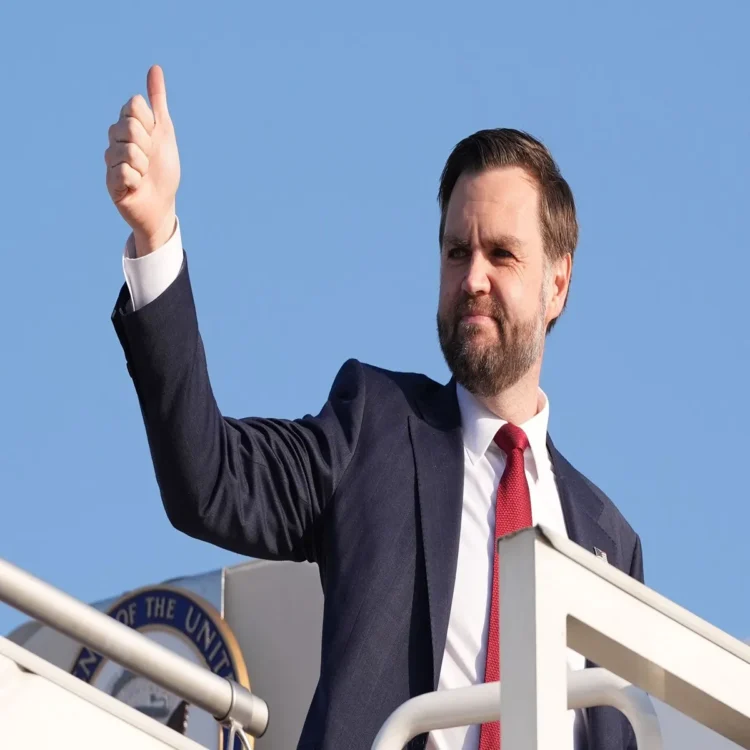
Visit Put on Hold Without New Timeline
According to officials familiar with the matter, the high-level visit, originally scheduled for Tuesday, has been cancelled with no revised dates announced. The move reflects a broader recalibration of diplomatic priorities, as the US administration seeks clearer direction from Tehran before engaging in further negotiations.
Officials indicated that any future travel related to diplomatic discussions will be confirmed at a later stage. For now, Washington appears focused on securing a unified stance from Iran, which it views as essential for meaningful dialogue.
Ceasefire Extension Linked to Regional Appeal
In parallel with the postponed visit, President Trump confirmed that the ceasefire involving Iran would be extended. The decision reportedly followed a direct request from Pakistan’s leadership, urging the US to delay a planned military strike.
The announcement was made shortly before the previous ceasefire deadline expired. While the pause in hostilities remains in place, the US has maintained its strategic pressure by continuing a maritime blockade on Iranian ports.
US Maintains Pressure While Awaiting Proposal
The US administration has made it clear that military readiness remains unchanged despite the temporary halt in offensive action. President Trump stated that American forces have been instructed to stay prepared while enforcing existing restrictions, including the ongoing blockade.
The extension of the ceasefire is conditional, with Washington expecting Iranian authorities to present a comprehensive and unified proposal. Until such a framework is submitted and reviewed, the current status quo is expected to continue.
Strong Reaction from Iranian Side
The US decision has drawn sharp criticism from figures within Iran’s political establishment. Mahdi Mohammadi, an adviser to the Iranian parliament speaker, dismissed the ceasefire extension as insignificant.
He argued that a country he described as being at a disadvantage does not have the authority to set terms. Mohammadi further warned that maintaining the blockade is effectively equivalent to continued aggression and suggested that it should be met with a military response.
Concerns Over Escalation and Strategy
Mohammadi also raised concerns that the ceasefire extension could be a strategic delay rather than a genuine attempt at peace. He suggested that the pause might allow time for unexpected military action, urging Iran to take a more proactive stance.
These remarks highlight the ongoing mistrust between both sides, complicating efforts to revive negotiations.
Earlier Talks Ended Without Agreement
The current situation follows the breakdown of previous diplomatic efforts. A lengthy round of negotiations between US and Iranian representatives in Islamabad, lasting more than 20 hours, failed to produce a lasting agreement.
That unsuccessful attempt underscored the deep divisions between the two sides and set the stage for the current impasse.
Uncertain Path Ahead
With diplomatic engagement paused and tensions still high, the path forward remains unclear. The US is awaiting a unified proposal from Iran, while Tehran continues to question Washington’s intentions.
The postponement of the vice president’s visit reflects not just a scheduling change but a broader strategic pause, as both sides assess their next moves in a complex and evolving geopolitical landscape.