
Diplomacy – US Iran Talks Face Uncertainty Amid Rising Tensions
Diplomacy – The prospects of renewed dialogue between the United States and Iran have become increasingly uncertain, as tensions escalate ahead of a critical ceasefire deadline. Signals from Tehran suggest hesitation over participating in the next round of discussions, while firm public remarks from Washington have added to the complexity of the situation.
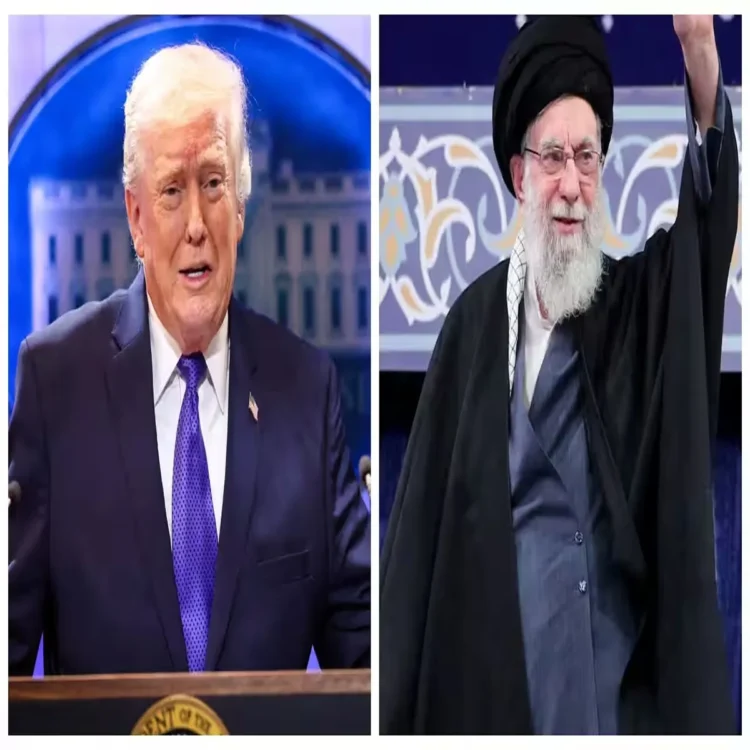
Uncertainty Surrounds Next Round of Negotiations
Plans for a second round of talks, reportedly expected to take place in Islamabad, now appear unclear. Iranian officials have indicated that no final decision has been made regarding their participation. This hesitation follows recent developments, including the reported seizure of an Iranian-linked vessel by US authorities, which has further strained relations between the two sides.
Iran’s Foreign Ministry spokesperson stated that discussions about the next meeting are still ongoing, emphasizing that no commitment has been reached. The lack of clarity has raised concerns about whether both nations will be able to maintain diplomatic momentum.
Ceasefire Deadline Adds Pressure
The uncertainty comes at a sensitive time, as a temporary two-week ceasefire between Washington and Tehran approaches its expiration. The approaching deadline has intensified pressure on both sides to either secure an agreement or prepare for a potential return to conflict.
Diplomatic observers note that such deadlines often act as turning points, forcing negotiators to make difficult decisions. However, the current environment appears complicated by conflicting signals and unresolved disagreements.
Public Statements Complicate Negotiations
Recent public remarks by US President Donald Trump have added another layer of difficulty to the already fragile negotiations. Reports indicate that statements made through public platforms have created confusion, particularly after claims that Iran had accepted certain conditions that were not yet finalized.
Iranian officials have responded by rejecting these claims, suggesting that such statements misrepresent the actual progress of discussions. Sources familiar with the negotiations have indicated that public messaging has, at times, disrupted the careful balance required for sensitive diplomatic engagement.
Mixed Signals from Washington
The situation has been further complicated by varying messages coming from US leadership. While some statements have suggested that an agreement may be close, others have warned of possible military consequences if negotiations fail.
This dual approach has contributed to uncertainty, making it difficult for both sides to establish a consistent framework for dialogue. Analysts believe that clarity in communication is essential for building trust, which currently appears to be in short supply.
Iran Rejects Talks Under Pressure
Iran has maintained a firm stance that it will not engage in negotiations under coercion or threats. Senior Iranian leadership has emphasized that any discussions must take place in an environment of mutual respect, rather than under the threat of military action.
This position highlights the deep-rooted mistrust that continues to define relations between the two countries. Despite ongoing preparations for potential talks, both sides remain cautious about each other’s intentions.
Broader Implications for Global Stability
The outcome of these negotiations carries significant global importance. Any agreement—or lack thereof—could impact regional stability, influence international security dynamics, and affect global energy markets.
Particular attention is being paid to the Strait of Hormuz, a strategically vital route for global oil shipments. Disruptions in this region could have far-reaching consequences beyond the immediate conflict.
As the ceasefire deadline approaches, the coming days are expected to play a decisive role in determining whether diplomacy can prevail or tensions will escalate further.