
GlobalDiplomacy – Pakistan Intensifies Efforts to Ease US-Iran Tensions
GlobalDiplomacy – Pakistan stepped up its diplomatic outreach on Saturday as its top civilian and military leaders wrapped up separate international visits aimed at reducing tensions between the United States and Iran, signaling a renewed push for dialogue in a fragile regional climate.
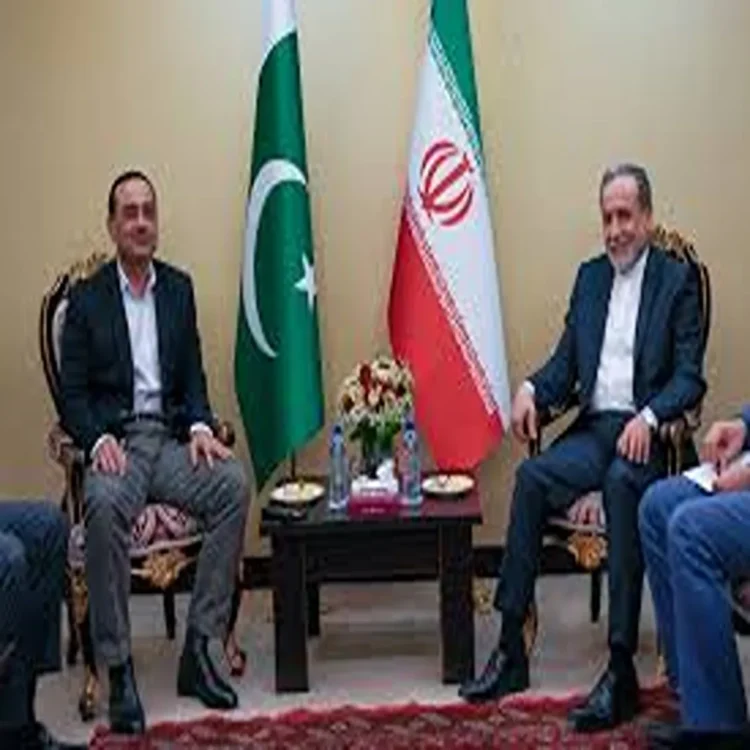
Pakistan’s Chief of Army Staff, Field Marshal Asim Munir, concluded a three-day visit to Tehran where he held high-level discussions with Iran’s leadership. According to an official military statement, the visit was focused on encouraging a peaceful resolution to ongoing disputes and reinforcing Pakistan’s role as a facilitator in sensitive negotiations.
High-Level Meetings in Tehran
During his stay, Munir met key Iranian figures, including the president, foreign minister, parliament speaker, and senior military officials. These meetings centered on diplomatic pathways to reduce tensions and avoid further escalation. The Pakistani side emphasized the importance of sustained dialogue and constructive engagement to resolve outstanding issues.
The visit comes at a critical time, as diplomatic channels between Tehran and Washington remain open but fragile. Pakistan has positioned itself as a neutral intermediary, aiming to support efforts that could lead to long-term stability in the region.
Parallel Diplomatic Outreach by Prime Minister
At the same time, Prime Minister Shehbaz Sharif завершed a separate diplomatic tour that included visits to Saudi Arabia, Qatar, and Turkey. His trip focused on building regional consensus and encouraging broader support for ongoing peace initiatives.
Sharif, accompanied by Foreign Minister Ishaq Dar, also attended a diplomatic forum in Antalya before returning home. Officials indicated that these engagements were part of a coordinated strategy to strengthen dialogue and maintain momentum in negotiations involving multiple stakeholders.
Background of US-Iran Engagement
Recent developments have seen rare direct interactions between US and Iranian representatives. Last week, senior Iranian officials, including Parliament Speaker Mohammad Bagher Ghalibaf and Foreign Minister Abbas Araghchi, traveled to Islamabad for discussions with US counterparts. Although the talks did not produce a formal agreement, both sides agreed to continue diplomatic engagement.
Pakistan’s involvement in hosting and facilitating such discussions highlights its growing role in regional diplomacy. Observers note that while progress has been gradual, the continuation of talks reflects a shared interest in avoiding further conflict.
Upcoming Talks in Islamabad
A second round of negotiations between the United States and Iran is expected to take place in Islamabad in the coming days. These talks are being closely watched, as they could determine the direction of future diplomatic efforts.
Pakistani officials have reiterated their commitment to providing a platform for constructive dialogue. The government has consistently called for de-escalation and emphasized the need for peaceful solutions through sustained diplomatic channels.
Rising Concerns Over Strategic Waterway
Amid these diplomatic efforts, tensions remain high in the region. Iran has issued a warning that it may consider closing the Strait of Hormuz if US actions against its ports continue. This statement came shortly after Tehran announced the reopening of the critical waterway following a ceasefire in Lebanon.
The Strait of Hormuz is one of the world’s most important shipping routes, and any disruption could have significant global economic implications. Analysts suggest that such developments underline the urgency of ongoing negotiations and the need for effective conflict resolution.
Focus on Dialogue and Stability
Throughout his visit, Field Marshal Munir stressed the importance of dialogue, restraint, and diplomatic engagement. Pakistan’s leadership has consistently advocated for peaceful solutions, highlighting the risks associated with further escalation.
As diplomatic efforts continue, the coming days are expected to be crucial in determining whether ongoing talks can yield tangible outcomes. While challenges remain, the sustained involvement of multiple countries indicates a shared commitment to stability and peace in a volatile region.