
PopeVisit – Historic Muxima Church Reflects Faith, Slavery, and Renewal
PopeVisit – The Church of Our Lady of Muxima in Angola stands as both a place of devotion and a powerful reminder of a difficult past, as Pope Leo XIV prepares to visit the historic site during his African tour.
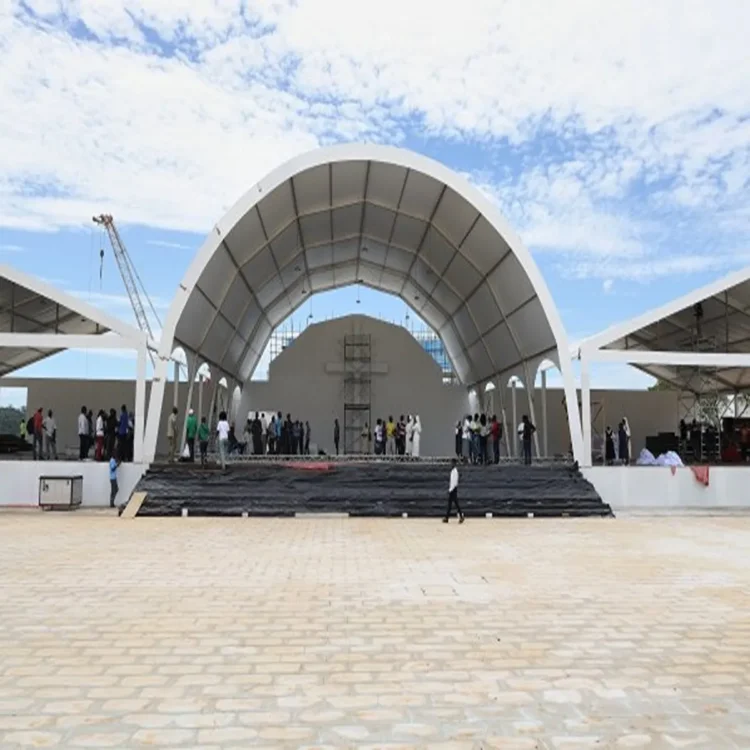
A sacred site with a complex past
Built by Portuguese settlers in the late 1500s, the Church of Our Lady of Muxima was originally part of a fortified complex along the Kwanza River. Over time, it became closely tied to the trans-Atlantic slave trade. Historical records indicate that enslaved Africans were gathered at this location, baptized by missionaries, and then forced to march long distances to Luanda, where ships carried them across the Atlantic.
Despite its troubling origins, the church later gained spiritual significance. In the early 19th century, reports of an appearance of the Virgin Mary transformed it into a respected pilgrimage destination for Catholics in Angola and beyond.
Angola’s central role in the slave trade
Angola played a major role in the trans-Atlantic slave system, with historians estimating that more than five million people were taken from its shores. This figure represents a substantial portion of the millions of Africans transported to the Americas over several centuries.
The involvement of religious institutions during this period has remained a subject of historical reflection. Early colonial efforts were supported by directives that allowed the enslavement of non-Christians, linking missionary work with imperial expansion.
Symbolism of the pope’s visit
Pope Leo XIV’s planned visit to Muxima carries deep symbolic weight. He is expected to pray the Rosary near the riverside, close to the historic structures that once witnessed immense human suffering. For many Angolan Catholics, the visit represents an opportunity to redefine the meaning of the site.
Local clergy believe the presence of the pope could help shift the narrative from one of exploitation to one of healing and faith. Religious leaders have expressed hope that the visit will reinforce the church’s role as a place of peace and reconciliation.
Personal history adds deeper meaning
The visit also draws attention to the pope’s own background. Research conducted in the United States revealed that Pope Leo XIV, born Robert Prevost, has a diverse ancestry that includes both African and European roots. Historical records suggest that his family lineage may include individuals who were both enslaved and slave owners.
This connection adds a layer of complexity to his visit to Angola, a country deeply affected by the slave trade. Scholars note that such personal history may influence how he engages with communities and addresses historical issues.
Church’s evolving role in modern Angola
Angola’s history did not end with colonial rule. After gaining independence in 1975, the country experienced a prolonged civil war that caused widespread devastation and loss of life. Even today, challenges such as economic inequality, governance issues, and limited access to resources persist.
Religious leaders in Angola see the Catholic Church as an important force in addressing these issues. Church organizations have been involved in promoting social justice, advocating for democratic values, and supporting vulnerable communities.
Expectations from the papal visit
Observers believe Pope Leo XIV may address contemporary concerns such as resource exploitation, corruption, and social inequality during his trip. His outreach to African communities, including recent efforts to elevate African clergy within the Vatican, has been viewed as a step toward greater inclusion.
Political voices in Angola have also expressed hope that the visit will highlight ongoing struggles within the country. While not all citizens share the same religious beliefs, many acknowledge the influence of the Catholic Church in advocating for fairness and accountability.
As Angola continues to navigate its complex past and present, the pope’s visit to Muxima may serve as a moment of reflection, bridging history with a vision for a more just future.