
Ceasefire – Temporary Truce Between Israel and Lebanon Amid Rising Tensions
Ceasefire – A temporary pause in hostilities between Israel and Lebanon has been announced, drawing reactions from key political figures across the region. The 10-day ceasefire, revealed by former US President Donald Trump, comes after days of heightened military exchanges along the shared border, raising hopes for a possible de-escalation.
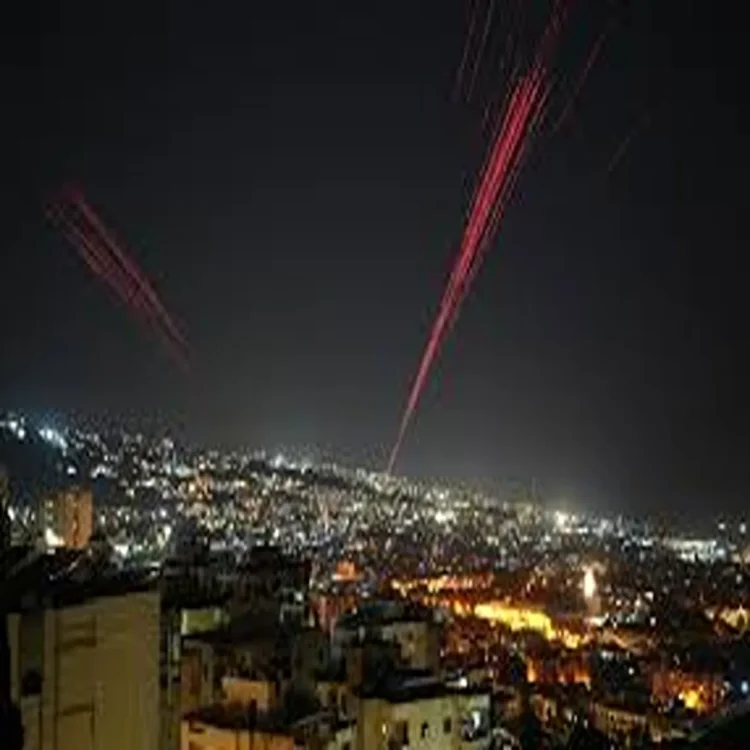
Iran Credits Hezbollah’s Role in Ceasefire Outcome
Reacting to the development, Iran’s Parliament Speaker MB Ghalibaf stated that the agreement was largely shaped by what he described as the resilience of Hezbollah and the cohesion among allied groups. In a message shared publicly, he maintained that such a truce would not have been possible without what he termed the consistent resistance shown by Hezbollah and its partners.
Ghalibaf emphasized that the ceasefire should be approached carefully, suggesting that while it offers a pause in fighting, it does not signal the end of broader regional tensions. He added that the groups aligned under this front would remain united until their long-term objectives are achieved.
Acknowledgment of Mediation Efforts
The Iranian leader also acknowledged the diplomatic role played by Pakistan in facilitating the agreement. He specifically mentioned the efforts of the country’s leadership and military establishment in helping bring both sides closer to a temporary understanding.
Such recognition highlights the growing involvement of regional actors attempting to prevent further escalation, especially at a time when tensions risk spilling over into a wider conflict.
Background: Escalating Border Conflict
The ceasefire follows a period of intense cross-border activity between Israeli forces and Hezbollah fighters. The situation had deteriorated rapidly in recent weeks, particularly after broader geopolitical tensions involving the United States and Iran added fuel to an already volatile environment.
Frequent exchanges of fire, airstrikes, and retaliatory actions had raised concerns among international observers about the possibility of a prolonged conflict. The latest agreement is seen as a crucial step to halt immediate violence, even if temporarily.
Understanding the “Axis of Resistance”
Ghalibaf’s remarks also referred to what Iranian officials often call the “Axis of Resistance.” This term generally describes a network of groups and governments aligned against Israel and Western influence in the region. It includes organizations such as Hezbollah in Lebanon, Hamas in Palestinian territories, and Houthi forces in Yemen, among others.
This alliance has played a significant role in shaping regional dynamics over the years, often influencing both military and political developments.
Announcement Followed High-Level Talks
The ceasefire announcement came shortly after Trump disclosed that he had engaged in discussions with key leaders from both sides. According to his statement, conversations with Lebanese President Joseph Aoun and Israeli Prime Minister Benjamin Netanyahu helped pave the way for the agreement.
Trump indicated that both leaders had agreed to begin the ceasefire at a specified time, presenting it as an initial move toward reducing tensions and possibly opening the door for further negotiations.
A Critical Moment for Regional Stability
The timing of the ceasefire is particularly important, as West Asia has been experiencing a period of uncertainty and instability. Analysts believe that even a short pause in hostilities could create space for diplomatic engagement and reduce the immediate risk of escalation.
However, many observers remain cautious. While the agreement offers temporary relief, underlying issues between the involved parties remain unresolved. Whether this ceasefire leads to a more lasting solution will depend on continued dialogue and restraint from all sides.
For now, the 10-day truce stands as a significant, though fragile, step toward calming a region that has been on edge for weeks.