
Ceasefire – Temporary Truce Brings Relief After Weeks of Israel-Lebanon Violence
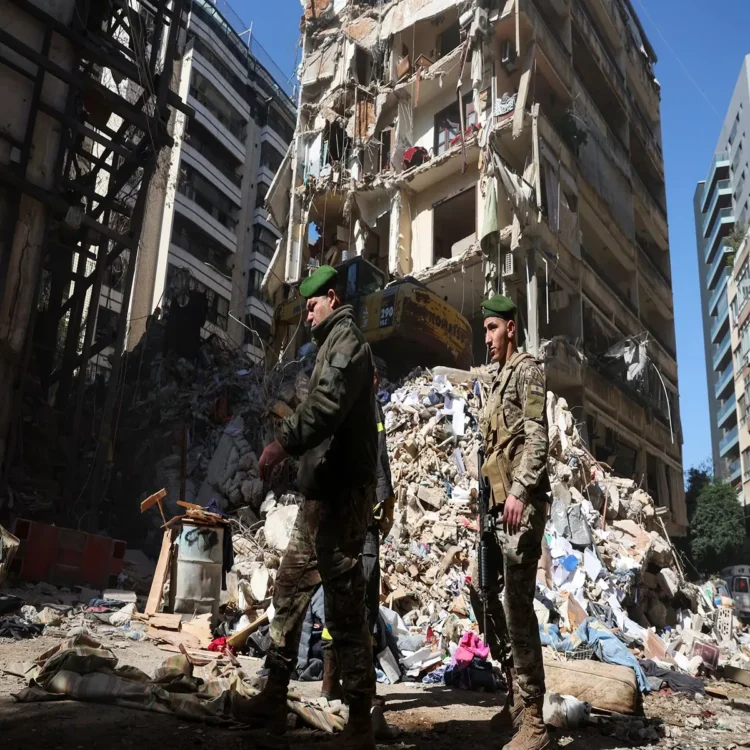
Ceasefire – A temporary ceasefire between Israel and Lebanon came into force on Friday, marking a pause in weeks of intense fighting that has resulted in significant casualties and widespread damage. The development follows an earlier announcement by former US President Donald Trump, who confirmed the agreement aimed at halting hostilities along the volatile border region.
International Community Welcomes Pause in Fighting
Global leaders and international organizations have largely responded with cautious optimism. The truce is expected to bring immediate relief to civilians affected by the recent escalation, which reportedly claimed more than 2,000 lives over the past month. Observers stress the importance of strict compliance to prevent a relapse into violence.
A spokesperson for the United Nations emphasized the need for both sides to honor the agreement, highlighting the humanitarian toll the conflict has taken. The UN has consistently called for restraint and a return to diplomatic engagement to ensure long-term stability.
Regional Leaders Call for Sustained Peace Efforts
Several regional bodies have also expressed support for the ceasefire. The Arab League described the development as a constructive move that could ease the hardships faced by people in Lebanon. Its leadership urged all involved parties to not only respect the truce but also begin meaningful discussions toward a lasting resolution.
Iran also welcomed the agreement, linking it to broader diplomatic efforts involving multiple countries. Officials indicated that the ceasefire aligns with ongoing attempts to reduce tensions in the region through negotiated settlements.
Egypt and Gulf Nations Stress Stability and Aid
Egyptian authorities described the ceasefire as a critical step toward reducing tensions and preventing further escalation. In an official statement, Egypt called on the international community to play a more active role in ensuring that the agreement holds. It also stressed the urgency of delivering humanitarian assistance and facilitating the safe return of displaced families.
The United Arab Emirates echoed similar sentiments, expressing hope that the ceasefire would help create conditions favorable for regional stability. UAE officials highlighted the importance of coordinated international action to prevent further conflict and address the broader humanitarian and security challenges.
Qatar also welcomed the development, describing it as an important step toward de-escalation. Officials there expressed hope that the truce would contribute to ongoing international efforts aimed at achieving a comprehensive and lasting peace in the region.
Background of Escalation and Previous Truce Breakdown
The current ceasefire follows a period of heightened tensions that began after the collapse of an earlier truce. That previous agreement, in place since November 2024, had already been fragile, with frequent violations reported.
The situation deteriorated sharply on March 2, when Hezbollah launched rockets toward Israel. The attack was reportedly in support of Iran and triggered a strong military response from Israel, including extensive airstrikes across Lebanese territory. This escalation marked the beginning of the latest wave of violence that the current ceasefire now seeks to halt.
Uncertain Path Ahead Despite Positive Signals
While the ceasefire has been broadly welcomed, experts caution that maintaining it will require sustained diplomatic engagement and mutual restraint. Past experiences have shown that such agreements can be fragile without continuous international oversight and commitment from both sides.
For now, the pause in fighting offers a window of opportunity for humanitarian relief and renewed dialogue. Whether it leads to a more durable peace will depend on how effectively the involved parties and the global community can build on this moment.