
TradeDeal – India and US Resume Talks on Bilateral Trade Pact
TradeDeal – India is set to send an official delegation to the United States from April 20 to 22 to advance discussions on a proposed Bilateral Trade Agreement (BTA). The visit marks a significant step in reviving in-person negotiations after a pause of several months, during which both sides relied largely on virtual meetings.
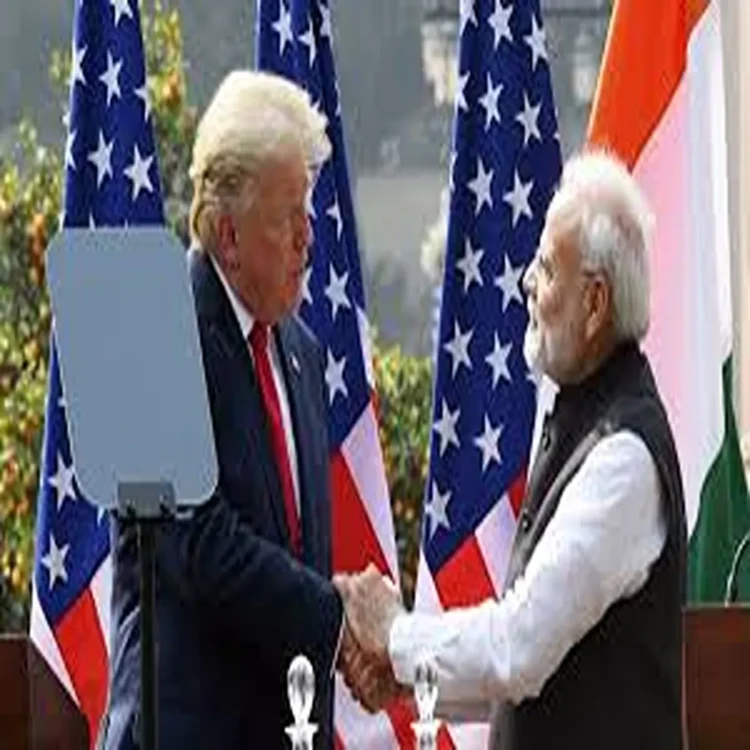
In-Person Talks Resume After Gap
The Indian delegation will be led by chief negotiator Darpan Jain, with senior officials aiming to build on earlier discussions. According to Commerce Secretary Rajesh Agrawal, this will be the first face-to-face engagement between the two countries in recent months. The pause in direct talks had followed developments in the United States, where a Supreme Court ruling declared certain reciprocal tariffs introduced earlier as unlawful.
Officials believe that this ruling created an opportunity for both countries to reassess their positions before returning to the negotiating table. Over the past three to four months, both sides have continued discussions through virtual channels, laying the groundwork for more structured talks during the upcoming visit.
Focus on Legal Framework of Agreement
The upcoming meetings are expected to focus on finalizing the legal structure of the trade agreement. This step is considered a natural progression following the joint statement issued by both countries on February 7, which outlined their commitment to strengthening trade ties.
Agrawal indicated that negotiators are now working toward converting earlier understandings into a formal agreement. The emphasis will be on ensuring clarity in provisions and addressing areas of concern for both sides, including market access and regulatory frameworks.
Section 301 Dispute Remains Key Issue
Alongside the BTA discussions, India has formally responded to the United States Trade Representative regarding Section 301 measures, which have been a longstanding source of friction. India submitted its rebuttal on April 15, addressing concerns over trade practices and policy frameworks.
The United States has initiated similar investigations involving multiple countries, including India. During the upcoming visit, both sides are expected to deliberate on how to approach these issues and find mutually acceptable solutions. Officials suggest that resolving differences on this front will be crucial for the broader trade agreement.
Tariff Changes Influence Negotiations
The timeline for signing the BTA has seen multiple shifts. Initially expected to be concluded by mid-March, progress was delayed following the legal developments in the United States. After the court ruling, the US government withdrew additional tariffs of 25 percent that had been imposed earlier.
However, a new tariff structure was introduced under Section 122 of the Trade Act of 1974, applying a 10 percent duty on certain imports from all countries. These changes have added complexity to the negotiations, requiring both sides to revisit earlier assumptions and adjust their strategies accordingly.
Trade Data Reflects Recent Challenges
Recent trade figures highlight the challenges facing India’s external sector. Official data shows that India’s exports declined by 7.44 percent in March, falling to 38.92 billion dollars. This marks the sharpest drop in five months.
Imports also recorded a decline of over 6 percent during the same period. Analysts attribute this trend partly to disruptions linked to the ongoing West Asia crisis, which has affected global supply chains and demand patterns.
Outlook for Upcoming Talks
The forthcoming discussions in the United States are expected to play a key role in determining the future of India-US trade relations. With both sides expressing willingness to engage constructively, officials remain cautiously optimistic about progress.
While several issues remain unresolved, including tariff policies and regulatory concerns, the resumption of in-person talks signals a renewed commitment to finding common ground. The outcome of this round of negotiations could set the direction for deeper economic cooperation between the two countries in the coming months.