
Elections – West Bengal Voter List Sees First Decline After Years
Elections – The Special Intensive Revision (SIR) exercise in West Bengal has concluded with the publication of its final supplementary list, bringing an unexpected shift in the state’s electoral landscape. For the first time in over a decade, the total number of registered voters has recorded a decline, reversing a steady upward trend observed since 2011.
A Decade of Continuous Growth
West Bengal’s voter base had expanded consistently since 2011, a year that marked a significant political transition with the end of the long-standing Left Front government and the rise of the Trinamool Congress under Mamata Banerjee. During that Assembly election, the state had approximately 5.62 crore registered voters.
In subsequent elections, the numbers rose sharply. By the 2014 Lok Sabha elections, the voter count had increased to around 6.27 crore. This growth continued in 2016, when the Assembly elections saw the figure climb further to about 6.58 crore. The upward trend remained intact in the following years, reflecting a consistent expansion of the electoral roll.
Rising Numbers Through Successive Elections
The 2019 Lok Sabha elections saw the voter base approach 6.98 crore, while the 2021 Assembly elections recorded a further rise to approximately 7.33 crore. This period also coincided with the Trinamool Congress securing a third consecutive term in power.
By the time the 2024 Lok Sabha elections were held, the number of registered voters had reached nearly 7.60 crore. Over these years, there had been no recorded instance of a decline, making the growth pattern appear consistent and uninterrupted.
Concerns Over Electoral Roll Accuracy
During this period of expansion, opposition parties frequently raised concerns regarding the accuracy of the voter lists. They alleged that while new and first-time voters were regularly added, there was insufficient removal of names belonging to individuals who were deceased, had relocated, or were otherwise ineligible.
Such concerns also included claims about duplicate and missing entries, which, according to critics, contributed to the continuous increase in voter numbers. These issues remained a point of debate across multiple election cycles.
Impact of the Special Intensive Revision
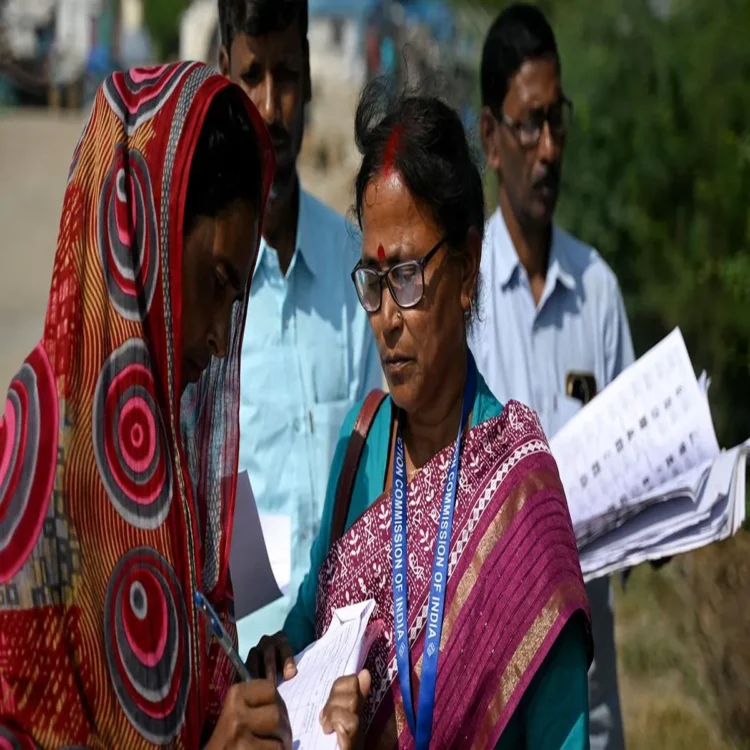
The recently completed SIR exercise, which began in November last year, aimed to address these concerns through a detailed verification process. With the release of the updated list, the total number of voters has now dropped to approximately 6.75 crore.
This marks a significant reduction compared to the previous figures and stands out as the first decline in voter numbers in recent history. The revision process involved identifying and removing names that were no longer valid, including those categorized as deceased, shifted, missing, duplicate, or otherwise ineligible.
Analysts Interpret the Shift
Election analysts suggest that the earlier steady increase may have been partly due to the addition of new voters without a proportional removal of outdated entries. The latest revision appears to have corrected this imbalance by systematically cleaning the electoral roll.
According to experts, the scale of deletions during the SIR exercise indicates a more rigorous approach to maintaining voter data. This has resulted in a more accurate and updated list, even though it has led to a noticeable drop in overall numbers.
Ahead of Upcoming Assembly Elections
The revised voter list comes at a crucial time, as the state prepares for upcoming two-phase Assembly elections later this month. The updated figures are expected to play an important role in ensuring transparency and fairness in the electoral process.
Officials maintain that the primary objective of the revision was to enhance the credibility of the electoral roll. By removing ineligible entries and verifying existing ones, the authorities aim to ensure that the voting process reflects genuine and eligible participation.