
Trade – West Asia Conflict Disrupts Rajasthan Exports, Industries Face Losses
Trade – The ongoing conflict in West Asia has begun to weigh heavily on several of Rajasthan’s export-driven industries, disrupting shipments, increasing logistics costs, and creating uncertainty for traders. Key sectors such as Bikaner’s snack manufacturing and Sojat’s mehendi production are among the worst affected, with goods stuck in transit and orders delayed.
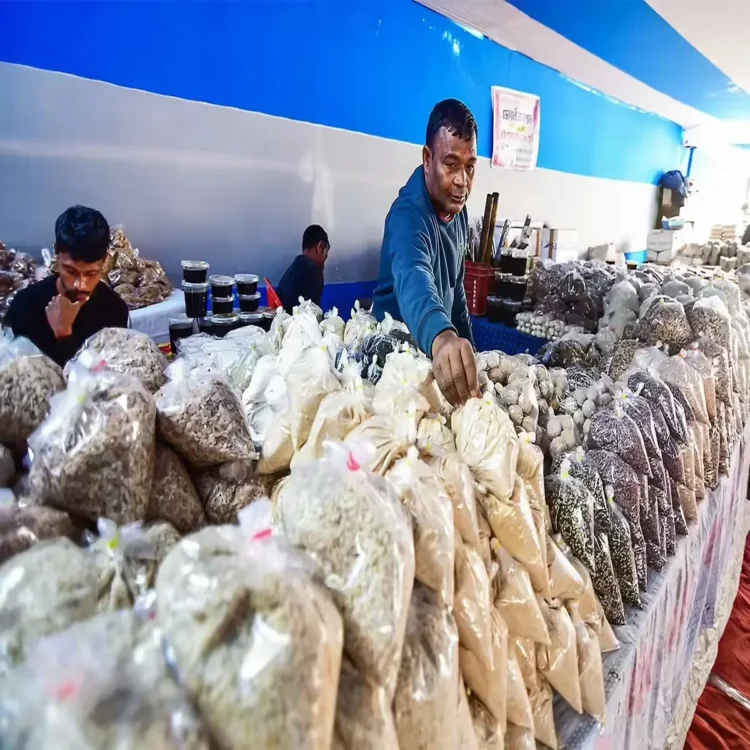
Export Delays Hit Bikaner’s Namkeen Industry
Bikaner, known for its globally popular savoury products, is witnessing a sharp decline in exports. Traders report that consignments of bhujia, papad, and other namkeen items are either stranded at ports or taking significantly longer routes to reach destinations in the Gulf and Europe.
Under normal circumstances, shipments would reach international markets within a month. However, due to the current crisis, delivery timelines have nearly doubled, stretching to around 60 days. Exporters say that such delays are particularly damaging for food products, as extended transit periods increase the risk of spoilage and reduce product quality upon arrival.
In addition to delays, rising freight charges have added further pressure. Exporters note that transportation costs have surged, making it difficult to maintain profit margins while remaining competitive in global markets.
Supply Chain Disruptions Extend to Wool Sector
The challenges are not limited to food exports. Bikaner’s wool industry, another important contributor to the region’s economy, is also struggling. Orders from international buyers have slowed, and logistical hurdles have made it difficult to ensure timely delivery.
Manufacturers say that the uncertainty surrounding shipping routes and fuel costs has disrupted established supply chains. As a result, businesses are facing both operational delays and financial strain, with pending orders continuing to pile up.
Sojat Mehendi Industry Faces Severe Setback
The situation is equally concerning in Sojat, a town in Rajasthan’s Pali district that is widely known for its mehendi production. The industry, which largely depends on exports to West Asia, has been brought to a near halt.
Industry representatives report that goods worth approximately Rs 250 crore are currently stuck at ports across different countries. With shipments delayed and payments held up, many businesses are struggling to stay afloat.
As a consequence, more than 150 factories have reportedly shut down operations. This has led to significant job losses, with over 2,200 workers affected. For a town whose economy is closely tied to this single industry, the impact has been particularly severe.
Employment and Economic Impact Deepen Concerns
The Sojat mehendi sector, estimated to generate an annual turnover of Rs 4,000–5,000 crore, plays a vital role in providing employment and supporting local livelihoods. The ongoing disruption has not only halted production but also created uncertainty about future demand.
Many factory owners indicate that their primary markets in West Asia remain unstable, making it difficult to predict when normal trade will resume. Smaller units, in particular, are finding it challenging to absorb prolonged financial losses.
Industry Seeks Stability Amid Uncertainty
Exporters and industry stakeholders across Rajasthan are closely monitoring the situation, hoping for improvements in global shipping conditions. However, until trade routes stabilize and transportation costs ease, businesses are likely to continue facing difficulties.
The current crisis highlights the vulnerability of export-dependent industries to geopolitical tensions. For regions like Bikaner and Sojat, where entire local economies rely on international trade, prolonged disruptions could have lasting consequences.