
SupremeCourt – Top Court Orders NIA Probe Into Bengal Voter Roll Disruptions
SupremeCourt – The Supreme Court on Monday directed that the National Investigation Agency (NIA) take charge of probing incidents linked to the obstruction of judicial officers during a voter roll revision exercise in West Bengal’s Malda district.
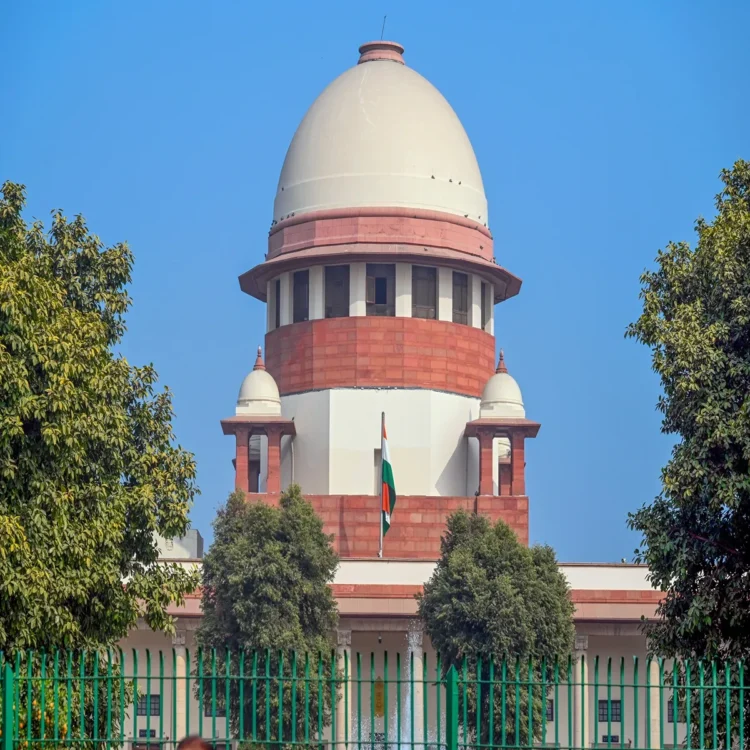
Court Orders Central Agency to Lead Investigation
A bench led by the Chief Justice reviewed a sealed status report submitted by the NIA and found multiple serious allegations surrounding the incidents. These included claims of coordinated blockades and interference with officials assigned to duties related to the Election Commission’s special revision of electoral rolls. In light of the gravity of the situation and allegations involving state authorities, the Court concluded that an independent central probe was necessary.
Multiple Cases Registered, Arrests Made
According to the report examined by the Court, three cases directly involve judicial officers, while nine others relate to similar disruptions in nearby areas. Authorities have already detained 24 individuals, including those identified as habitual offenders. The Court allowed the NIA to expand the scope of its inquiry if further dimensions of the case emerge.
Framework for Investigation Outlined
The Court established a clear procedure for handling the investigation. It directed that all case-related reports be submitted to the NIA’s special court in Kolkata. At the same time, the agency must continue to provide periodic updates to the Supreme Court. State police have been instructed to transfer all relevant records to the NIA and extend full cooperation, including logistical assistance.
Importantly, the custody of individuals already arrested will now shift to the NIA, which will conduct independent interrogations as part of its probe.
Concerns Over Administrative Lapses
During the hearing, the Court expressed serious concern over the conduct of the state administration. It pointed to what it described as a breakdown in coordination and communication between officials, which contributed to the situation escalating. Particular attention was drawn to incidents where judicial officers were reportedly prevented from carrying out their duties, including one case involving a woman officer being blocked from reaching her designated location.
The bench also questioned senior officials about their lack of responsiveness during critical moments. It noted that failure to respond to urgent communication, including calls from the High Court, reflected poorly on administrative accountability.
Officials Directed to Respond and Apologize
Senior officials, including the Chief Secretary and Director General of Police, appeared before the Court via video conferencing. When asked to explain their inaction, the Chief Secretary stated that he had been out of the state and unreachable due to official travel. However, the Court found this explanation unsatisfactory and directed him to issue an apology to the Chief Justice of the High Court for failing to respond during a crucial situation.
Despite its strong observations, the Court chose not to initiate further action against the officials, expressing hope that they would act more responsibly in the future.
Appeal Mechanism for Voter List Decisions
The Court also addressed concerns regarding decisions taken during the voter roll revision process. It clarified that individuals dissatisfied with such decisions can approach designated appellate tribunals. These tribunals, headed by former Chief Justices or senior judges, will handle appeals while ensuring adherence to principles of fairness and natural justice.
To maintain consistency, the Court directed that a uniform procedure be established across all 19 tribunals. A panel of experienced former judges will be constituted to develop these guidelines at the earliest.
Directions to Election Commission
In addition, the Court instructed the Election Commission to release a supplementary voter list promptly. It also allowed additional time for completing pending digital formalities, ensuring that verified objections are properly processed without procedural delays.
The developments mark a significant intervention by the judiciary, aiming to ensure transparency, accountability, and smooth conduct of electoral processes in the state