
FattyLiver – Silent rise of non-alcoholic liver disease across India
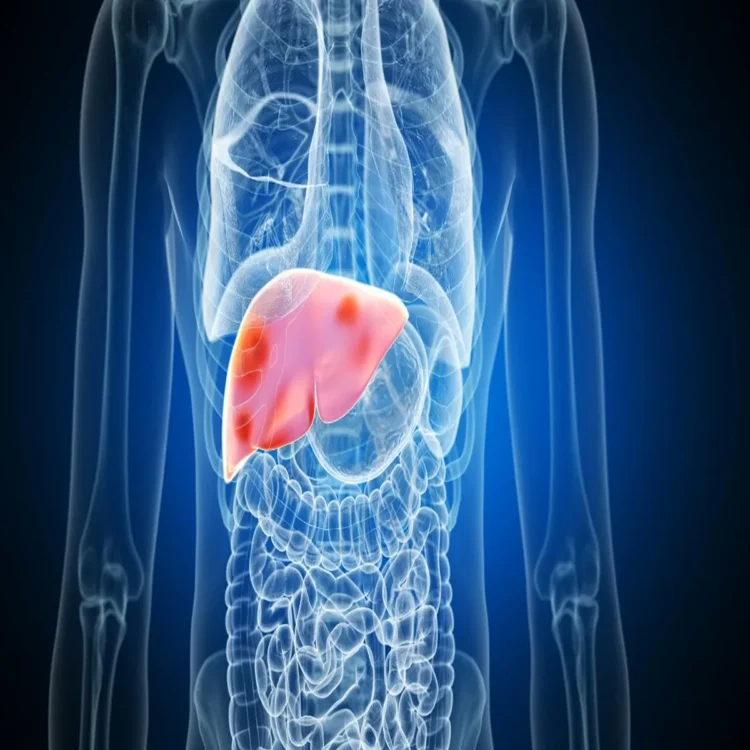
FattyLiver – Fatty liver disease is no longer limited to alcohol consumption, and an increasing number of non-drinkers are being diagnosed with this condition during routine medical check-ups. The absence of clear early symptoms makes it particularly concerning, as many individuals remain unaware until the issue has progressed.
A growing but overlooked health concern
Across India, fatty liver disease has quietly emerged as a widespread lifestyle-related condition. Medical experts estimate that nearly 20 percent of the population may be affected. Unlike traditional assumptions, this condition is now frequently seen in individuals who do not consume alcohol at all.
Doctors attribute this trend to deeper metabolic changes linked to modern habits. According to specialists, fat accumulation in the liver among non-drinkers reflects broader shifts in diet, physical activity, and overall health patterns.
Understanding non-alcoholic fatty liver disease
Known medically as Non-Alcoholic Fatty Liver Disease (NAFLD), this condition develops when excess fat builds up in liver cells without any connection to alcohol use. It tends to progress gradually, often without noticeable discomfort.
Some individuals may experience mild fatigue or a slight feeling of heaviness in the upper abdomen, but these signs are usually subtle. In many cases, there are no symptoms at all, which is why the condition is often discovered incidentally during unrelated medical tests.
Lifestyle changes driving the increase
Experts believe the rise in fatty liver cases is closely tied to evolving daily routines and habits.
A lack of physical activity plays a significant role. Long hours spent sitting, combined with limited exercise, reduce the body’s ability to process and burn fat effectively. At the same time, modern dietary patterns contribute heavily to the problem. Increased intake of refined carbohydrates, sugary foods, and processed meals leads to higher fat storage in the liver.
Metabolic health issues further add to the risk. Conditions such as elevated blood sugar, poor cholesterol balance, and excess abdominal fat are commonly linked with fatty liver. Additionally, disorders like diabetes, obesity, and thyroid imbalances can accelerate its development.
Sudden weight gain is another important factor. When weight increases rapidly, the body may struggle to regulate fat distribution, placing extra stress on the liver.
Why it often goes unnoticed
One of the biggest challenges with fatty liver disease is its silent nature. Unlike many illnesses, it does not cause immediate or severe discomfort in its early stages. People continue their daily routines without realizing that their liver is gradually being affected.
By the time the condition is identified, it may have already advanced to inflammation or more serious damage. This delayed detection increases the risk of complications if not addressed in time.
How the condition is diagnosed
Fatty liver disease is typically identified through routine medical evaluations. Blood tests showing elevated liver enzymes can indicate a problem. Imaging techniques such as ultrasound are commonly used to confirm fat accumulation in the liver.
In certain situations, more advanced diagnostic procedures or even a liver biopsy may be required to assess the severity and determine the extent of damage.
Possibility of reversal with timely action
The encouraging aspect of fatty liver disease is that it can often be reversed in its early stages. However, this requires consistent and long-term lifestyle changes rather than quick solutions.
Doctors recommend gradual weight reduction, regular physical activity, and a balanced diet with reduced sugar and processed food intake. These measures help lower fat levels in the liver and improve overall metabolic health.
In more severe cases, medical interventions such as bariatric surgery may be considered. If the condition progresses significantly, liver transplantation could become necessary.
Importance of early awareness
Fatty liver disease among non-drinkers is no longer uncommon. Its quiet progression makes it easy to ignore, but early detection plays a crucial role in preventing long-term complications. Recognizing the risk factors and making timely lifestyle adjustments can significantly improve outcomes.