
RenewableEnergy – South Korea Sets 2030 Target to Boost Clean Power Share
RenewableEnergy – South Korea has outlined an ambitious roadmap to significantly increase the role of renewable sources in its energy mix over the next decade, aiming to reduce reliance on imports and support rising electricity demand.
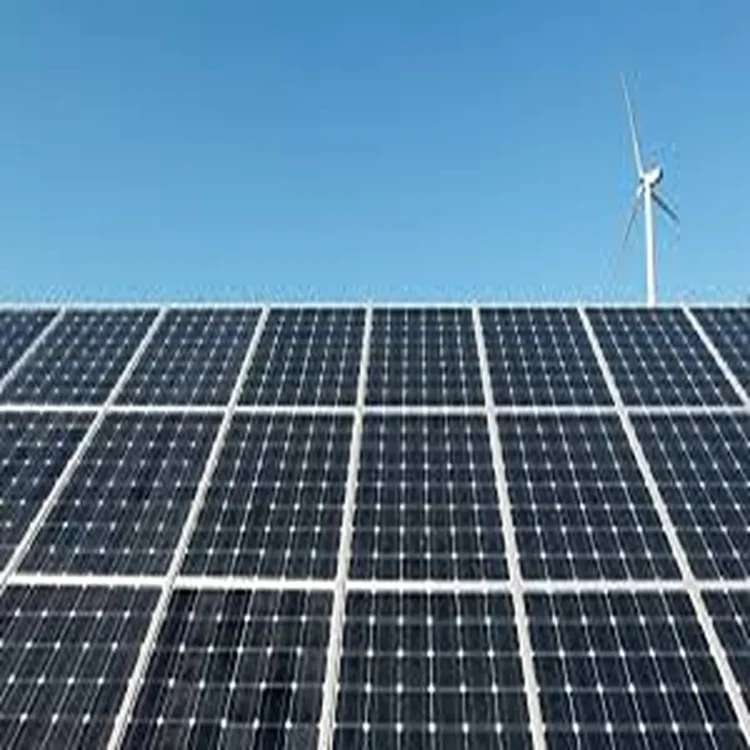
South Korea has announced plans to generate at least 20 percent of its electricity from renewable sources by 2030, marking a major step in its long-term energy transition strategy. The proposal, presented during a recent Cabinet meeting, reflects the country’s effort to strengthen energy security while keeping pace with rapid industrial expansion, particularly in high-tech sectors.
Expanding Renewable Capacity to Meet Future Demand
According to the Ministry of Climate, Energy and Environment, the government intends to expand renewable energy capacity to 100 gigawatts by the end of the decade. This growth will largely be driven by increased investment in solar and wind power infrastructure. Officials believe that scaling up these resources is essential to meeting both environmental goals and the country’s growing electricity needs.
Recent data shows that renewable sources accounted for 11.4 percent of South Korea’s total power generation last year. The new target represents a significant jump and will require sustained policy support and technological advancement.
Phasing Out Coal to Cut Emissions
A central part of the strategy involves reducing dependence on coal-fired power. The government plans to gradually retire 60 coal power plants by 2040. This phased approach is expected to lower greenhouse gas emissions while creating room for cleaner energy alternatives to take a larger share of the grid.
Authorities have indicated that the transition will be managed carefully to ensure stability in power supply during the shift away from fossil fuels.
Support for Green Technology and Industries
The roadmap also emphasizes the development of green industries as a key economic driver. The government has pledged support for technologies such as advanced solar panels, next-generation wind turbines, and battery energy storage systems. These sectors are expected to play a crucial role in both domestic energy production and global competitiveness.
In addition, traditional industries are being encouraged to adopt environmentally sustainable practices. The steel sector, for instance, is working toward commercializing hydrogen-based iron production by 2037. Similarly, the petrochemical industry is planning to electrify its naphtha cracking processes to reduce carbon emissions.
Push for Cleaner Transportation
Beyond power generation and industry, the plan also targets the transportation sector. The government aims for 40 percent of all new vehicle sales to consist of electric or hydrogen-powered models by 2030. This move is expected to significantly reduce emissions from road transport while boosting demand for clean energy.
Officials believe that integrating clean transportation with renewable power generation will create a more cohesive and sustainable energy ecosystem.
Strengthening Energy Security Amid Global Uncertainty
The initiative comes at a time of heightened global energy uncertainty. South Korea, which relies heavily on imported energy, has been particularly vulnerable to external disruptions. By increasing domestic renewable capacity, the country hopes to improve resilience against geopolitical risks and supply shocks.
Climate Minister Kim Sung-whan emphasized the urgency of the transition, stating that swift implementation of the plan is necessary to safeguard the nation’s energy stability in the face of ongoing global challenges.
A Long-Term Vision for Sustainable Growth
South Korea’s strategy highlights a broader commitment to balancing economic growth with environmental responsibility. By investing in clean energy, modernizing industries, and encouraging innovation, the government aims to position the country as a leader in sustainable development.
While the targets are ambitious, their success will depend on coordinated efforts across government, industry, and technology sectors. If achieved, the plan could mark a significant shift in how South Korea produces and consumes energy in the years ahead.