
Conflict – Iran Issues Strong Warning Over US Military Threats
Conflict – Iran’s top military command has delivered a firm warning to the United States and its allies in the region, signaling a sharp rise in geopolitical tensions. The statement comes after recent remarks attributed to former US President Donald Trump, which Iranian officials have described as provocative and threatening.
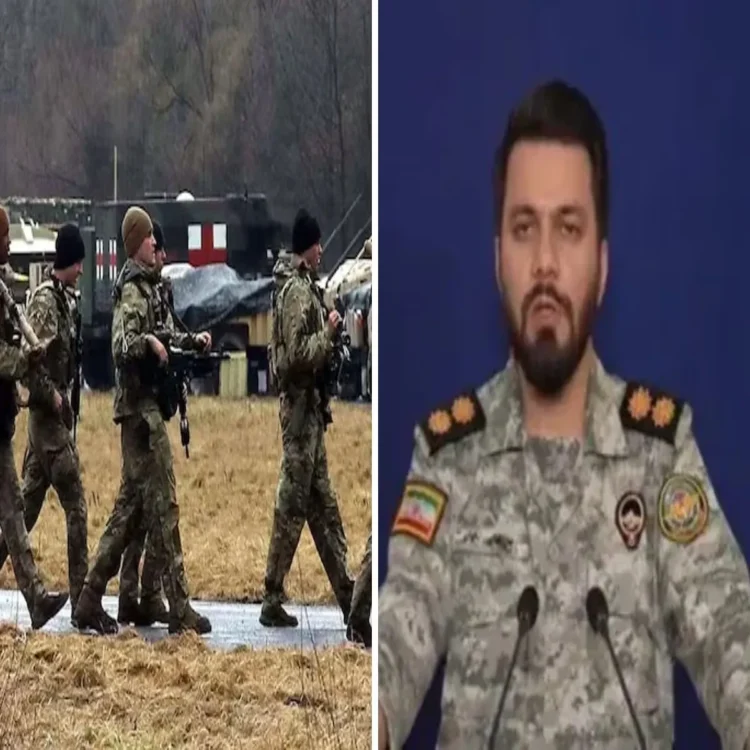
Military Leadership Signals Possible Retaliation
According to Iran’s state broadcaster, a senior spokesperson for the Khatam al-Anbiya Central Headquarters, Ebrahim Zolfaghari, outlined the country’s stance early Saturday. He indicated that Iran is prepared to respond forcefully if any threats against its infrastructure are carried out. The warning was not limited to direct adversaries but also extended to countries hosting American military bases.
Zolfaghari emphasized that any aggressive move targeting Iran’s civilian facilities would trigger a powerful reaction. He specifically referred to infrastructure such as bridges, power plants, and energy networks, which he said must not be targeted under any circumstances.
Response to US Statements on Strategic Targets
The Iranian response follows recent claims suggesting that the United States could consider strikes on Iran’s key infrastructure. Iranian officials view these statements as a serious escalation, interpreting them as a direct threat to national stability and civilian safety.
In his remarks, the spokesperson warned that Iran’s armed forces would not remain limited to conventional military targets if conflict intensifies. Instead, retaliation could involve broader strategic and economic assets linked to the US and its regional partners.
Potential Impact on Regional Infrastructure
The statement also highlighted the possibility of strikes on critical sectors across the region. These include energy hubs, fuel distribution systems, and power generation facilities. Iranian officials suggested that such actions would aim to deliver a response stronger than previous engagements.
The warning reflects growing concerns about the vulnerability of infrastructure in areas where US forces maintain a presence. By mentioning host nations, Iran has signaled that the scope of any confrontation could extend beyond direct bilateral conflict.
Message to Countries Hosting US Forces
A key part of the announcement was directed at nations that currently host American military bases. Iran urged these countries to reconsider their position, warning that continued cooperation with US forces could expose them to serious risks.
The military command made it clear that withdrawing US troops would be the only way for these nations to avoid becoming involved in a potential conflict. This message underscores the broader regional implications of the ongoing tensions.
Background of the Escalating Situation
The current standoff is linked to a wider conflict that reportedly began earlier this year. Iranian sources have described it as an unprovoked military campaign involving the United States and Israel. The initial phase of the conflict is said to have targeted senior leadership figures and key national institutions.
Reports indicate that the escalation has already had significant consequences, including leadership losses and heightened military readiness across the region. Iran maintains that its actions are defensive and aimed at protecting national sovereignty.
Rising Uncertainty in the Region
As both sides continue to exchange warnings, uncertainty remains high across the Middle East. Analysts suggest that the involvement of multiple countries and strategic assets increases the risk of a broader confrontation.
The situation continues to evolve, with diplomatic channels appearing limited at present. Observers are closely monitoring developments, particularly any movement related to military deployments or infrastructure security.
The Iranian military’s latest statement reinforces the seriousness of the situation and signals that any further escalation could have far-reaching consequences beyond immediate borders.