
Elections – Hungary Vote May Reshape EU Relations and Political Balance
Elections – Hungary is heading toward a crucial general election that could influence not only its domestic trajectory but also its standing within the European Union. As voters prepare to decide the country’s leadership, analysts suggest the outcome may have broader implications for European unity and geopolitical alignments.
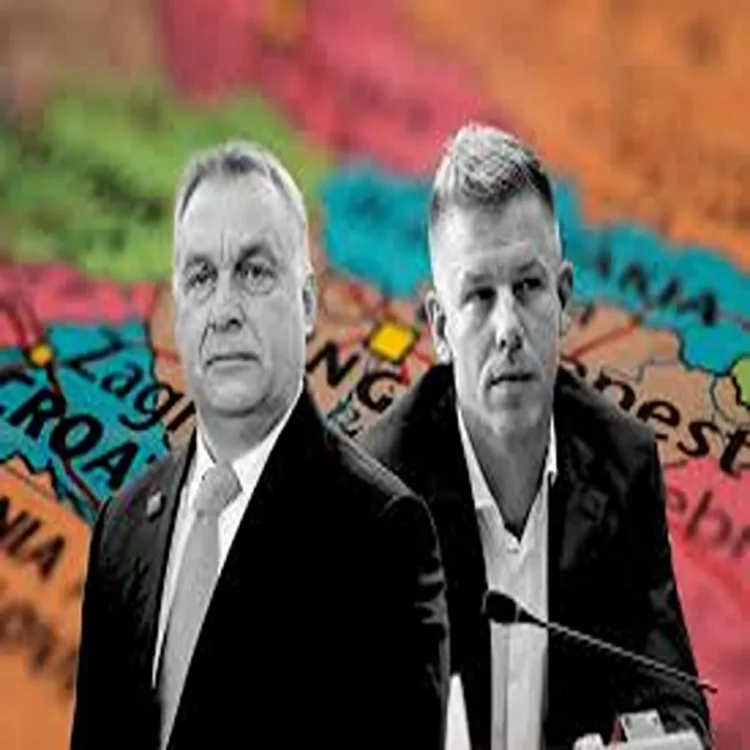
Growing Strains Between Hungary and the European Union
Since returning to office in 2010, Prime Minister Viktor Orban has frequently clashed with European institutions. His government’s approach to foreign policy, particularly its engagement with Russia, has drawn criticism from several European leaders. Tensions escalated further following reports of leaked communications between Hungary’s foreign minister and Russia’s top diplomat, prompting strong reactions across Europe.
Senior EU officials have openly questioned Hungary’s position, arguing that member states should prioritize collective European interests. Over the years, Hungary has repeatedly used its veto power to slow or block key EU decisions, particularly those related to sanctions on Russia and financial support for Ukraine.
Election Contest Tightens as Opposition Gains Ground
As the campaign enters its final phase, opinion polls indicate that opposition leader Peter Magyar and his TISZA party have gained significant momentum. If Magyar secures victory, observers believe Hungary could adopt a more cooperative stance toward the EU.
A shift in leadership may also unlock substantial financial resources currently withheld by Brussels due to concerns over governance and rule-of-law standards. However, analysts caution that even under new leadership, Hungary is unlikely to fully align with all EU policies, especially on sensitive issues like migration and relations with Ukraine.
Potential Impact of Another Orban Term
Should Orban secure another term, it would mark his fifth consecutive victory and likely reinforce his current political approach. Experts suggest this could lead to continued friction with European institutions and further use of Hungary’s veto power in key decisions.
Some analysts argue that Orban’s position could strengthen if supported by international allies who share similar political views. Others believe there may still be room for negotiation between Budapest and Brussels, particularly as both sides have practical incentives to reach compromises—Hungary seeking financial support and the EU needing consensus for major decisions.
Wider Political Implications Beyond Hungary
The outcome of the election may also influence political movements beyond Hungary’s borders. Orban has been regarded as a prominent figure within nationalist and sovereigntist circles globally. A defeat could weaken this network, while a victory might reinforce it.
Political observers note that Hungary has often served as a reference point for leaders advocating similar governance models. Therefore, the election result could shape broader ideological debates within Europe and beyond.
Hungary’s Domestic Direction at Stake
Beyond international relations, the election carries significant implications for Hungary’s internal political landscape. Critics of the current government argue that another Orban term could lead to further centralization of power and increased pressure on opposition voices.
On the other hand, Magyar has pledged to introduce reforms aimed at improving transparency and restoring institutional balance. The extent of change, however, will depend largely on the scale of his potential victory. A strong parliamentary majority could enable structural reforms, while a narrow win might limit his ability to deliver on broader promises.
Uncertain Path Ahead
As Hungary approaches election day, the stakes remain high. The result will not only determine the country’s leadership but also influence its role within the European Union and its position on key international issues.
Whether voters choose continuity or change, the decision is expected to resonate far beyond Hungary’s borders, shaping both regional politics and wider European dynamics in the months ahead.