
Health – Rising Colorectal Cancer Cases Among Young Adults Raise Concern
Health – Colorectal cancer, once considered a condition affecting mainly older adults, is now increasingly being diagnosed in younger individuals across India.
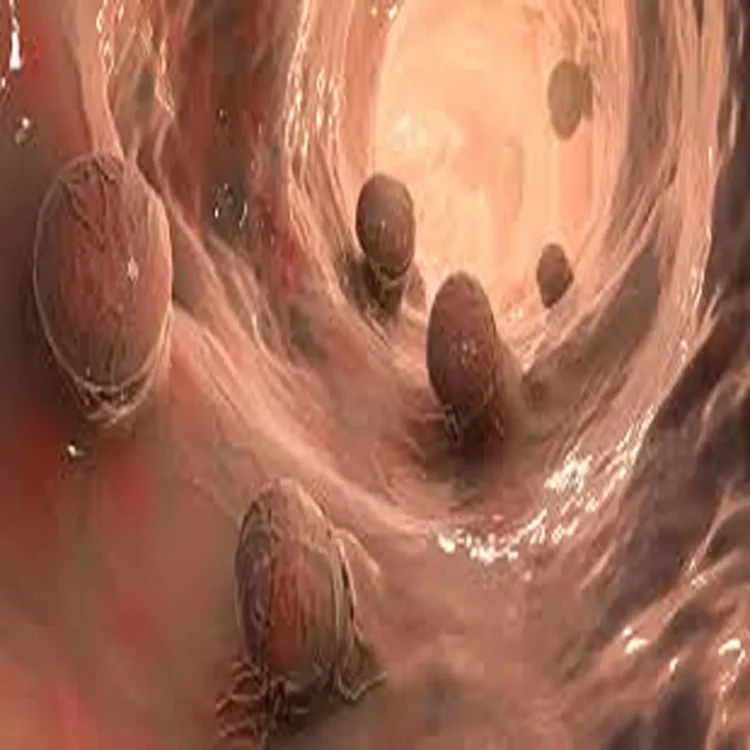
For decades, colorectal cancer was largely associated with ageing populations. However, medical professionals are now observing a noticeable change in this pattern. A growing number of patients in their 30s and 40s are being diagnosed with the disease, often without the traditional risk factors that were once considered typical.
Changing Trends in Diagnosis
Doctors across the country are expressing concern over this emerging trend. According to specialists, colorectal cancer is no longer confined to older age groups. Instead, younger adults are now appearing in clinics with diagnoses that were once rare in their age bracket.
This shift reflects broader changes in modern living. Alterations in dietary habits, lifestyle patterns, and overall health awareness are believed to be contributing to this development.
Understanding the Gut’s Role
At the center of this issue lies the gut, an organ system that plays a far more significant role than many realize. The human digestive system contains trillions of microorganisms, collectively known as the gut microbiome. These microbes help regulate digestion, immunity, and even long-term disease risk.
When this delicate balance is disturbed, it can gradually increase susceptibility to various health conditions, including colorectal cancer. A healthy microbiome acts as a protective barrier, but disruptions can weaken this defense over time.
Impact of Modern Lifestyle Habits
Lifestyle changes over the past few decades have significantly influenced gut health. Diets have shifted toward processed and convenience foods, while the intake of fiber-rich foods has declined. At the same time, sedentary routines, irregular sleep patterns, and rising stress levels have become common.
Such factors can alter the diversity of gut bacteria. Beneficial microbes may decrease, allowing harmful bacteria to dominate. This imbalance can lead to chronic inflammation, a condition linked to several serious diseases, including colorectal cancer.
Antibiotics and Dietary Concerns
While antibiotics remain essential for treating infections, their frequent or unnecessary use can disrupt the natural balance of gut bacteria. Over time, this can weaken the body’s internal defense systems.
Additionally, diets high in ultra-processed foods often lack sufficient fiber, which is essential for nourishing beneficial gut bacteria. Without proper nutrition, the microbiome struggles to maintain its protective role, increasing long-term health risks.
The Possibility of Recovery
Despite these concerns, experts emphasize that the gut microbiome is highly adaptable. Positive changes in diet and lifestyle can help restore balance and improve overall gut health.
Incorporating traditional, home-prepared foods that naturally contain beneficial bacteria can support this process. Increasing the intake of fruits, vegetables, whole grains, and legumes provides the necessary nutrients for healthy microbial growth.
Simple Steps for Better Gut Health
Maintaining gut health does not require drastic measures. Consistency in daily habits plays a crucial role. Regular physical activity, adequate sleep, and mindful use of medications such as antibiotics can significantly influence gut balance.
Reducing reliance on ultra-processed foods and choosing freshly prepared meals can also make a meaningful difference. Over time, these small adjustments can create a healthier internal environment and potentially lower disease risk.
Unlike many other health factors, gut health is something individuals can actively improve through everyday choices. As awareness grows, experts hope that early action and preventive care will help address the rising trend of colorectal cancer among younger populations.