
Conflict – Yemen Missile Interception Signals Widening Middle East Crisis
Conflict – Israel’s military reported intercepting a missile launched from Yemen early Saturday, marking the first direct strike from that direction amid escalating regional hostilities. The Iran-backed Houthi group claimed responsibility, raising concerns about a broader expansion of the conflict and renewed threats to vital shipping lanes.
Houthis Enter the Conflict Landscape
The Houthi movement, which controls Yemen’s capital Sanaa, had largely remained on the sidelines of the current war. However, their latest action suggests a shift in stance. In a televised statement, a Houthi military spokesperson said multiple ballistic missiles were aimed at strategic Israeli military locations in the south. The announcement followed earlier signals that the group might join the conflict.
Air raid sirens sounded in several Israeli regions, including areas near key defense facilities, as overnight attacks from Iran and its allies intensified. The development introduces another layer of complexity to an already volatile situation involving multiple regional actors.
Threat to Global Shipping Routes
The Houthis’ involvement also revives concerns about maritime security in the Red Sea. During earlier phases of the conflict, attacks on commercial vessels disrupted a critical trade route that previously handled goods worth nearly $1 trillion annually. Past incidents included missile and drone strikes on merchant ships, resulting in casualties and significant economic impact.
Any renewed targeting of shipping could further strain global supply chains, especially as tensions already affect the Strait of Hormuz—a crucial passage for oil and natural gas transport. Restrictions in this corridor have implications not only for energy markets but also for fertilizer trade, which plays a vital role in global food production.
Escalation Between Israel and Iran
Hours before the Yemen-launched missile, Israel carried out strikes on Iranian nuclear-related facilities, signaling a sharper military approach. Iranian officials confirmed that sites linked to nuclear development were targeted but reported no casualties or environmental hazards.
In response, Iran launched attacks on a Saudi air base, injuring U.S. personnel and damaging military equipment. Reports indicate that several American troops were wounded in multiple strikes over recent days, underscoring the widening geographic scope of the conflict.
Rising Military Activity Across the Region
The situation has led to increased military deployments. U.S. naval forces and airborne units are moving closer to the region, while Israel has expanded operations along its northern border. Air defenses in Gulf countries have been activated as missile and drone threats persist.
In Israel, emergency teams responded to multiple impact sites following overnight explosions. Meanwhile, reports from Tehran indicated localized power outages after airstrikes. Other areas in the region, including parts of Lebanon and Kuwait, have also reported casualties and infrastructure damage.
Diplomatic Efforts Face Obstacles
Amid growing violence, diplomatic channels remain active but uncertain. Attempts to negotiate a ceasefire have yet to produce results. Proposals involving restrictions on nuclear activities and reopening key waterways have been exchanged but not accepted by all parties.
Efforts by international groups, including meetings among major economies, have called for an immediate halt to attacks on civilian areas and infrastructure. However, disagreements over conditions—such as sovereignty issues and regional influence—continue to stall progress.
Economic Impact and Humanitarian Concerns
Financial markets have reacted negatively to the instability, with stock indices declining and oil prices climbing. Rising fuel costs have prompted discussions about potential tax adjustments in some countries.
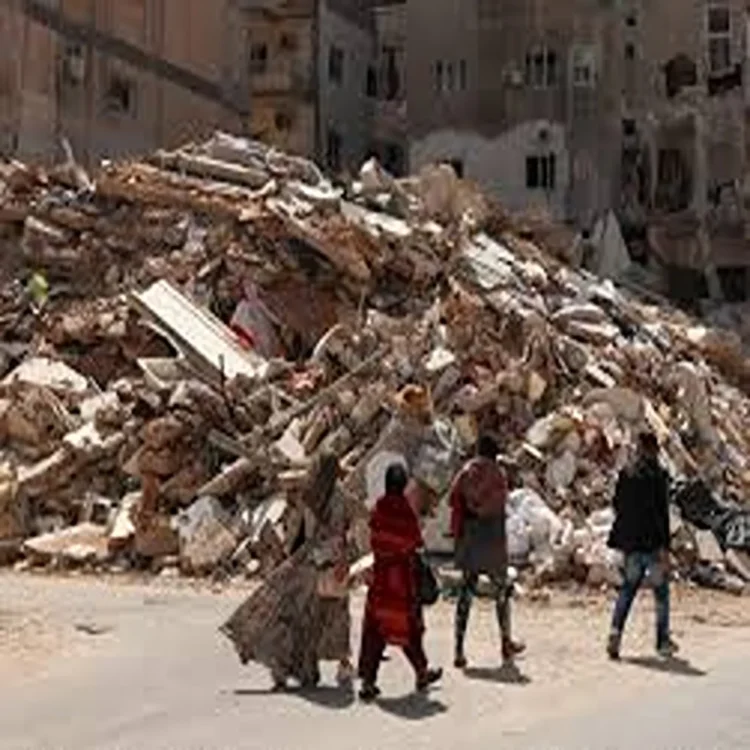
On the humanitarian front, the consequences are becoming increasingly severe. Thousands of buildings have been damaged, and large populations are at risk of displacement. Aid organizations warn that prolonged conflict could trigger a wider crisis, affecting millions across borders.
Casualty figures continue to rise across multiple countries, including military personnel and civilians. The expanding scope of the conflict highlights the urgent need for de-escalation to prevent further loss of life and economic disruption.