
GlobalConflict – Israel Expands Strikes on Iran as Tensions Deepen
GlobalConflict – The conflict between Israel and Iran intensified early Friday as fresh military strikes targeted areas within Tehran, just hours before a scheduled United Nations Security Council discussion on attacks involving civilian infrastructure. With diplomatic efforts stalled between Iran and the United States, the situation is increasingly raising concerns about a broader regional escalation.
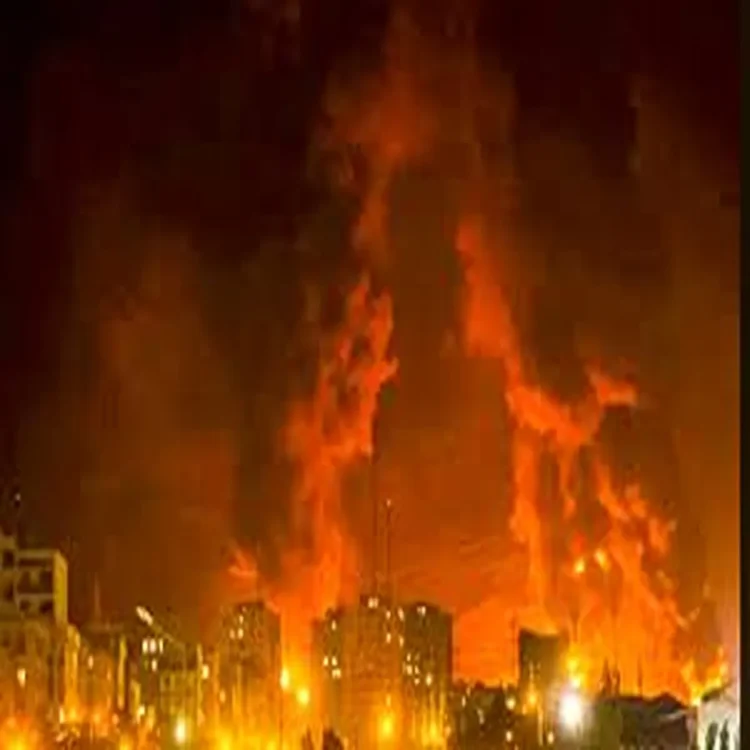
Israeli Strikes Reach Central Tehran
Israel confirmed that its latest military operation focused on key sites “in the heart of Tehran,” signaling a shift toward more aggressive targeting. Officials had earlier indicated plans to step up operations against Iran’s weapons production network. However, specific details regarding the exact locations or damage caused by Friday’s strikes were not immediately disclosed.
At the same time, smoke was reported over Beirut, although Israeli authorities did not confirm any direct strike on the Lebanese capital. In Israel, air raid sirens were activated as defense systems were deployed to intercept incoming Iranian missiles.
Regional Spillover Raises Concerns
The conflict has continued to spread beyond the immediate borders of Israel and Iran. Reports indicated that Iran launched drones and missiles toward Gulf nations, including Kuwait and the United Arab Emirates. These developments highlight the growing regional dimension of the crisis, with multiple countries now facing direct security threats.
The expansion of hostilities has increased fears that the conflict could destabilize key economic and energy corridors in the region.
Diplomatic Deadlock Between US and Iran
Efforts to secure a ceasefire have so far failed. The United States has proposed a detailed 15-point plan aimed at halting hostilities and addressing concerns over Iran’s nuclear activities, while also calling for the reopening of the Strait of Hormuz.
Iran, however, has rejected the proposal and presented its own five-point framework. Tehran’s conditions include demands for compensation and formal acknowledgment of its control over the strategic waterway.
Despite ongoing diplomatic exchanges, neither side appears willing to compromise, leaving negotiations at an impasse.
Military Build-Up Signals Possible Escalation
Amid the stalled talks, the United States has increased its military presence in the region. Several naval vessels carrying approximately 2,500 Marines have moved closer to the conflict zone. Additionally, around 1,000 paratroopers from the 82nd Airborne Division have been deployed, signaling preparations for potential rapid-response operations.
This military build-up suggests that Washington is keeping multiple options open, including the possibility of direct intervention if tensions continue to rise.
Global Markets React to Rising Uncertainty
The ongoing conflict has already begun to impact global financial markets. Following a sharp decline on Wall Street, Asian markets also saw losses amid growing uncertainty about the conflict’s trajectory.
Oil prices have surged significantly, with Brent crude reaching $107 per barrel during morning trading. Prices have risen more than 45 percent since the conflict began in late February, reflecting concerns over supply disruptions linked to the Strait of Hormuz.
Strategic Importance of the Strait of Hormuz
Iran’s control over the Strait of Hormuz has become a central issue in the crisis. The waterway is one of the world’s most critical النفط transit routes, and any disruption could have far-reaching consequences for global energy supplies.
Reports suggest that Iran has begun imposing transit fees on vessels passing through the strait, a move seen by analysts as part of a broader strategy to exert economic pressure on the international community.
Rising Casualties Across the Region
The human toll of the conflict continues to climb. Iranian authorities report that more than 1,900 people have been killed since the fighting began. In Israel, at least 18 civilians have died, along with three soldiers in Lebanon.
Additional casualties include 13 American troops and dozens of others across the region, including in Lebanon, Iraq, and the occupied West Bank. The widening scope of the conflict underscores its growing humanitarian impact.
UN Security Council to Address Crisis
In response to the escalating violence, the United Nations Security Council has scheduled a closed-door session to discuss the situation. The meeting was requested by Russia and organized under the current U.S. presidency of the council.
Diplomats are expected to address concerns about strikes on civilian infrastructure and explore possible steps to de-escalate the crisis. However, with positions deeply divided, a breakthrough remains uncertain.