
Fertilizer Crisis – Global Farmers Face Rising Costs Amid Iran Conflict
Fertilizer Crisis – Farmers across multiple regions are grappling with mounting challenges as tensions involving Iran disrupt critical supply chains, pushing up fuel and fertilizer costs at a crucial time for agriculture.
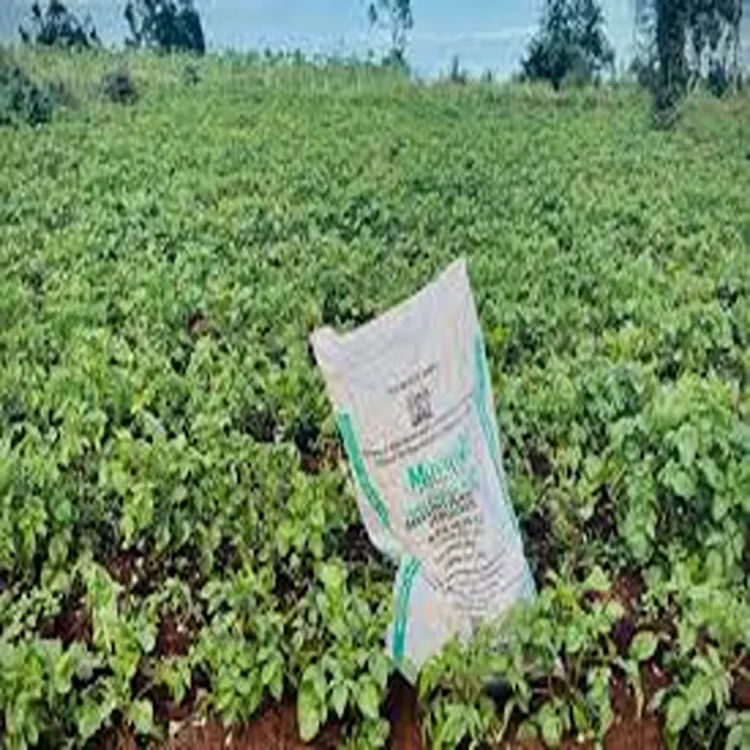
Supply Disruptions Hit Farmers at Critical Planting Period
The ongoing conflict has significantly affected the flow of goods through the Strait of Hormuz, a vital maritime route for energy and agricultural inputs. With shipping activity restricted, the availability of essential fertilizers has declined sharply just as planting season begins in many parts of the world.
Carl Skau from the World Food Program warned that the timing could not be worse. Farmers, particularly in developing countries, are already dealing with unpredictable weather and rising temperatures. The added pressure of limited fertilizer access could reduce crop yields or increase production costs, ultimately affecting global food prices.
Indian Farmers Express Growing Concern
In India’s Punjab region, rice farmer Baldev Singh highlighted the uncertainty faced by small-scale farmers. He noted that many depend heavily on government subsidies to afford fertilizers. If supply shortages coincide with peak demand in the coming months, farmers may struggle to sustain their operations.
India has taken steps to prioritize domestic fertilizer production, especially urea, and continues to subsidize a large portion of input costs. However, some manufacturing plants are operating below full capacity, which has limited overall output.
Key Nutrients Face Supply Pressure
The conflict has disrupted the trade of nitrogen-based fertilizers, particularly urea, which plays a central role in crop growth. Rising natural gas prices—an essential component in urea production—have further intensified the situation.
According to industry analysts, nearly one-third of global urea trade has been affected. Countries heavily dependent on imports are already facing shortages. For example, Ethiopia relies on the Gulf region for the vast majority of its nitrogen fertilizer supply, leaving it vulnerable to current disruptions.
Phosphate fertilizers, crucial for root development, are also under strain. The Gulf region is a major exporter of both phosphate and sulfur, another key agricultural input, and any slowdown in exports has wide-reaching consequences.
Delays Impact Crop Growth and Yields
Fertilizers are typically applied during the early stages of planting. Any delay in supply can limit crop development and reduce overall yields, even if materials become available later. Farmers in Europe and North America are already reporting challenges as the planting season progresses.
Agricultural engineer Dirk Peters, based near Berlin, emphasized the importance of timely fertilizer application. He explained that crops require nutrients early to establish strong growth, which directly impacts harvest outcomes later in the season.
Economic Pressure on Farmers Increasing
While fertilizer prices remain below the peaks seen in previous global crises, farmers are now facing lower crop prices, tightening their margins. This has forced some to reconsider planting strategies, including shifting to crops that require fewer inputs or reducing fertilizer usage altogether.
Experts warn that such adjustments could lead to lower agricultural output, which may eventually translate into higher food costs for consumers worldwide.
Limited Alternatives for Supply Replacement
Other major producers are unlikely to fill the supply gap quickly. China, a leading fertilizer producer, is currently focusing on meeting domestic demand. Meanwhile, Russia’s production facilities are already operating near maximum capacity, leaving little room for additional exports.
Even after the conflict subsides, shipping through the Strait of Hormuz may take time to normalize due to security concerns and increased insurance costs for transport vessels.
Developing Nations Face Greater Risks
The impact is particularly severe in parts of Africa, where many farmers depend on imported fertilizers. In East Africa, for instance, weather conditions have created a narrow window for planting, making timely fertilizer access even more critical.
Agricultural leaders in the region report that even short delays can significantly reduce crop yields. Research suggests that maize production can drop noticeably if fertilizers are not applied on time.
Governments are exploring solutions such as subsidies, boosting local production, and regulating exports. However, these measures often come with trade-offs, including reduced investment in long-term agricultural development.
A Potential Shift Toward Sustainable Practices
Some experts see the current crisis as an opportunity to rethink reliance on imported fertilizers. Encouraging the use of organic alternatives and strengthening local supply chains could help reduce vulnerability to global disruptions.
As Oliver Oliveros of the Agroecology Coalition noted, this situation may prompt a broader transition toward more resilient and sustainable farming systems.