
Taiwan – Chinese Military Activity Near Island Raises Fresh Tensions
Taiwan – Taiwan’s Ministry of National Defence reported increased military movement by China near its territory early Friday, highlighting ongoing tensions in the region. According to official data, six aircraft from the People’s Liberation Army (PLA), along with ten naval vessels and two government ships, were detected operating close to the island.
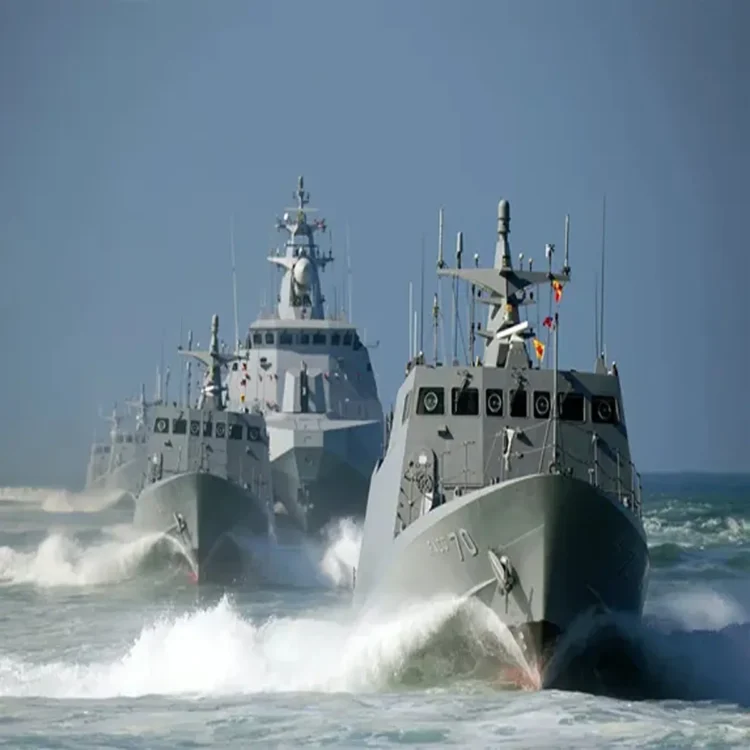
Air and Naval Movements Near Taiwan
The ministry stated that four of the six aircraft crossed the median line of the Taiwan Strait, a sensitive and unofficial boundary that has long served as a buffer between the two sides. These aircraft then entered Taiwan’s southwestern and eastern Air Defence Identification Zone (ADIZ), prompting monitoring and response measures from Taiwan’s armed forces.
Officials confirmed that the situation was closely tracked, with appropriate defensive actions taken to ensure national security. The movements were observed until 6 a.m. local time, reflecting a continued pattern of Chinese military presence in the area.
Strategic Significance of the Median Line
The crossing of the median line is considered particularly significant, as it represents a shift from earlier informal understandings aimed at reducing direct military confrontation. In recent years, such crossings have become more frequent, raising concerns about escalation and miscalculation in one of Asia’s most sensitive geopolitical hotspots.
Taiwan’s defence authorities have repeatedly emphasized their commitment to maintaining stability while remaining vigilant against potential threats.
Historical Roots of the Dispute
The dispute over Taiwan’s status has deep historical origins. China’s claim dates back to the late 17th century, when the Qing Dynasty brought Taiwan under its control after defeating Ming loyalists. However, governance during that period remained limited, and Taiwan was not fully integrated into the empire.
A major turning point came in 1895, when China ceded Taiwan to Japan following its defeat in the First Sino-Japanese War. The island remained under Japanese rule for five decades until the end of World War II, when control was transferred back to Chinese authorities. However, the legal framework surrounding this transfer has remained a subject of debate.
Emergence of Dual Governments
The modern political divide began in 1949, following the Chinese Civil War. The People’s Republic of China (PRC) was established on the mainland, while the Republic of China (ROC) government relocated to Taiwan. Both sides initially claimed to represent all of China, creating a complex situation of competing sovereignty claims.
Over time, Taiwan evolved into a self-governing entity with its own political system, military, and economy. Despite functioning independently, it has stopped short of formally declaring independence, largely due to concerns over potential military retaliation from Beijing.
Ongoing International Debate
Taiwan’s status continues to be a focal point in international relations, touching on issues of sovereignty, self-determination, and regional security. While China maintains that Taiwan is an integral part of its territory, Taiwan asserts its separate identity and democratic governance.
Global stakeholders closely watch developments in the Taiwan Strait, as any escalation could have far-reaching implications for international stability and economic activity, particularly given the region’s importance to global trade and technology supply chains.
Rising Military Activity Raises Concerns
The latest military activity underscores a broader trend of increased operations by Chinese forces near Taiwan. Analysts suggest that such actions are intended to signal strategic intent while testing Taiwan’s defence preparedness.
As both sides continue to navigate this complex relationship, the risk of misinterpretation or unintended escalation remains a key concern for regional and global observers.