
Finance – Audit Flags Mounting Debt and Recovery Lapses at Delhi Jal Board
Finance – The Comptroller and Auditor General of India has raised serious concerns about the financial management of the Delhi Jal Board, highlighting a sharp rise in unpaid loans and limited efforts to recover dues from consumers.
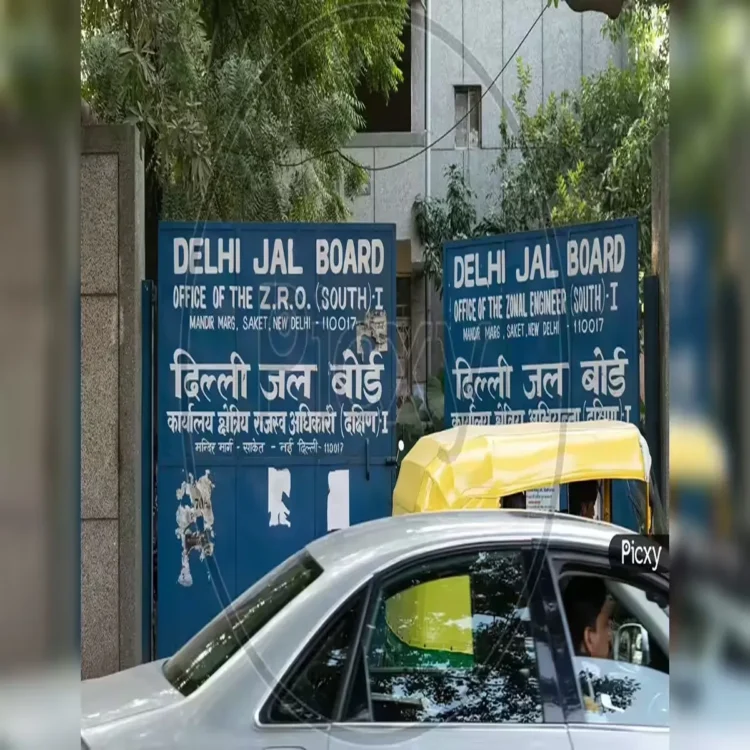
Audit Points to Rising Financial Burden
A recent audit report has revealed that the Delhi Jal Board accumulated a total liability of Rs 66,595 crore over a decade, combining both unpaid loans and interest. According to the findings, the utility has not made any repayments to the Delhi government since the financial year 2013–14. The report was formally presented in the Delhi Assembly, drawing attention to the growing fiscal pressure on the public utility.
The audit further noted a steady increase in the board’s loan burden. Outstanding loans rose from Rs 25,140 crore in April 2017 to Rs 34,540 crore by March 2022. In addition to the principal amount, interest liabilities alone stood at Rs 32,055 crore as of March 31, 2022, significantly contributing to the overall debt.
Response from Delhi Jal Board
In its response to the audit observations, the Delhi Jal Board maintained that it operates as a non-profit entity tasked with delivering essential water services to over 2.6 million consumers across the capital. Officials stated that the revenue generated from water supply is insufficient to cover operational costs as well as loan repayments.
The board explained that it relies heavily on financial assistance from the Delhi government in the form of loans to sustain its operations. Given the nature of its public service mandate, it argued that expecting full repayment may not be practical. As a result, the board has urged the government to consider converting these loans into grants. However, no final decision has been taken on this proposal so far.
Audit Rejects Justification, Calls for Reforms
The audit authority did not accept the board’s explanation, pointing out gaps in financial discipline and operational strategy. It emphasized that the Delhi Jal Board had not taken adequate steps to revise water and sewage tariffs periodically, which could have helped improve revenue generation.
Additionally, the report highlighted a lack of effective measures to recover outstanding payments from consumers. The absence of a structured recovery mechanism has further aggravated the financial strain on the organization. The issue was formally referred to the Delhi government in July 2023 for further consideration and action.
Need for Stronger Financial Management
The findings underscore the importance of improving financial planning and accountability in public utilities. Experts suggest that balancing affordability for consumers with sustainable revenue models remains a key challenge for urban service providers.
Strengthening billing systems, improving collection efficiency, and adopting periodic tariff revisions are often considered essential steps in ensuring long-term viability. Without such measures, continued reliance on government funding may increase fiscal pressure on public finances.
The audit report serves as a reminder of the need for structural reforms and better governance practices in essential service agencies, particularly those handling large-scale public resources.