
Politics – Parliament Schedule Revised Amid Festivals and Legislative Updates
Politics – Parliament’s ongoing session has been adjusted following consultations and upcoming religious observances, with key announcements also made on education and security legislation.
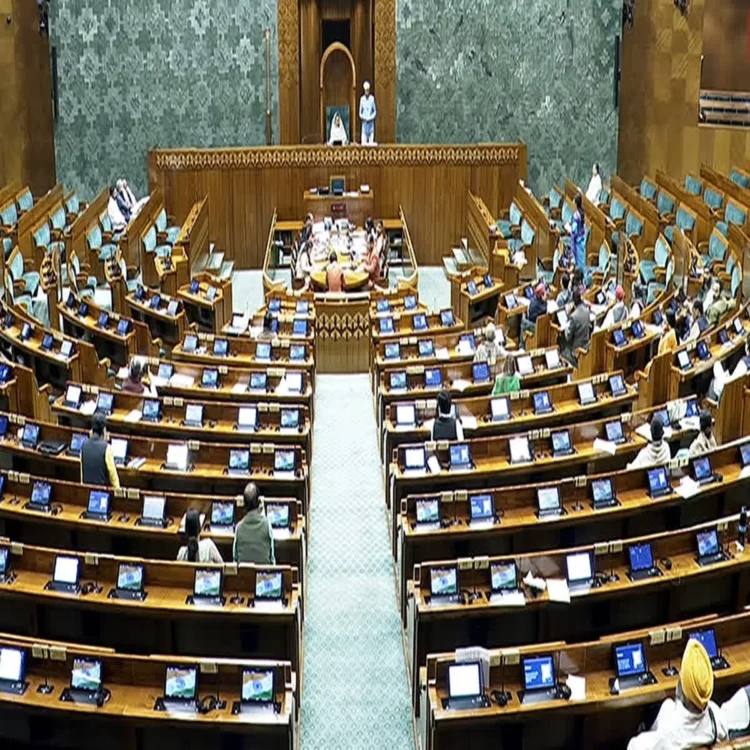
Weekend sittings cancelled after panel discussions
The Centre has decided not to hold Parliament sittings over the upcoming weekend, reversing an earlier plan. Parliamentary Affairs Minister Kiren Rijiju informed the Lok Sabha that both Houses will remain closed on Saturday and Sunday after members of the Business Advisory Committees expressed reservations about convening during that period.
The session had already seen interruptions last week due to festival-related holidays, when proceedings were suspended on Thursday and Friday. Initially, the government intended to compensate for the lost time by scheduling weekend sittings on March 28 and 29. However, following discussions with parliamentary panels, the proposal was dropped.
Rijiju further clarified that Parliament will also remain adjourned on Thursday in view of Ram Navami and again on March 31 to mark Mahavir Jayanti. Despite these changes, the broader timeline of the session remains intact, with proceedings set to conclude on April 2 as originally planned when the session began in late January.
Government pushes digital connectivity in schools
In a separate development, the Union government has outlined a major push to digitally empower government schools across the country. Speaking in the Rajya Sabha, Education Minister Dharmendra Pradhan said funds have been earmarked to ensure internet access reaches all government-run schools.
He highlighted the importance of integrating classrooms with global digital platforms, noting that technology can play a crucial role in reducing educational disparities. According to the minister, efforts are underway to provide students and teachers with better digital tools and connectivity, enabling improved learning outcomes.
Alongside connectivity, the government is expanding its Atal Tinkering Labs initiative aimed at encouraging innovation and hands-on learning among students. Pradhan stated that approximately 10,000 such labs are already operational, with a target of establishing 50,000 labs over the next five years. The initiative is expected to strengthen scientific curiosity and problem-solving skills among schoolchildren.
New CAPF legislation tabled amid Opposition protests
Meanwhile, the government introduced the Central Armed Police Forces (General Administration) Bill, 2026 in the Rajya Sabha. The Bill was presented by Minister of State for Home Affairs Nityanand Rai and cleared for introduction through a voice vote, despite objections raised by Opposition members.
The proposed legislation aims to create a common administrative framework for Central Armed Police Forces while preserving the operational powers of individual forces. According to the government, the move is intended to streamline governance and improve coordination across different units.
During the debate, Opposition parties voiced concerns regarding the legal and constitutional aspects of the Bill, citing previous Supreme Court observations. However, Union Minister Kiren Rijiju defended the government’s position, asserting Parliament’s authority to enact such laws.
The introduction of the Bill led to brief disruptions in the House, reflecting continuing tensions between the government and Opposition over legislative priorities.
Session continues amid policy focus and disruptions
Despite intermittent adjournments and scheduling changes, the current Parliament session continues to address a range of legislative and policy matters. The government has maintained that its agenda remains on track, while Opposition parties continue to press for greater scrutiny and debate on key issues.
With only a few days remaining before the session concludes, attention is expected to remain on pending bills, policy announcements, and discussions that could shape upcoming legislative priorities.