
GlobalSecurity – Iran Signals Wider Retaliation Targeting Tourist Sites
GlobalSecurity – Iran has issued a fresh warning that its retaliatory actions could extend beyond conventional military and energy targets, raising concerns about the safety of public and recreational spaces worldwide. According to reports, a senior Iranian military official indicated that locations such as parks and tourist attractions may no longer be considered secure for countries viewed as adversaries.
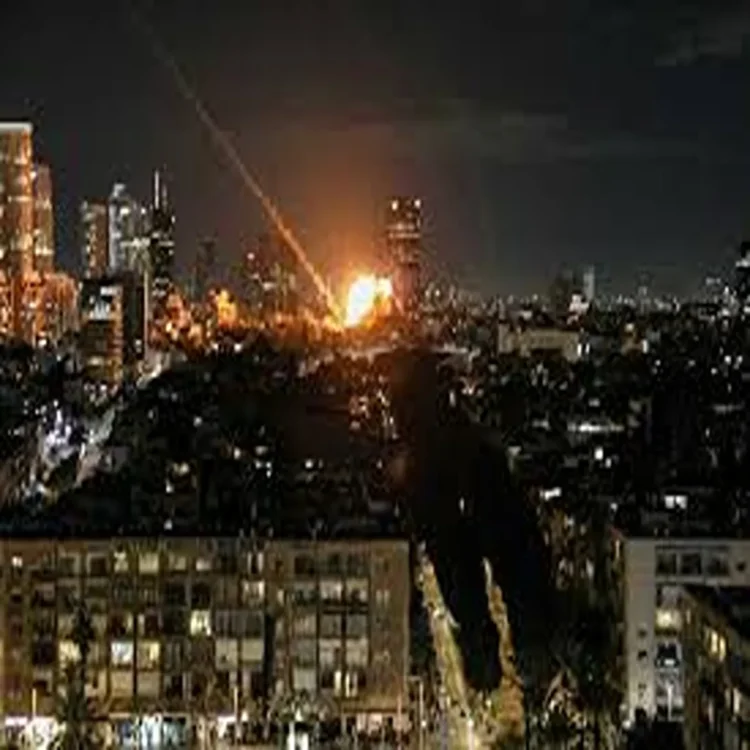
Warning Expands Scope of Potential Targets
General Abolfazl Shekarchi, a leading military spokesperson for Iran, stated that areas typically associated with leisure and tourism could become part of future responses. His remarks suggest a potential shift in strategy, where retaliation may no longer remain confined to military or industrial infrastructure. This development has prompted renewed global attention, particularly among countries already monitoring tensions in the region.
Concerns Over Asymmetric Strategy
Security analysts believe the statement reflects the possibility of Iran turning again to asymmetric tactics. Such methods often involve unconventional targets and operations outside traditional battlefields, which can increase unpredictability. Observers note that similar approaches have been used in the past to apply pressure beyond immediate conflict zones.
Energy Infrastructure Attacks Intensify
Recent developments indicate a sharp escalation in attacks on energy facilities in Gulf countries. These actions follow an earlier strike on Iran’s South Pars offshore gas field, one of its most significant energy assets. In response, Iran has reportedly increased its focus on critical oil and gas infrastructure across the region.
One of the most notable incidents occurred early Friday, when drone strikes targeted a major oil refinery in Kuwait. The Mina Al-Ahmadi refinery, known for its large processing capacity, was hit in two separate waves, leading to a fire. While the extent of the damage is still being assessed, the attack has heightened concerns about the vulnerability of key energy installations.
Oil Supply Statement Counters US Claims
Amid these developments, Iran has also addressed speculation regarding its oil reserves. Officials stated that the country currently does not have excess crude oil available for international markets. This response came after comments from a US official suggested the possibility of easing restrictions on Iranian oil shipments.
Iran’s Oil Ministry spokesperson clarified through a public statement that such claims were misleading and intended to influence market sentiment rather than reflect actual supply conditions.
Warning to UAE Raises Regional Stakes
Tensions have also extended to the United Arab Emirates. Iran issued a direct warning, stating that any further actions originating from UAE territory against Iranian-controlled islands in the Persian Gulf would prompt a strong response. Specifically, officials mentioned Ras al-Khaimah as a potential target in the event of renewed conflict.
These islands hold strategic importance due to their proximity to the Strait of Hormuz, a critical maritime route through which a significant portion of global oil and gas supplies pass. Any instability in this area could have broader implications for international trade and energy markets.
Drone Interception Highlights Ongoing Risks
Earlier this month, authorities in the UAE reported intercepting a drone over Ras al-Khaimah, with debris landing in a residential area. While no major casualties were reported, the incident underscored the growing risks associated with escalating tensions in the Gulf region.
Rising Global Attention
The combination of threats targeting civilian spaces, increased attacks on energy infrastructure, and warnings directed at neighboring countries has drawn international concern. Governments and security agencies are closely monitoring the situation, particularly given the potential for disruptions beyond the Middle East.
As tensions continue to evolve, the possibility of broader implications for global security, travel safety, and energy stability remains a key concern for policymakers and observers alike.