
MiddleEast – UAE and US Leaders Discuss Security, Iran Tensions Rise
MiddleEast – The President of the United Arab Emirates, Mohamed bin Zayed Al Nahyan, held a phone conversation with former US President Donald Trump to review recent developments in the Middle East and their broader implications for international peace. The discussion focused on escalating regional tensions and the need for coordinated efforts to maintain stability.
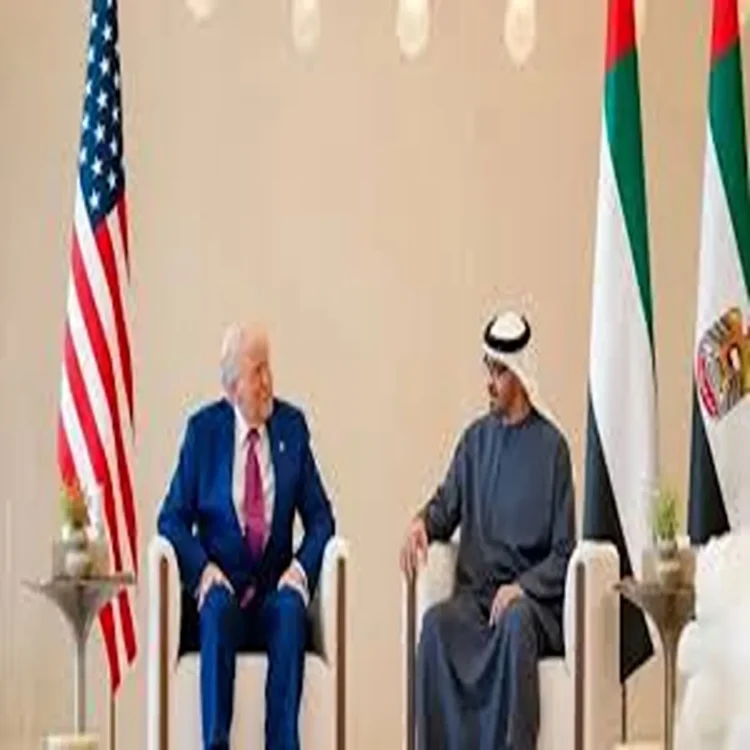
Leaders Address Regional Security Concerns
During the call, both leaders examined the current security situation across the region, particularly in light of ongoing conflicts and geopolitical shifts. They expressed concern over developments that could further destabilize the Middle East, emphasizing the importance of diplomacy and cooperation among allied nations.
Reports indicated that a significant portion of the conversation centered on actions attributed to Iran, which were described as repeated and direct threats to several countries, including the UAE. These actions were said to target civilian populations as well as critical infrastructure, raising concerns about violations of international law and national sovereignty.
US Reaffirms Support for UAE and Allies
In response to these developments, Donald Trump strongly criticized the reported attacks and reiterated the United States’ commitment to supporting the UAE and its regional partners. He emphasized that the US stands firmly with its allies in safeguarding their territorial integrity, ensuring national security, and preserving regional stability.
The call highlighted the long-standing strategic relationship between the UAE and the United States, with both sides reaffirming their shared interest in countering threats and maintaining peace in a volatile region.
UAE Disrupts Alleged Foreign-Backed Network
Separately, the UAE’s state security authorities announced the dismantling of a network believed to be operating within the country with external backing. According to official statements, the group was allegedly linked to Lebanon’s Hezbollah and supported by Iran.
Authorities stated that the network had been functioning under the cover of legitimate commercial activities. Its operations reportedly aimed to infiltrate the UAE’s economic system and carry out activities that could weaken financial stability and national security.
Allegations of Money Laundering and Terror Financing
Investigators revealed that the group was part of a broader, pre-planned strategy involving foreign entities. The network was accused of violating economic regulations and legal frameworks to facilitate money laundering and provide funding for activities considered harmful to national security.
Officials described the operation as a serious threat, noting that such activities not only undermine economic systems but also pose risks to public safety and regional peace.
While authorities confirmed that several individuals had been taken into custody, specific details regarding their identities or nationalities were not disclosed. However, an image released through official channels showed multiple suspects detained, suggesting a coordinated enforcement action.
Rising Humanitarian Concerns in Lebanon
Meanwhile, the situation in Lebanon continues to worsen amid intensified military operations. Since early March, the death toll has surpassed 1,000, with thousands more reported injured. The escalation has also led to widespread displacement, with over one million people forced to leave their homes.
The growing humanitarian crisis has added another layer of urgency to regional discussions, as leaders grapple with both security challenges and the need for relief efforts.
Ongoing Focus on Stability and Cooperation
The recent developments underscore the fragile nature of the Middle East’s security landscape. As tensions persist, regional and global leaders continue to stress the importance of collaboration, adherence to international law, and measures aimed at preventing further escalation.
The UAE and the United States, through ongoing dialogue and cooperation, appear committed to addressing these challenges while supporting broader efforts to restore stability across the region.