
GudiPadwa – Nagpur Welcomes New Year With Grand Cultural Procession
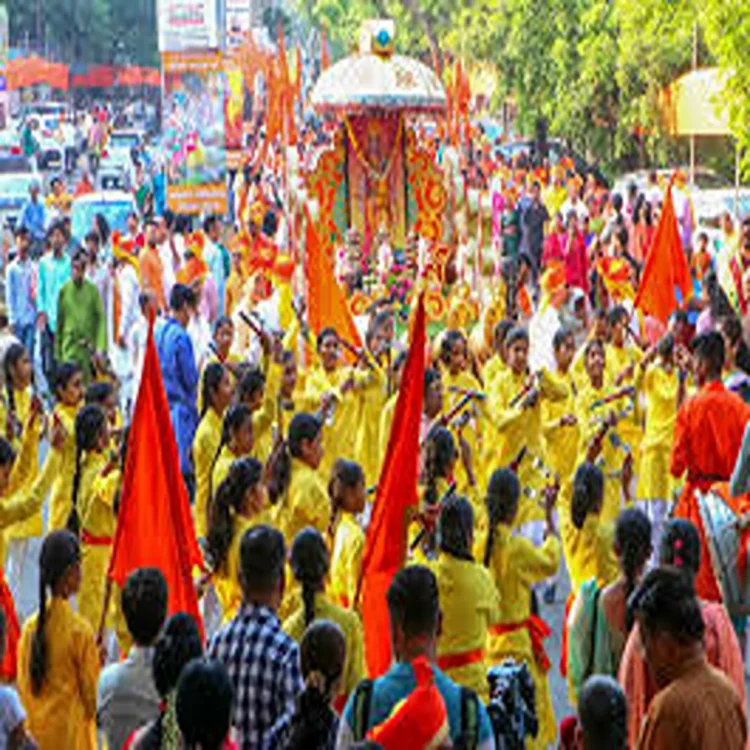
GudiPadwa – The city of Nagpur marked the arrival of Gudi Padwa on Thursday with vibrant celebrations, as thousands gathered to take part in a grand traditional procession that signalled the beginning of the Marathi New Year. Streets were filled with colour, music, and cultural performances, reflecting a deep sense of tradition and collective participation across age groups.
A city immersed in festive spirit
From early morning, the atmosphere across Nagpur turned celebratory, with residents stepping out in traditional attire to join the shobha yatra. The procession moved through key parts of the city, drawing enthusiastic crowds and creating a lively environment. Decorative elements, rhythmic beats, and coordinated performances contributed to the overall festive mood.
Children played a significant role in energising the event, particularly through performances of the traditional lezim dance. Their participation brought a sense of excitement and continuity, highlighting how cultural practices are passed down through generations.
Leaders join citizens in celebration
Senior political leader Devendra Fadnavis took part in the procession alongside residents, sharing the festive spirit with the community. Speaking during the event, he conveyed his greetings on the occasion of the Hindu New Year and expressed appreciation for the scale and enthusiasm of the celebrations.
He also acknowledged the efforts behind organising the annual procession, noting that the event has grown into a significant cultural highlight for the city. According to him, the widespread participation and traditional dress worn by attendees created a visually striking scene, symbolising unity and pride.
Cultural displays reflect heritage
The procession showcased a diverse range of cultural elements, including traditional lezim groups and Varkari participants. Several tableaux depicting historical and spiritual figures added depth to the celebration, offering glimpses into Maharashtra’s rich cultural and historical legacy.
Among the figures represented were Lord Ram and Chhatrapati Shivaji Maharaj, both of whom hold deep significance in regional history and cultural identity. These displays were carefully designed and drew attention from onlookers throughout the route.
Marathi film actor Sai Tamhankar also joined the event, adding a touch of public interest and encouraging wider participation among attendees.
Organised effort behind large-scale event
The celebrations were coordinated by the Hindu Nav Varsh Aayojan Samaroh Samiti, which has been actively involved in organising such events over the years. The committee aimed to bring together people from different backgrounds to celebrate the occasion collectively, reinforcing shared cultural values.
Participants and organisers alike emphasised the importance of preserving traditions while ensuring inclusive participation. The event was seen not only as a religious or cultural observance but also as an opportunity to strengthen community bonds.
A reflection of unity and tradition
Overall, the Gudi Padwa celebrations in Nagpur highlighted the city’s cultural vibrancy and strong sense of togetherness. The large turnout, combined with traditional performances and symbolic displays, reflected a continued commitment to celebrating heritage in a modern urban setting.
As the Marathi New Year begins, such events serve as a reminder of the importance of cultural continuity and collective celebration, bringing communities closer through shared traditions.