
MiddleEast – Macron Urges Iran to End Regional Attacks After Phone Call
MiddleEast – French President Emmanuel Macron said he spoke with Iranian President Massoud Pezeshkian and urged Tehran to halt attacks across the Middle East, warning that continued escalation could push the region deeper into instability.
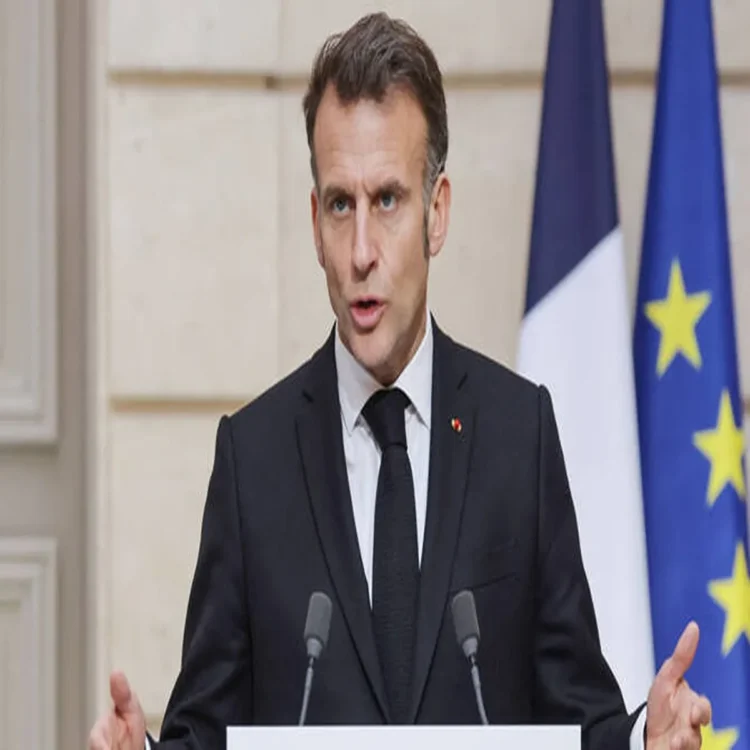
The conversation, which Macron later referenced in a public statement, focused on growing security concerns, maritime safety in the Strait of Hormuz, and the broader impact of regional hostilities.
Macron Calls for Immediate Halt to Regional Attacks
During the phone call, Macron urged Iran to stop what he described as ongoing attacks carried out either directly or through allied groups across several parts of the Middle East.
According to the French leader, these actions include operations linked to Iran in countries such as Lebanon and Iraq. Macron said such activities are unacceptable and are contributing to heightened tensions throughout the region.
He stressed that continued attacks risk worsening an already fragile security environment and could draw more countries into conflict.
France Emphasises Defensive Approach
Macron also clarified France’s position, saying Paris is acting solely to defend its national interests and protect regional partners.
He noted that France’s actions in the region are intended to safeguard maritime security and maintain stability rather than escalate confrontation.
The French president stated that any threats targeting France or its partners are unacceptable and reiterated that maintaining freedom of navigation remains a priority for the country.
Warning Over Regional Instability
Macron warned that the ongoing escalation of hostilities could have long-term consequences for the entire Middle East.
He said that rising tensions are not only destabilising governments and institutions but are also affecting ordinary citizens across the region. According to Macron, the Iranian population and other communities in the Middle East are already facing the consequences of growing instability.
He added that if the current trajectory continues, the effects could last for years and significantly reshape regional security dynamics.
Call for Broader Political and Security Framework
The French president also highlighted the need for a comprehensive political and security framework aimed at ensuring lasting peace in the Middle East.
According to Macron, such a framework should address concerns related to Iran’s nuclear ambitions while also dealing with its ballistic missile programme and broader regional activities.
He said international efforts should focus on creating mechanisms that prevent nuclear proliferation while simultaneously reducing tensions across the region.
Focus on Strait of Hormuz Navigation
Macron also stressed the importance of restoring full freedom of navigation in the Strait of Hormuz, one of the world’s most critical shipping routes for energy supplies.
A significant portion of global oil shipments passes through the narrow waterway each day, making its security vital for international markets and global trade.
Macron said that ensuring safe passage through the strait should be an urgent priority for the international community.
Request for Release of Detained French Nationals
During the call, Macron also raised the issue of two French citizens currently detained in Iran — Cecile Kohler and Jacques Paris.
He urged Iranian authorities to allow the pair to return safely to France, saying their detention has continued for too long and that they should be reunited with their families.
The French government has repeatedly called for their release in recent months.
Iranian Strikes on US Military Bases
Meanwhile, reports indicate that Iran’s Islamic Revolutionary Guard Corps (IRGC) and its naval forces recently carried out coordinated missile and drone strikes targeting four United States military bases in the region.
According to statements attributed to the IRGC, the attacks were aimed at several key facilities, including command centres, air traffic control systems and air defence infrastructure connected to US operations.
Iranian officials claimed that the strikes were conducted simultaneously by multiple units and that the targeted bases sustained significant damage.
Claims of Extensive Damage to Military Infrastructure
The IRGC also stated that satellite imagery suggested widespread damage to strategic radar systems and other important facilities at the targeted bases.
According to Iranian claims, a large proportion of radar installations and other critical points connected to US military infrastructure were destroyed during the strikes.
However, independent verification of the extent of the damage has not yet been publicly confirmed.
As tensions continue to rise across the Middle East, diplomatic engagement between global leaders and regional powers is expected to remain crucial in preventing further escalation.