
GasSupply – Chennai Restaurants Reduce Menus as Cooking Gas Shortage Deepens
GasSupply – A shortage of cooking gas cylinders is increasingly affecting everyday life in Chennai, with restaurants, bakeries, and tea stalls across the city struggling to keep their kitchens running. Several food establishments have begun cutting down operations, while others have turned to alternative cooking methods such as firewood and electric stoves to manage the situation.
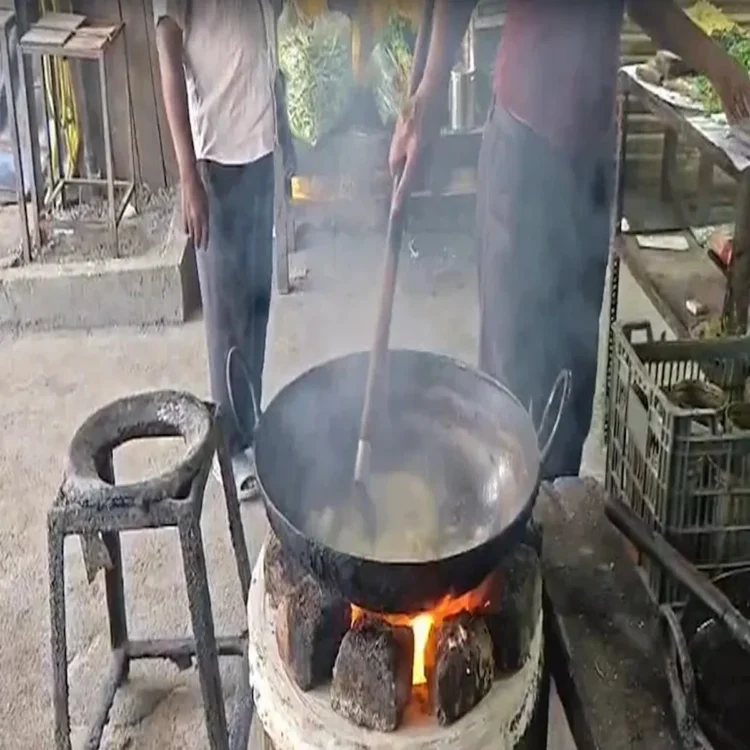
The problem is not limited to businesses. Supplies of domestic cooking gas cylinders have also been affected, raising concerns among households and small eateries alike. Industry officials say the issue is linked to disruptions in global fuel supply chains connected to the ongoing conflict in parts of West Asia.
Subheading: Supply Chain Disruptions Behind Gas Shortage
India relies heavily on imported liquefied petroleum gas and refined petroleum products from countries including Kuwait, Qatar, and Saudi Arabia to meet its LPG requirements. These imports play a crucial role in maintaining steady supplies for both domestic consumers and commercial users.
However, the current geopolitical situation has created delays and restrictions in the supply chain. As shipments slow down, the availability of LPG has declined sharply. While authorities have stated that household gas supplies will remain a priority, the situation has significantly affected commercial cylinders used by restaurants and food businesses.
Subheading: Commercial Kitchens Face Immediate Impact
Following the government’s assurance to maintain LPG supply for households, several gas manufacturing companies have reportedly reduced or temporarily paused the production of commercial cylinders. This decision has made it difficult for restaurants, bakeries, and tea stalls in Chennai and surrounding areas to obtain the cylinders required for daily cooking.
Many establishments have been relying on their remaining gas stocks over the past few days. Once these reserves run out, businesses are forced to either suspend operations or drastically change their cooking methods.
Several small and mid-sized eateries have already closed temporarily after exhausting their supplies. Those that remain open have scaled back their menus in order to conserve fuel.
Subheading: Limited Menus in Many Restaurants
Lunch services in many Chennai eateries have become noticeably simpler. Traditionally, a typical meal includes multiple dishes such as sambar, different gravy curries, rasam, vegetable preparations, buttermilk gravy, and papad.
Currently, many restaurants are offering only a single gravy along with a chutney or basic side dish. Notices informing customers about the restricted menu options have appeared outside numerous establishments.
Some restaurants have shifted to preparing items that require less cooking time and fuel. Dishes such as tomato rice, tamarind rice, and lemon rice are becoming more common as they consume significantly less gas compared to traditional meals.
Subheading: Alternative Cooking Methods Being Used
The shortage has also forced many restaurant owners to explore other cooking methods. In several parts of the city, kitchens have begun using charcoal stoves, firewood, and electric cooking equipment to continue serving customers.
Popular food outlets in areas such as Nungambakkam and Egmore are among those adapting to these temporary measures. However, these alternatives come with their own challenges, including higher costs and slower cooking processes.
Demand for firewood has risen rapidly as more businesses turn to this option. Suppliers say the price of firewood has increased by roughly Rs 500 to Rs 1,000 per ton in just a few days due to the sudden surge in demand.
Subheading: Educational Institutions Also Affected
The cooking gas shortage has begun to impact educational institutions as well. Hostels attached to colleges and universities in Chennai are facing serious difficulties in preparing meals for students.
Some institutions have decided to close hostels temporarily and continue academic activities through online classes. One private medical college in the city announced that regular classroom sessions would remain suspended from March 12 to March 25 because of the cooking gas shortage.
According to an official circular issued by the administration, students living in hostels have been instructed to vacate their rooms during this period. Faculty members and staff, however, will continue their duties on campus as usual.
Restaurant associations have warned that if the supply of commercial LPG cylinders does not improve soon, many food establishments may be forced to shut down operations entirely, which could further affect the city’s food service sector.