
MiddleEastConflict – Israel Reports Heavy Iranian Military Losses Amid Escalating Strikes
MiddleEastConflict – Israel’s military says it has killed nearly 1,900 Iranian soldiers and commanders since the latest round of fighting began, as the confrontation between the two countries intensifies. Israeli military spokesperson Effie Defrin shared the estimate during a briefing on Monday, stating that Israeli forces remain focused on eliminating threats posed by Iran and its regional allies.
The spokesperson also indicated that Israel has not ruled out targeting any Iranian leadership figures if they are believed to pose a security threat. His remarks came shortly after Iran announced the appointment of Mojtaba Khamenei as its new Supreme Leader.
Israeli Casualties Rise After Iranian Missile Attacks
During the same briefing, Defrin confirmed that an Iranian missile strike earlier on Monday resulted in another civilian death in Israel. The latest casualty raises the total number of civilians killed in Iranian attacks since the start of the conflict to 12.
In addition to those deaths, two Israeli soldiers were killed while fighting Hezbollah militants in Lebanon. Israeli authorities say the conflict now spans several fronts, including Iran, Lebanon, and Israeli territory.
The Israeli Health Ministry reported that 2,238 people have been taken to hospitals since joint US-Israeli strikes on Iran began on February 28. Of those injured, 91 individuals remain hospitalized, while the rest have been discharged after treatment.
Israeli Airstrikes Continue Across Key Iranian Cities
Israel’s air force continued its operations on Monday, carrying out strikes in several Iranian locations. According to Defrin, attacks targeted areas in Tehran, Isfahan, and parts of southern Iran.
Israeli officials say the strikes are aimed at weakening Iran’s military infrastructure and limiting its ability to support allied groups across the region.
Since the beginning of the joint offensive, Israeli aircraft have reportedly struck six Iranian military airports. The military also said it targeted a fleet of aircraft used by Iran’s Quds Force.
According to the Israeli military assessment, 16 cargo planes were destroyed during these operations. Officials claim these aircraft were being used to transport weapons and financial support to groups allied with Iran in the Middle East.
Hezbollah Positions Targeted in Lebanon
Israeli military operations have also expanded into Lebanon, where Hezbollah remains a key actor in the conflict. Defrin stated that Israeli airstrikes have targeted more than 700 Hezbollah locations across the country.
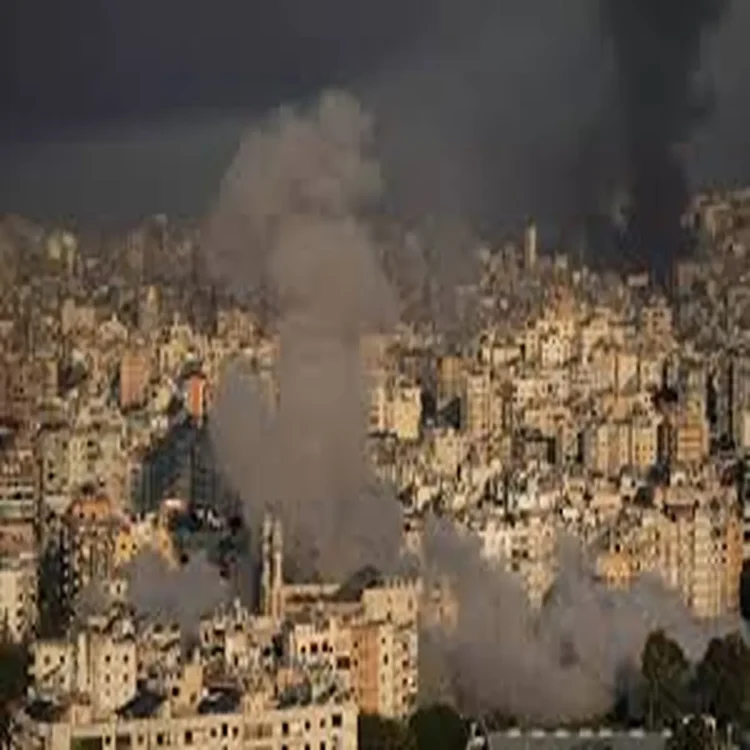
In Beirut, Israeli strikes reportedly hit 35 high-rise buildings that Israeli officials say were used by Hezbollah for operational purposes.
The Israeli military maintains that its actions are aimed at preventing Hezbollah from launching further attacks against Israeli territory.
Israel Signals Continued Military Operations
Israeli leaders say the campaign against Iranian and Hezbollah targets will continue for as long as necessary. During the briefing, Defrin emphasized that Israel’s operations are ongoing and remain focused on neutralizing perceived threats.
When asked about the possibility of targeting Iran’s newly announced Supreme Leader Mojtaba Khamenei, the spokesperson declined to rule it out. He stated that Israel would act against any individual considered a threat to its national security.
Mixed Signals From Washington on Timeline of Conflict
Meanwhile, comments from the United States have suggested differing views about how long the military campaign might continue.
On March 9, US President Donald Trump said the military operations involving the United States and Israel would conclude “soon.” Speaking to reporters in Florida, Trump suggested that many objectives had already been achieved.
However, when asked whether the strikes could end within the week, the president said that was unlikely, though he reiterated that the end of the operation could come “very soon.”
His remarks appeared to contrast with earlier comments by US Defense Secretary Pete Hegseth, who had warned that the broader conflict may only be at its early stages.
As the situation continues to evolve, military activity across the region remains intense, with both sides indicating that operations could persist depending on developments on the ground.