
SupremeCourt – Vikas Yadav Granted Furlough Until March 7 for Holi
SupremeCourt – The Supreme Court on Friday permitted convicted prisoner Vikas Yadav to step out of jail on furlough until March 7, allowing him to spend time with his family during the Holi festival. The decision came after Yadav approached the court seeking temporary release.
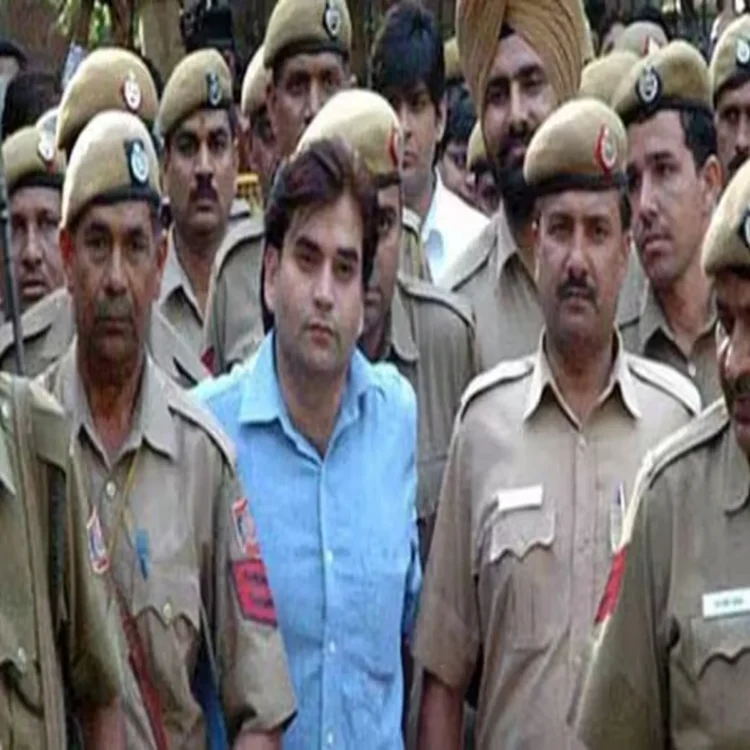
Bench Approves Temporary Relief
A two-judge Bench comprising Justice M.M. Sundresh and Justice Vipul M. Pancholi granted the relief without entering into the detailed merits of the case. The court noted that the application was made on the ground that Yadav wished to be with his family during Holi.
In its brief order, the Bench recorded that Yadav has already spent 23 years in incarceration. Taking this into account, the court allowed him to be released on furlough until March 7. Furlough is a short-term release granted to prisoners under specific conditions, enabling them to maintain family and social ties while serving their sentence.
Background of the Case
Vikas Yadav is serving a 25-year prison sentence without remission for his role in the 2002 abduction and murder of business executive Nitish Katara. The case drew nationwide attention due to the circumstances surrounding the crime and the individuals involved.
In May 2008, a trial court found Yadav guilty after concluding that there was sufficient evidence to prove his involvement in Katara’s killing. The prosecution argued that Katara was targeted because of his relationship with Bharti, who is Yadav’s sister and the daughter of Uttar Pradesh politician D.P. Yadav.
According to court findings, Katara was kidnapped and later murdered, an act that investigators described as being motivated by opposition to the relationship.
Supreme Court Verdict in 2016
The matter eventually reached the Supreme Court, which on October 3, 2016, upheld stringent punishment for those convicted in the case. The apex court awarded a 25-year jail term without the benefit of remission to Vikas Yadav and his cousin Vishal Yadav for their roles in the kidnapping and killing.
By denying remission, the court ensured that the convicts would serve the full term imposed, underscoring the gravity of the offence. The judgment was widely seen as a significant ruling in cases involving honour-based violence and serious criminal offences.
Legal Context of Furlough
Furlough differs from parole in that it is typically granted as part of a prisoner’s entitlement under prison rules, subject to certain conditions and behaviour records. Courts may intervene if there is a dispute regarding eligibility or if special circumstances are presented.
In this instance, the Supreme Court clarified that it was not re-examining the conviction or sentence. Instead, it considered the duration of imprisonment already undergone and the specific request to spend time with family during a major festival.
The order allows Yadav to remain out of custody only for the specified period, after which he must return to prison in accordance with the conditions set by authorities.
Continuing Public Interest
The Nitish Katara case has remained in public memory for more than two decades, reflecting broader discussions around criminal justice, accountability, and the legal system’s response to serious offences. The Supreme Court’s latest order relates solely to temporary release and does not alter the sentence previously imposed.
With the furlough granted until March 7, Yadav is expected to comply with all conditions attached to the temporary relief before resuming his sentence.