
Terrorism – Indian Agencies Intensify Vigil Over Neo-JMB Network
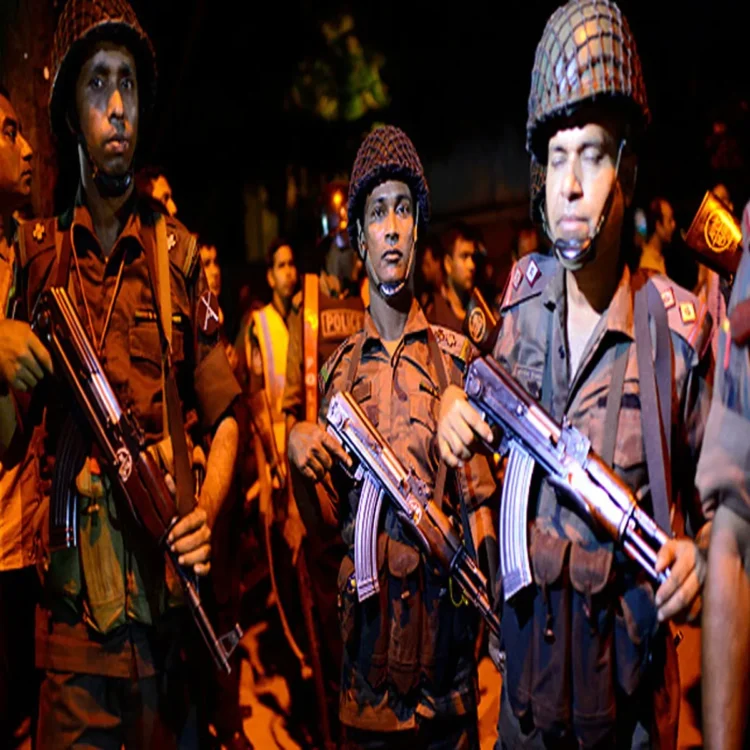
Terrorism – Indian security agencies have stepped up surveillance of the Jamaat-ul-Mujahideen Bangladesh network amid indications that the outfit is attempting to widen its presence beyond eastern India into several southern states. Officials tracking the developments say the group’s activities reflect a calculated effort to rebuild operational strength in the region.
Emerging Footprint in West Bengal
Investigators believe a faction known as Neo-JMB is currently active under a local coordinator identified as Salauddin Salehin. Intelligence assessments suggest he is hiding somewhere in West Bengal but does not remain in one place for long. According to officials, he frequently travels across states, particularly to areas with a sizeable Bangla-speaking workforce.
Security agencies have flagged his interactions with migrant labourers as part of a broader recruitment strategy. Officials note that his movements have been discreet, making detection challenging, though his activities remain under close watch.
Shift in Command Structure
The Neo-JMB is reported to operate under the banner of the Islamic State Bengal Province. The recent appointment of Sheikh Al Amin as the Dhaka commander is viewed by intelligence agencies as a turning point in the outfit’s functioning. Analysts point out that the original Jamaat-ul-Mujahideen Bangladesh had historically maintained links with Al Qaeda, but after 2015, segments of the organisation moved closer to the Islamic State framework.
An Intelligence Bureau officer said this transition marked a significant ideological and operational shift. Under the new leadership, expansion beyond traditional strongholds appears to be a priority.
Focus Expands to Southern States
While West Bengal and parts of the Northeast have long been viewed as vulnerable corridors, officials now believe the network is exploring southern India as well. Over the years, undocumented migrants from Bangladesh have relocated to states such as Tamil Nadu, Karnataka and Kerala in search of work.
Authorities say labour shortages in certain industries created opportunities for migrant workers to settle in large numbers. The presence of established Bengali-speaking communities made assimilation easier due to linguistic similarities. Security agencies suspect that extremist handlers are attempting to exploit these social networks for recruitment and logistical support.
Recruitment and Coercion Allegations
According to officials familiar with the investigation, Salehin allegedly met more than 100 undocumented migrants during visits to southern states. He is believed to have offered financial incentives to encourage cooperation. Investigators also allege that threats of exposing immigration status and possible deportation were used as leverage to pressure individuals into assisting the network.
Counterterrorism experts warn that the collaboration between the Islamic State Bengal Province and Neo-JMB could pose serious security challenges. They note that a similar alignment was linked to the 2016 attack on the Holey Artisan Bakery in Dhaka, one of Bangladesh’s deadliest terror incidents.
External Support and Explosive Concerns
Officials say that after maintaining a relatively low profile for several years, the network has shown signs of renewed activity. Intelligence inputs suggest that Pakistan’s Inter-Services Intelligence agency may have extended financial and logistical support. There are also indications that Lashkar-e-Taiba operatives have provided training assistance.
Recent developments in Bangladesh have further heightened concerns. An explosion at a madrasa in Keraniganj, near Dhaka, initially appeared accidental but later raised suspicions of explosive material handling. Investigators found that Triacetone Triperoxide, commonly known as TATP, may have been involved. The compound is highly unstable and has been used in previous extremist attacks.
Authorities also believe that dozens of improvised explosive devices were moved to safe locations within Bangladesh. Security agencies fear attempts could be made to smuggle such materials into India, explaining the heightened vigilance in border states.
Heightened Alert Ahead of Elections
With elections scheduled this year in Kerala, West Bengal and Tamil Nadu, agencies are maintaining increased surveillance. Officials suspect that public events during the election period could be targeted to create unrest.
Last week, eight individuals from Tamil Nadu and West Bengal were arrested following preliminary findings that pointed to a conspiracy to carry out attacks in New Delhi and other regions. Investigators say religious sites and prominent landmarks, including the Red Fort, were among the potential targets. Authorities believe the intention was to disrupt communal harmony.
Bilateral Cooperation in Focus
Security officials express confidence that India and Bangladesh will continue to coordinate closely to counter cross-border extremist threats. Bangladesh’s newly elected Prime Minister, Tarrique Rahman, has indicated a commitment to a Bangladesh-first policy while emphasising cooperation with neighbouring countries to maintain regional stability.
Agencies on both sides of the border maintain that joint intelligence sharing and coordinated operations remain crucial to preventing further escalation of extremist activity.