
Racism – Gaurav Gogoi Slams Abuse of Arunachal Women in Delhi
Racism – Congress leader Gaurav Gogoi has strongly criticised the alleged racial harassment of three women from Arunachal Pradesh in the national capital, describing the episode as a troubling sign that bias against people from the Northeast remains deeply rooted.
The incident, which reportedly occurred in South Delhi’s Malviya Nagar area, has drawn attention to issues of discrimination and safety for citizens from the northeastern states living in metropolitan cities.
Allegations of Harassment in Malviya Nagar
According to Delhi Police, the confrontation took place on February 20 at around 3:30 pm. The three women, who were staying in a rented fourth-floor apartment, were supervising drilling and electrical installation work inside their residence when a disagreement reportedly broke out with neighbours.
Police officials said the dispute was linked to the repair and installation work being carried out in the flat. The situation allegedly escalated, and the women were subjected to verbal abuse and intimidation. The complainants have claimed that racially insensitive remarks were directed at them during the altercation.
An investigation is currently underway to ascertain the sequence of events and determine whether charges under relevant sections of the law will be invoked.
Gaurav Gogoi Calls for Swift Action
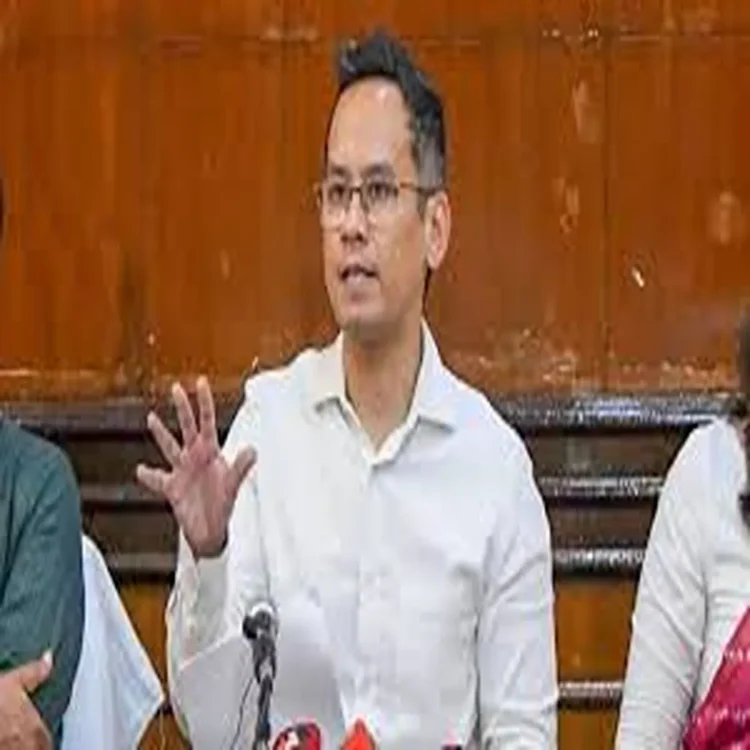
Responding to the reports, Gaurav Gogoi, who serves as the Deputy Leader of the Opposition in the Lok Sabha, said the episode was deeply unsettling. In a public statement shared on social media platform X, he asserted that no citizen should be made to feel like an outsider within their own country.
Gogoi emphasised that such incidents cannot be brushed aside as routine neighbourhood disagreements. He urged authorities to take immediate and firm action to ensure accountability. According to him, equal citizenship must go beyond constitutional guarantees and translate into equal dignity, security and protection in every part of India.
He further stressed that complaints of racial abuse demand serious attention, particularly when they involve individuals from regions that have historically faced stereotyping and marginalisation.
Concerns Over Persistent Prejudice
The alleged incident has once again sparked debate around discrimination faced by people from northeastern states in major cities, including Delhi. Civil society groups have often highlighted that residents from states such as Arunachal Pradesh, Manipur, Mizoram and Nagaland encounter racial slurs and social exclusion due to their distinct physical features and cultural backgrounds.
While several awareness campaigns and legal safeguards have been introduced over the years, critics argue that prejudice continues to surface in everyday interactions, especially in housing and workplace settings.
Community representatives say that swift legal intervention and consistent enforcement of anti-discrimination laws are essential to deter such behaviour. They also underline the importance of sensitisation programmes aimed at promoting inclusivity and respect for India’s diverse communities.
Police Response and Ongoing Probe
Delhi Police officials have confirmed that they received information about the dispute and are examining statements from both parties involved. Authorities are assessing whether the allegations amount to offences under provisions related to criminal intimidation and promoting enmity or discrimination.
Officials have assured that appropriate action will follow based on the findings of the investigation. At the same time, they have reiterated their commitment to maintaining law and order and ensuring that residents feel safe regardless of their regional background.
The development has renewed calls for stronger mechanisms to address complaints of racial harassment swiftly. Lawmakers and rights advocates alike have pointed out that visible and timely action in such cases plays a crucial role in restoring public confidence.
As the inquiry progresses, attention remains focused on whether the case will lead to further measures aimed at safeguarding individuals from discriminatory conduct in urban centres.