
MetroInfrastructure – Delhi Metro Plans Aluminium Cable Shift to Curb Thefts
MetroInfrastructure – Delhi Metro is preparing for a large-scale upgrade of its electrical network after a surge in cable theft incidents disrupted train services across several routes. The Delhi Metro Rail Corporation has decided to replace high-value copper power cables with aluminium alternatives across a substantial stretch of its system in an effort to prevent further losses and strengthen operational stability.
Large-Scale Replacement Across 175 Kilometres
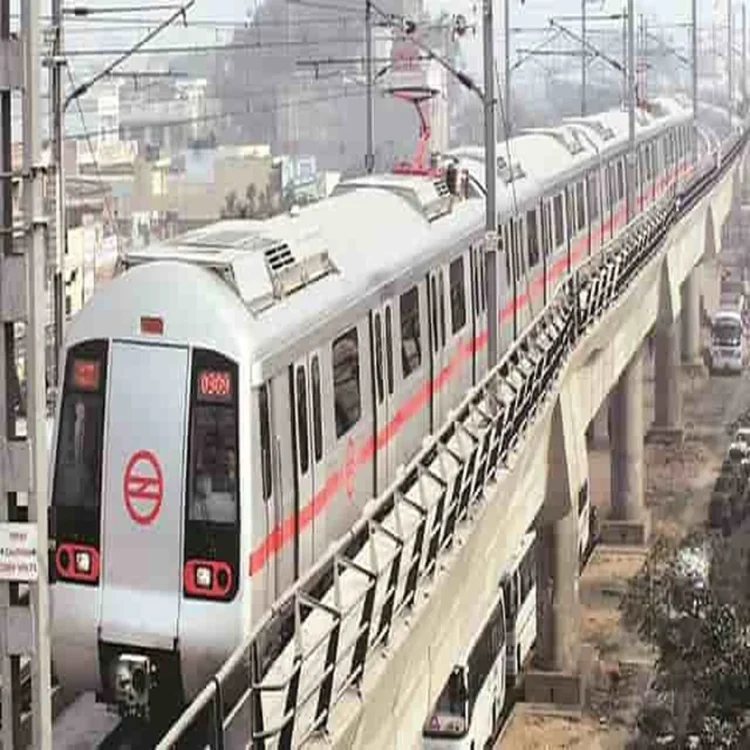
Under the new plan, the Delhi Metro Rail Corporation will substitute 33-kilovolt copper cables with aluminium wiring along nearly 175 kilometres of metro corridors. The project, estimated to cost Rs 32.59 crore, is expected to be completed within 18 months.
Officials confirmed that the copper cables currently installed along metro viaducts will be dismantled and replaced with aluminium cables arranged in a trefoil configuration. This formation is commonly used in high-voltage systems to improve efficiency and reduce electromagnetic interference.
The move follows repeated thefts targeting copper wiring, which commands a higher price in scrap markets. By opting for aluminium, which has comparatively low resale value, authorities hope to reduce the incentive for theft.
Vulnerable Stretches Identified for Immediate Action
The upgrade will prioritise sections that have recorded frequent disruptions. Among the most sensitive areas are parts of the Yamuna Bank corridor running near the riverbed, the Airport Express Line, and segments of the Pink Line near Seelampur and Welcome stations.
According to officials, these stretches have experienced repeated cable theft incidents that forced temporary service adjustments and caused inconvenience to commuters. The decision to begin work in these zones aims to ensure that critical corridors remain functional during peak travel hours.
Rising Theft Cases Disrupt Services
Data released by the corporation shows a notable increase in such cases. In 2025 alone, 89 cable theft incidents were recorded. Of these, 32 involved signalling cables, while 22 related to electrical wiring systems.
One of the most serious disruptions occurred in March last year between Seelampur and Welcome stations. The theft of signalling cables significantly affected train movement. As a precaution, trains between Mansarovar Park and Seelampur were restricted to a speed of 25 kmph. The slowdown led to delays cascading across the Red Line, impacting passengers throughout the day.
A more recent incident on January 11 involved the cutting of nearly 800 metres of signalling cable on the Airport Express Line between Dhaula Kuan and Shivaji Stadium. Trains moving towards New Delhi operated at reduced speeds on the up line, leading to delays. During inspection, the severed cable pieces were discovered near metro pillar number 9.
Operational Challenges and Safety Concerns
In its official statement, the Delhi Metro Rail Corporation highlighted the scale of its cable network, which runs across elevated viaducts and underground tunnels. These cables are essential for traction power, signalling systems, telecommunications, and other operational functions.
Damage to this infrastructure can lead to slower train speeds, scheduling disruptions, and potential safety concerns. Repairing cables during operational hours presents additional challenges, as trains typically run at intervals of three to five minutes, leaving limited windows for maintenance work.
Previous Measures Yield Limited Results
Over the past year, the corporation implemented several preventive steps to safeguard its infrastructure. These included cementing cables in exposed areas, installing anti-theft clamps, placing concertina coils around vulnerable spots, covering cable trays, and exploring drone and CCTV surveillance.
Despite these efforts, theft incidents persisted. Officials believe that transitioning to aluminium wiring could provide a more sustainable solution by lowering the financial incentive for criminal activity.
The infrastructure overhaul marks one of the most extensive power system modifications undertaken by the Delhi Metro in recent years. Authorities expect the initiative to enhance service reliability, reduce unexpected slowdowns, and improve commuter confidence in the network’s operational resilience.