
Nutrition – Daliya Challenges Oats in Healthy Breakfast Debate
Nutrition – A fresh debate in the world of healthy eating has put two familiar grains under the spotlight: oats and daliya. While oats have enjoyed years of popularity across social media and urban kitchens, nutritionist Saloni recently sparked conversation by suggesting that broken wheat, commonly known as daliya, may be just as beneficial — and far more economical.
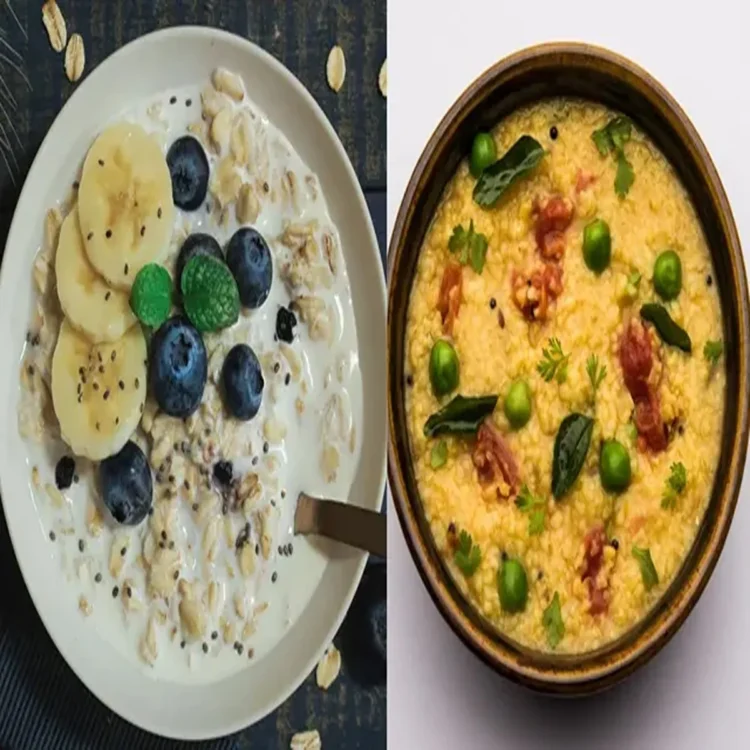
Her comparison, shared in a recent video, examined the nutritional profile and cost of both grains, prompting many to reconsider what truly makes a wholesome morning meal.
Understanding the Nutritional Breakdown
Saloni’s analysis focused on the values per 100 grams of each grain. When it comes to protein, oats contain approximately 13 grams, while daliya offers about 12 grams. The marginal difference indicates that both options contribute similarly to daily protein intake.
Fibre content also appears comparable. Oats provide around 10 grams of fibre per 100 grams, while daliya ranges between 10 and 12 grams. Fibre plays a key role in digestive health and helps regulate blood sugar levels, making both grains suitable for sustained energy release.
A clearer distinction emerges in fat content. Oats contain roughly 7 grams of fat, whereas daliya contains only 1 to 2 grams. Although the fats in oats are largely considered healthy, daliya’s lower fat content may appeal to those monitoring their intake.
Calorie counts are also close, though daliya is slightly lower. Oats contain around 380 calories per 100 grams, compared to about 350 calories in daliya.
Price Difference Draws Attention
Beyond nutrition, cost has become a central part of the discussion. According to the comparison, oats typically retail between Rs 150 and Rs 200 per kilogram. In contrast, daliya is generally priced between Rs 70 and Rs 80 per kilogram.
This noticeable gap has led some to question whether marketing trends have influenced consumer perception. Oats, often promoted as a premium health food, have become a staple in smoothie bowls, overnight jars and protein-based breakfast recipes. Meanwhile, daliya has remained a traditional pantry item in many households.
Tradition Versus Trend
Oats are widely recognised for containing beta-glucan, a soluble fibre linked to improved heart health and cholesterol management. Their convenience and adaptability have contributed to their popularity in modern diets.
However, daliya is also a whole grain, rich in complex carbohydrates, plant-based protein and dietary fibre. It is minimally processed and has been part of home-cooked meals for generations. Many families have relied on it as a nourishing and affordable breakfast option.
The discussion highlights an important reminder: no single grain determines overall health. Dietary patterns, portion sizes and lifestyle habits play a far greater role in long-term wellbeing.
Making the Right Choice for You
For individuals who enjoy oats, there is no reason to eliminate them from a balanced diet. They remain a nutritious breakfast choice. Likewise, those who prefer daliya can confidently include it in their meals without feeling they are compromising on health benefits.
Experts generally agree that the quality of the overall diet matters more than the choice between two whole grains. Pairing breakfast with adequate protein, healthy fats and seasonal fruits or vegetables can improve nutritional value regardless of the base ingredient.
Lifestyle factors such as physical activity, sleep and the consumption of highly processed foods also influence health outcomes far more significantly than the selection of oats or daliya alone.
Rethinking the Idea of “Superfoods”
The renewed interest in comparing these grains also reflects a broader trend in food culture. Imported or globally marketed foods often receive elevated status, while traditional staples may be overlooked.
Nutrition science consistently supports the value of whole, minimally processed foods. Whether sourced locally or internationally, such foods contribute to balanced eating patterns. The debate between oats and daliya underscores the importance of making informed, practical choices rather than following trends.
Ultimately, both grains offer meaningful nutritional benefits. The better option may simply be the one that fits personal taste, budget and routine. Sustainable health is built on consistent habits, not on a single ingredient in a breakfast bowl.